

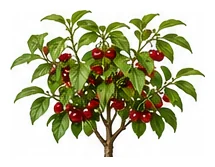
Whole plant
Overall shape, height, branching and growth habit.
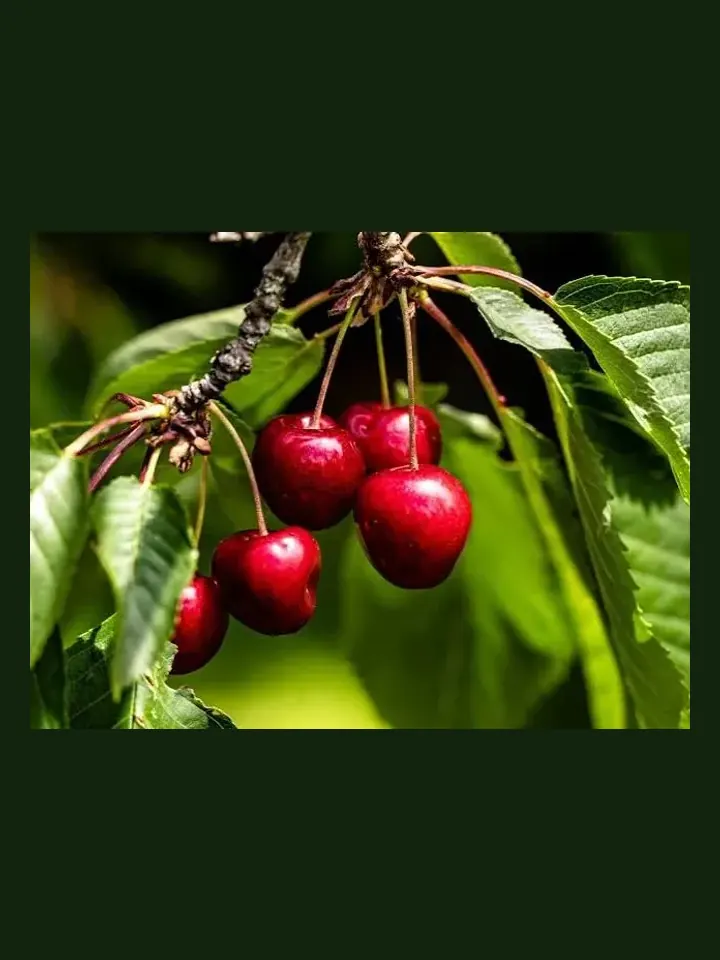
Stone fruit tree loved in cool temperate gardens. Most sweet cherries need winter chill and a pollination partner.
Use this real-world photo as the main plant reference, then compare it with the botanical drawings below for leaf, flower and harvest details.
Use these windows as a public guide. Plotera can personalise tasks around your saved garden, location and planting dates.
| Climate | Sow | Transplant / Plant | Harvest |
|---|---|---|---|
| Tropical | From transplant | Jan - Dec | Jan - Dec |
| Subtropical | From transplant | Mar - Sep | Jan - Dec |
| Mediterranean | From transplant | Mar - May | Jun - Nov |
| Temperate | From transplant | Mar - May | Jun - Oct |
| Cool | From transplant | Mar - May | Jul - Oct |
| Arid | From transplant | Mar - May | Jun - Nov |
Compare the whole plant first, then check the leaf, flower and harvest detail to identify what Cherry should look like as it grows.
Overall shape, height, branching and growth habit.
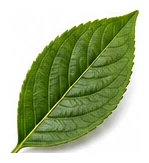
Leaf shape, edges, colour and vein pattern.
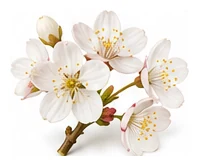
Flower colour, structure and where blooms appear.
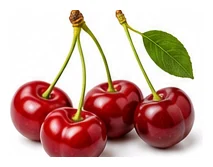
Fruit, root, seed, pod or the strongest identifying feature.
A quick garden-to-table guide for using Cherry after harvest.
Use fresh where appropriate, especially tender young leaves, flowers, or ripe edible parts.
Cook according to the edible part: steam greens, roast roots, stew fruit, or use aromatics for flavour.
Jam, preserve, dehydrate, freeze, juice, or make chutney.
Try: Fresh slices, Baked dessert, Chutney, Preserve.
Chives, Yarrow, Lavender
No avoid list yet.
Net fruit against birds and select varieties matched to local chill hours.
Create a free account to save your garden layout, personal planting calendar, water and fertiliser schedules, seed inventory and harvest logs.
Create Free Account