

Use a finger, not a calendar
Push a finger a few centimetres into the soil. Damp below the surface means wait. Dry means water. Surface appearance is misleading, especially after light rain or on mulched beds.
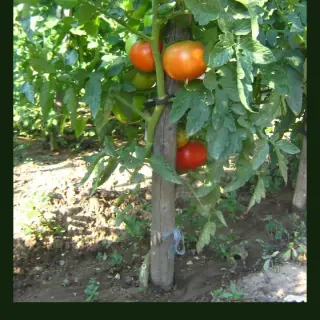
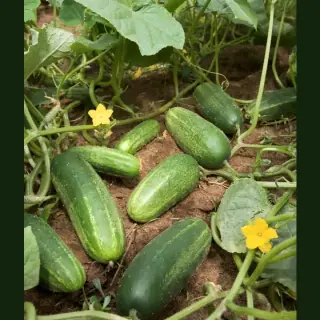
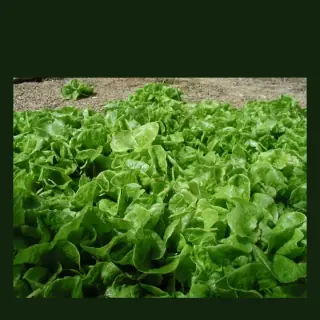
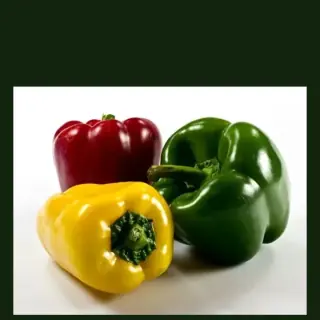
Watering is where most avoidable garden problems begin, and usually not through drought. Split tomatoes, bolted lettuce, bitter cucumbers, blossom drop and yellow leaves are frequently symptoms of irregular watering rather than too little.
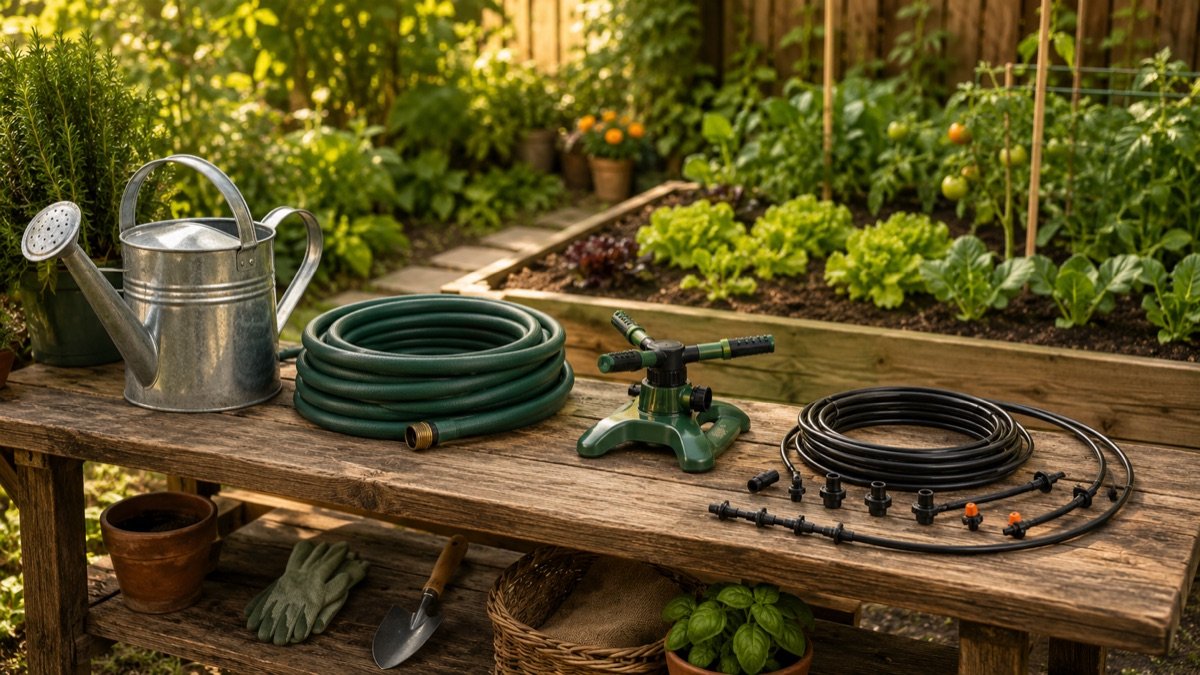
Plants adjust to the conditions they are given. A crop watered moderately but regularly grows steadily; the same crop swinging between dry and saturated puts on growth in bursts, and that is what causes splitting, bolting and dropped flowers.
This is why a fixed watering habit outperforms a carefully calculated amount applied whenever you remember. The schedule matters more than the millimetres, especially once weather, mulch, pot size and plant stage start changing together.
These tell you quickly when watering is irregular.
Push a finger a few centimetres into the soil. Damp below the surface means wait. Dry means water. Surface appearance is misleading, especially after light rain or on mulched beds.
Wet foliage overnight invites fungal problems, and water on leaves does not reach roots. Aim at the base of the plant, and water in the morning where you can so any splash dries.
Frequent shallow watering encourages shallow roots that dry out fast. Less often but more thoroughly pushes roots down, where soil stays damp longer.
Wilting in the afternoon that recovers overnight, small tough leaves, bitter salad crops, early bolting, and fruit that stops swelling.
Yellowing lower leaves, soft rot at the base, fungal spotting, and roots that stay shallow because they never need to go deeper.
Split tomatoes and root crops, dropped flowers, and growth that comes in bursts. This pattern is often mistaken for underwatering.
Pick a planted zone or crop and Plotera uses the crop type, stage, soil and weather context to suggest a sensible watering plan.
Beds with different needs can have different schedules, so seedlings, leafy crops and fruiting crops are not all treated the same.
Weather forecasts, rain alerts and daily garden advice help you adjust instead of blindly watering because the calendar says so.
Plotera links watering recommendations, zone schedules and the calendar so watering is easier to act on.
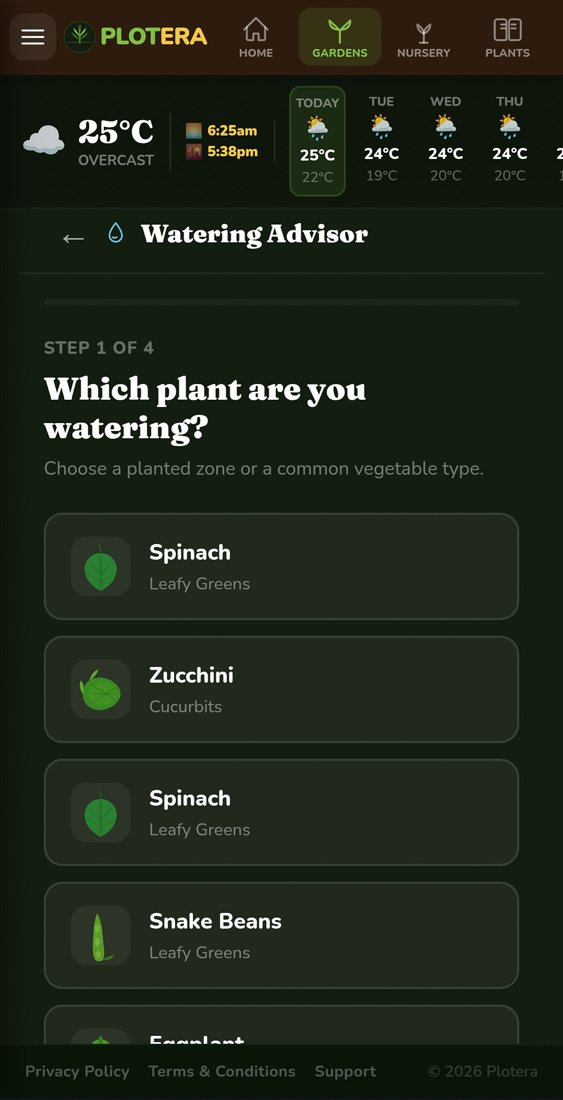
Use crop and garden context to create a practical watering plan.
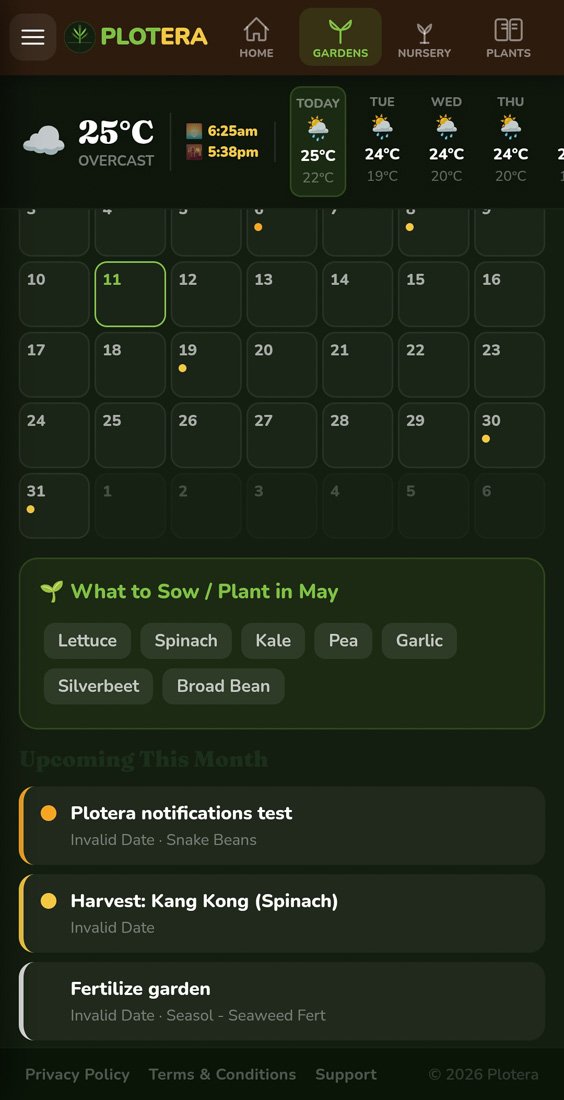
Keep watering jobs visible alongside the rest of the garden schedule.
Which crops share a bed affects how easy watering is — see the companion planting guide.
Watering needs vary considerably between crops. Every entry in the plant encyclopedia records its requirements.
Pots and small beds need more frequent attention than ground beds — see the small space guide.
It depends on weather, soil and crop rather than a fixed interval. Check the soil a few centimetres down and water when it is dry at that depth. In hot weather that may be daily; in mild weather every few days.
Morning is generally preferred, because foliage dries during the day, which reduces fungal risk. Evening watering is better than not watering at all, particularly in extreme heat.
Splitting is usually caused by a sudden influx of water after a dry period, which makes the fruit swell faster than the skin can stretch. More consistent watering, helped by mulch, is the usual fix.
Not necessarily. Daily shallow watering encourages shallow roots. Less frequent but deeper watering is generally better, except for containers and seedlings, which dry out much faster.
Yes, considerably more frequently. A container has a limited soil volume and dries from the sides as well as the top, so in hot weather it may need water daily or more.
Watering schedules can be set per zone and logged, so overdue beds are visible rather than remembered. Grouping crops with similar needs into one zone makes a single schedule workable.
Create a free account to save your garden layout, personal planting calendar, water and fertiliser schedules, seed inventory and harvest logs.
Create Free Account