




Features Guides Plant Encyclopedia Planting Calendar Pricing Demo About FAQ Contact Instagram Sign In
Companion Planting

Companion planting — which plants grow well together.

Companion planting is usually presented as a list of pairs to memorise. It is more useful to understand why a pairing helps, because that tells you what to do when your beds do not match the list.

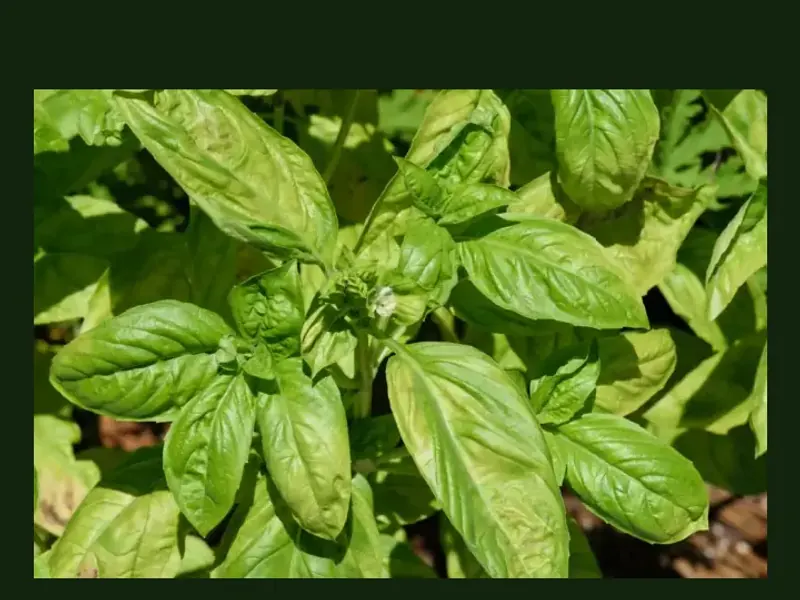
Basil growing in a home garden
Aromatic companions among vegetables
Why pairings work

Most useful companion pairings do one of four things. Some plants attract predatory insects that eat the pests of their neighbour. Some confuse pests that hunt by smell, which is why strongly aromatic herbs turn up on so many lists. Some occupy a different layer of the bed, so a tall crop shades a heat-sensitive one or a shallow-rooted crop sits above a deep-rooted one without competing. And some simply fit the same conditions, so they can share a bed without one being watered wrongly for the other.

The pairings to avoid tend to have equally practical reasons: two plants in the same family sharing a pest, two heavy feeders competing for the same nutrients, or a vigorous sprawler smothering something slower.

Classic companions

Frequently paired for scent, pollinators or spacing.

Companion pairings in the encyclopedia

The crops with the most recorded companions. Each row links through to the full plant guide, where spacing and sowing windows sit alongside the pairings.

CropGrows well nearKeep apart from
CabbageOnion, Garlic, Rosemary, Sage, Dill, Thyme, Celery, PotatoTomato, Strawberry, Grape
BeansCarrot, Lettuce, Spinach, Corn, Pumpkin, Cucumber, StrawberryOnion, Garlic, Fennel
BroccoliOnion, Garlic, Potato, Rosemary, Sage, Thyme, DillTomato, Pole Bean, Strawberry
Brussels SproutsOnion, Garlic, Rosemary, Sage, Thyme, DillTomato, Strawberry, Pole Bean
CarrotTomato, Onion, Lettuce, Rosemary, Chives, SageDill, Parsley
CauliflowerOnion, Garlic, Rosemary, Sage, Dill, CeleryTomato, Strawberry
CropGrows well nearKeep apart from
MarigoldTomato, Capsicum, Eggplant, Cucumber, Squash, BeansNothing recorded
NasturtiumTomato, Cucumber, Pumpkin, Zucchini, Beans, BrassicasNothing recorded
StrawberrySpinach, Lettuce, Beans, Borage, Onion, GarlicCabbage, Fennel, Broccoli
TomatoBasil, Carrot, Marigold, Nasturtium, Parsley, ChivesFennel, Potato, Kale
Cherry TomatoBasil, Carrot, Marigold, Nasturtium, Parsley, ChivesFennel, Potato, Kale
Roma TomatoBasil, Carrot, Marigold, Nasturtium, Parsley, ChivesFennel, Potato, Kale

Companion planting is guidance, not a rule. Local conditions, bed size and what you actually want to eat all matter more than following a pairing exactly.

Most commonly avoided neighbours

The crops that appear most often on other plants' avoid lists. These are worth knowing because a single misplaced plant can affect several neighbours.

Making it work in a real bed

Spacing beats pairing

A good pairing planted too close is worse than a mediocre pairing with room to breathe. Airflow between plants is one of the simplest ways to reduce fungal problems, so check the spacing figure on each plant guide before deciding how many companions fit.

Think in layers

Height matters as much as position. A tall crop on the sun-facing side of a bed will shade everything behind it, which ruins some neighbours and rescues others in hot weather. Each plant guide records a typical height.

Group by watering need

Two plants that get on well but want very different amounts of water are awkward in one zone, because whatever schedule you set is wrong for one of them. Grouping by water need often matters more day to day than the pairing itself.

A workable approach

Start with what you eatChoose your crops first. Companion planting arranges the garden you want, it does not decide it.
Group by conditionsSort them by sun and water needs, so each bed can be managed on one schedule.
Check the avoid listsLook for same-family clashes and known conflicts before finalising positions.
Place by heightTall crops where they will not shade something that needs the light.
Leave the spacingRespect the spacing figures even if it means fewer plants. Crowding undoes the benefit.

Rotation is the other half

Companions are about what sits beside what. Rotation is about what follows what, season to season — see the crop rotation guide.

Record what actually happened

Pairings behave differently in different gardens. Noting what worked in your beds is worth more than any general list, which is what the garden grid is for.

FAQ

Common questions from home gardeners.

Does companion planting actually work?

Some mechanisms are well established, such as aromatic plants disrupting pests that hunt by smell, and flowers drawing in predatory insects. Others are traditional advice with thinner evidence. Treating it as a sensible way to arrange a bed rather than a set of guaranteed rules is the practical approach.

What is the single most useful pairing to know?

Rather than one pairing, the most useful habit is keeping plants from the same family apart, since they share pests and diseases. That single rule prevents more problems than any individual good pairing creates.

Can I plant companions in the same hole or zone?

They need their own space. Companion planting means nearby, not on top of each other. Check the spacing figure for each crop and treat that as the minimum.

Do herbs and flowers count?

Yes, and they are among the most useful additions. Many appear on companion lists because they attract beneficial insects or mask the scent of a crop. The encyclopedia includes herbs and flowers alongside vegetables for this reason.

How does Plotera help?

Zones on the garden grid record what is planted where, so you can see which crops are actually adjacent rather than guessing from a plan on paper. Plant guides surface companion and avoid data as you assign crops.

Turn garden notes into a living plan.

Create a free account to save your garden layout, personal planting calendar, water and fertiliser schedules, seed inventory and harvest logs.

Create Free Account
Get it onGoogle Play
Use Plotera like an app from your home screen.

Get Plotera on Google Play

Open Plotera on Google Play.
Tap Install to add the Android app.
Sign in or create your free Plotera account.
Open Google Play
Plotera is available on Google Play for Android devices.

Add to iPhone

Open plotera.app in Safari on your iPhone.
Tap the Share button at the bottom of Safari.
Choose Add to Home Screen, then tap Add.
Use Safari for the best install experience on iPhone.