




Rotation needs a memory
The reason rotation gets skipped is not disagreement with the idea, it is not remembering what a bed held eighteen months ago. Written-down history is the whole trick.
Rotation is one of the few gardening habits that costs nothing and pays off every season. The idea is simple: do not grow the same plant family in the same bed twice in a row. The hard part is remembering what was there.
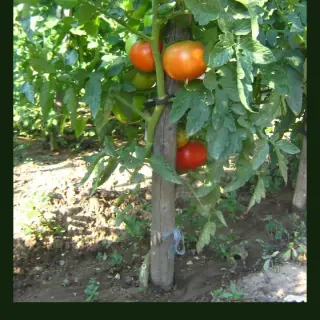
Plants in the same family share pests, diseases and appetites. Tomatoes, potatoes, capsicum and eggplant are all solanums, so a soil problem that affects one will usually affect the next. Rotating means the pest or disease that built up last season finds nothing it recognises this season, and the bed gets a break from the same nutrient demand.
Legumes are the useful exception worth planning around: peas and beans fix nitrogen, which is why so many families below list them as a good thing to follow.
A typical rotation order through a bed.
Generated from the plants in the encyclopedia. "Follow with" and "Avoid following with" show the most common recommendations across every plant in that family, so a family with few entries will have thinner guidance.
| Family | Plants | Follow with | Avoid following with |
|---|---|---|---|
| Flowers Agastache, Ageratum, Alyssum, Aster, Annual +35 more | 39 | None recorded | None recorded |
| Fruits Apple, Apricot, Avocado, Banana +29 more | 33 | Legumes | Solanums |
| Herbs Aloe Vera, Angelica, Basil, Bay Laurel +28 more | 32 | None recorded | None recorded |
| Brassicas Bok Choy, Broccoli, Brussels Sprouts, Cabbage +16 more | 20 | Legumes, Alliums | Brassicas |
| Other Artichoke, Asparagus, Bamboo, Celeriac +10 more | 14 | Legumes | Other |
| Legumes Bean, Adzuki, Bean, Snake, Beans, Broad Bean +9 more | 13 | Brassicas, Solanums | Legumes |
| Family | Plants | Follow with | Avoid following with |
|---|---|---|---|
| Roots Beetroot, Carrot, Cassava, Galangal +9 more | 13 | Legumes, Alliums | Roots, Leafy Greens |
| Leafy Greens Amaranth, Celtuce, Escarole, Joseph's Coat Amaranth +7 more | 11 | Legumes, Roots | Leafy Greens, Roots, Brassicas |
| Citrus Blood Orange, Finger Lime, Grapefruit, Kumquat +7 more | 11 | None recorded | None recorded |
| Cucurbits Bitter Melon, Cucumber, Honeydew Melon, Luffa +6 more | 10 | Legumes, Alliums | Cucurbits |
| Solanums Capsicum, Chilli Pepper, Eggplant, Jalapeño +6 more | 10 | Legumes, Alliums | Solanums, Brassicas |
| Alliums Chives, Garlic, Leek, Onion +4 more | 8 | Legumes, Brassicas | Alliums |
| Grains Barley, Chia, Corn, Rye +1 more | 5 | Legumes | Grains |
Perennial groups such as fruits, citrus and many herbs appear here for completeness, but rotation applies mainly to annual crops that are lifted at the end of a season.
Four beds is the textbook version. With two beds, alternating hungry crops with legumes still helps. With one bed, changing family each season is better than nothing.
The reason rotation gets skipped is not disagreement with the idea, it is not remembering what a bed held eighteen months ago. Written-down history is the whole trick.
Rotation is about time, companion planting is about space. They work on the same beds from different angles — see the companion planting guide.
Each entry in the plant encyclopedia lists its rotation family alongside spacing and sowing windows.
Plants in the same family tend to share the same pests, diseases and nutrient demands. Growing them in the same bed season after season gives those problems somewhere to build up, and draws the same nutrients from the same soil. Moving families around breaks that cycle.
A common rule of thumb is three to four seasons before the same family returns to a bed, though home gardens with limited space often work on a shorter cycle. Even a single season of something different helps compared with planting the same crop again.
It matters less in containers where you can replace the growing medium, and more in permanent raised beds where the soil stays put. If a bed is fixed, treat it the same way you would treat ground soil.
Perennials, fruit trees and berries stay where they are, so rotation does not apply to them in the same way. Rotation planning is mainly about annual vegetables that come out at the end of a season.
Your garden grid records what grew in each zone and when. That history is what makes rotation planning practical, because next season you can see what a bed held last time instead of trying to remember.
Create a free account to save your garden layout, personal planting calendar, water and fertiliser schedules, seed inventory and harvest logs.
Create Free Account