

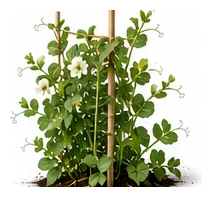
Whole plant
Overall shape, height, branching and growth habit.
Cool-season climber producing sweet pods. Unlike beans, peas prefer cooler weather and can tolerate light frost. One of the first crops you can sow in spring.
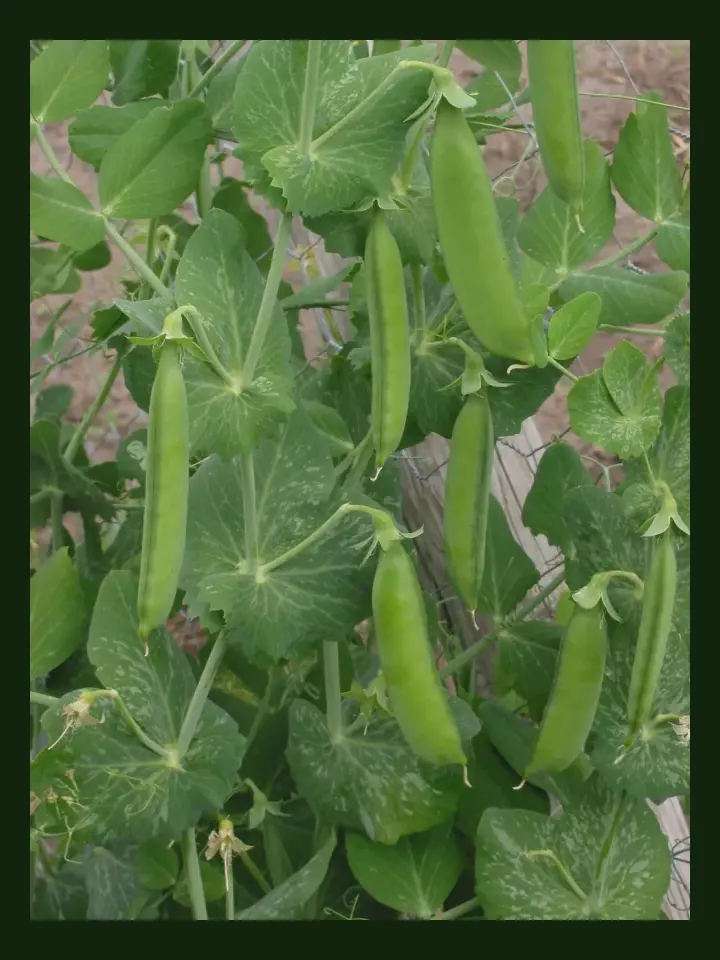
Use this real-world photo as the main plant reference, then compare it with the botanical drawings below for leaf, flower and harvest details.
Use these windows as a public guide. Plotera can personalise tasks around your saved garden, location and planting dates.
| Climate | Sow | Transplant / Plant | Harvest |
|---|---|---|---|
| Tropical | Apr - Jul | Apr - Jul | Jun - Sep |
| Subtropical | Mar - Jul | Mar - Jul | May - Sep |
| Mediterranean | Mar - Jun | Mar - Jun | May - Aug |
| Temperate | Feb - May | Feb - May | Apr - Jul |
| Cool | Feb - May | Feb - May | Apr - Jul |
| Arid | Mar - Jun | Mar - Jun | May - Aug |
Compare the whole plant first, then check the leaf, flower and harvest detail to identify what Peas should look like as it grows.
Overall shape, height, branching and growth habit.
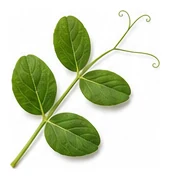
Leaf shape, edges, colour and vein pattern.
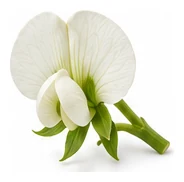
Flower colour, structure and where blooms appear.
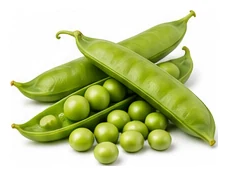
Fruit, root, seed, pod or the strongest identifying feature.
A quick garden-to-table guide for using Peas after harvest.
Eat only varieties known to be safe raw, such as snow peas or young garden peas; most beans should be cooked.
Steam, stir-fry, shell, simmer, dry, or cook into soups, curries, stews and side dishes.
Freeze young pods, dry mature seeds, or pickle suitable young pods.
Try: Steamed pods, Stir-fry, Bean soup, Dried pantry beans.
Carrot, Lettuce, Spinach, Corn, Mint
Onion, Garlic
Pick regularly as leaving pods on the vine slows further production.
Create a free account to save your garden layout, personal planting calendar, water and fertiliser schedules, seed inventory and harvest logs.
Create Free Account