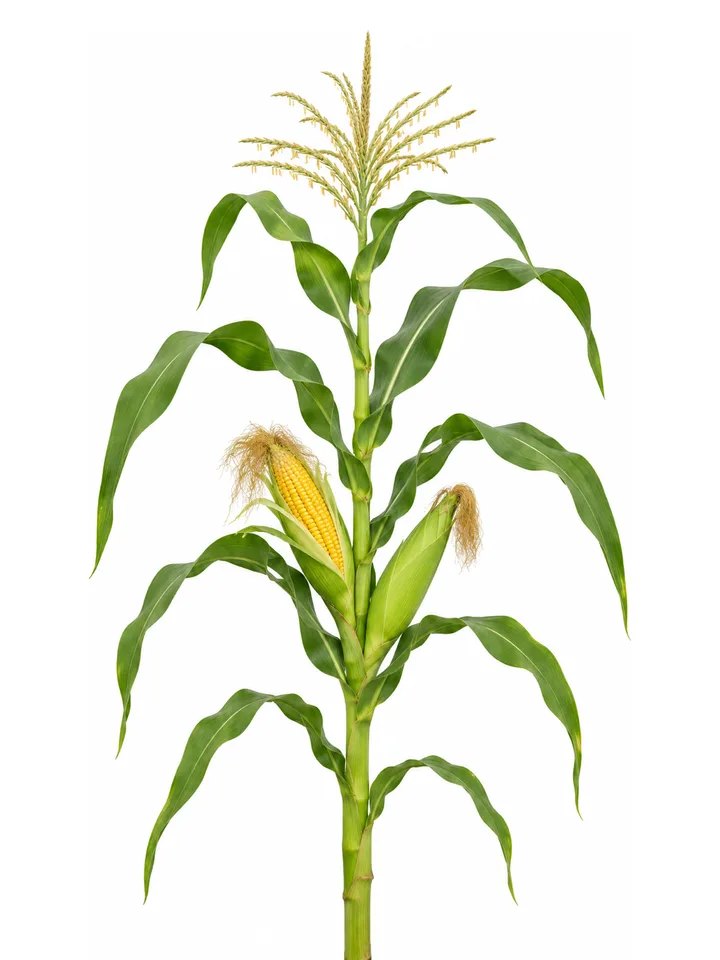
Whole plant
Overall shape, height, branching and growth habit.
Zea mays
Tall annual grass producing sweet kernels. Wind-pollinated so needs to be planted in blocks rather than rows to ensure good pollination.
When to sow, plant out and harvest in each climate. Plotera turns this into reminders for your own garden, location and planting dates.
| Climate | Sow | Transplant / Plant | Harvest |
|---|---|---|---|
| Tropical | Jan - Dec | Jan - Dec | Jan - Dec |
| Subtropical | Aug - Dec | Aug - Dec | Oct - Feb |
| Mediterranean | Sep - Nov | Sep - Nov | Nov - Feb |
| Temperate | Oct - Dec | Oct - Dec | Dec - Mar |
| Cool | Nov - Dec | Nov - Dec | Jan - Mar |
| Arid | Aug - Nov | Aug - Nov | Oct - Jan |
Sweet corn is a frost-tender annual grass grown for ears harvested while the kernels are still soft and milky. It rewards gardeners with especially fresh flavour, but needs a sunny space large enough for a group of plants. A compact block gives airborne pollen a better chance of reaching the silks than a single long row. Each silk serves an individual kernel, so incomplete pollination leaves gaps in an ear. Varieties differ in maturity, sweetness, texture and how quickly quality declines after picking. Some genetic types must be separated from other corn flowering at the same time to preserve eating quality. Warm soil helps seeds establish, while steady moisture is particularly important during flowering and ear development. Expect a relatively brief picking window, and refrigerate harvested ears promptly if they are not eaten immediately.
Use fertile, well-drained soil enriched with mature compost, at pH 5.8–7.0. Ground or broad beds suit the necessary planting block; allow extra attention to watering on sandy soil.
Male flowers form the tassel; female flowers form ears with silks. Plants can use their own pollen, but wind-carried pollen between plants improves kernel set. Grow at least four short rows; a 4 × 4 block is a useful small layout. Keep incompatible sweetness types from flowering together.
Leave side shoots attached; removing them does not improve yield. In exposed gardens, support the block with stakes and perimeter strings to reduce wind damage.
Grow from seed, normally sown directly. Saved hybrid seed will not reliably reproduce the original crop, and seed saving requires isolation from other flowering corn.
Not well suited to ordinary pots. A ground bed is more practical for the root space, moisture supply and group planting needed for reliable ears.
Choose early types for short seasons, standard sugary types for traditional flavour, sugary-enhanced types for tenderness, or supersweet types for longer sweetness retention. Check isolation requirements before combining types.
Ears have missing kernels or unfilled tips. Plant a substantial block and prevent drought during tasselling and silking.
Swollen galls form on ears, stems or tassels and later release dark spores. Remove galls before they burst and take them out of the garden.
Orange powdery pustules appear on leaves. Choose resistant varieties, particularly where rust regularly reduces plant vigour.
Seeds disappear or emerging seedlings are pulled out. Use a securely fitted temporary cover until seedlings emerge, then remove it as plants grow.
Choose locally adapted varieties and a season with reliable moisture. Keep plants well supplied with water during flowering.
Sow during warm, frost-free conditions and avoid a dry spell during silking and ear development.
Warm summers suit growth, but flowering and ear filling usually need irrigation when rainfall stops.
Wait for warm soil after frost. Stagger sowing or use different maturity lengths for a longer harvest.
Choose early-maturing types and sow only after soil warms sufficiently; cold, wet soil increases establishment failures.
Provide deep, regular irrigation and shelter from damaging winds. Drought during silking can sharply reduce kernel set.
Overall shape, height, branching and growth habit.
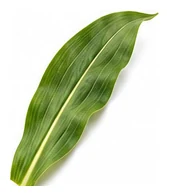
Leaf shape, edges, colour and vein pattern.
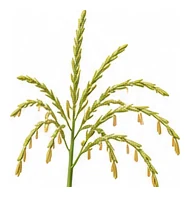
Flower colour, structure and where blooms appear.
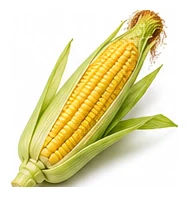
Fruit, root, seed, pod or the strongest identifying feature.
A quick garden-to-table guide for using Corn after harvest.
Use freshly picked, tender kernels for their crisp texture, removing husks and silks and washing before preparation.
Boil, steam, grill or microwave ears until tender, or cut kernels from the cob for cooked dishes.
Blanch before freezing, using the appropriate method for whole ears or kernels. Use a tested pressure-canning process if canning.
Try: Grilled corn, Corn fritters, Chowder, Fresh corn salsa.
Create a free account to save your garden layout, personal planting calendar, water and fertiliser schedules, seed inventory and harvest logs.
Create Free Account