

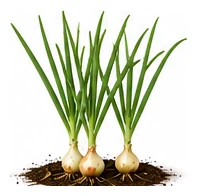
Whole plant
Overall shape, height, branching and growth habit.
A kitchen staple grown from seeds or sets (small bulbs). Long-day varieties suit temperate climates; short-day varieties suit tropical and subtropical zones.
Use this real-world photo as the main plant reference, then compare it with the botanical drawings below for leaf, flower and harvest details.
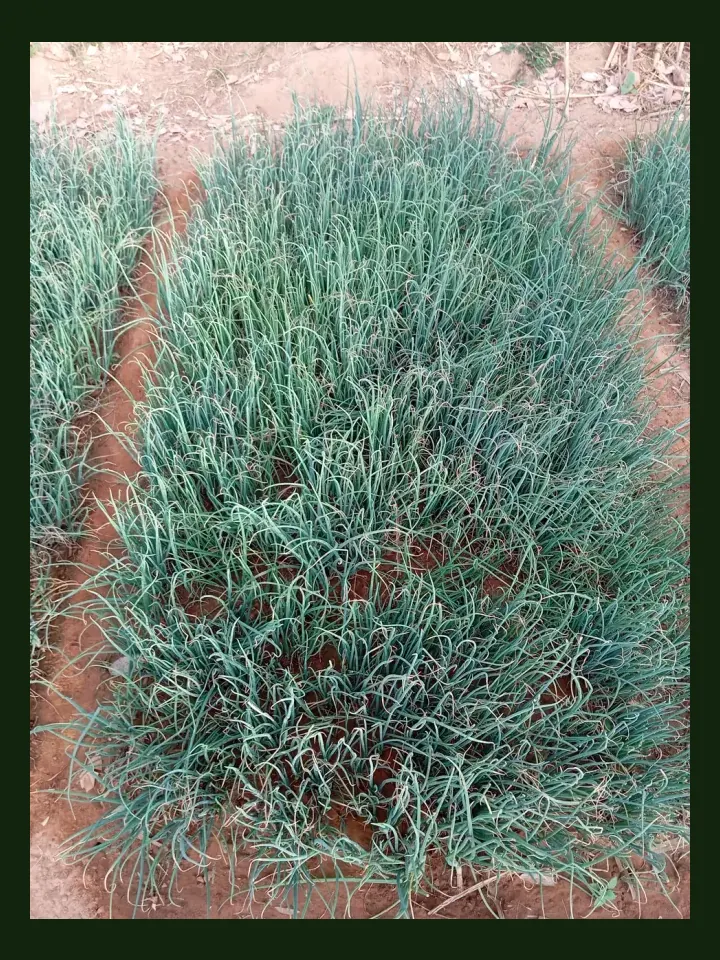
Use these windows as a public guide. Plotera can personalise tasks around your saved garden, location and planting dates.
| Climate | Sow | Transplant / Plant | Harvest |
|---|---|---|---|
| Tropical | Apr - Jul | Apr - Jul | Jul - Oct |
| Subtropical | Mar - Jul | Mar - Jul | Jun - Oct |
| Mediterranean | Feb - Jun | Feb - Jun | May - Sep |
| Temperate | Feb - Jun | Feb - Jun | May - Sep |
| Cool | Feb - May | Feb - May | May - Aug |
| Arid | Mar - Jun | Mar - Jun | Jun - Sep |
Compare the whole plant first, then check the leaf, flower and harvest detail to identify what Onion should look like as it grows.
Overall shape, height, branching and growth habit.
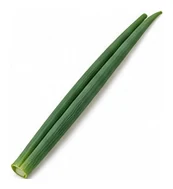
Leaf shape, edges, colour and vein pattern.
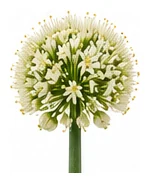
Flower colour, structure and where blooms appear.
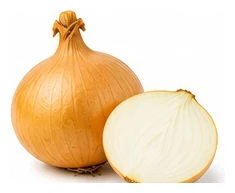
Fruit, root, seed, pod or the strongest identifying feature.
A quick garden-to-table guide for using Onion after harvest.
Slice thinly into salads, salsas, sandwiches, pickles, or fresh garnishes when the flavour suits.
Saute as a base for soups, sauces, curries and stews, roast whole, caramelise, grill, or bake.
Cure storage onions, pickle slices, dehydrate flakes, or freeze cooked onion bases.
Try: Caramelised onions, Pickled onions, Sofrito base, Roasted shallots.
Carrot, Lettuce, Tomato, Chamomile, Annual, Beet
Beans, Peas, Sage
Stop watering when tops start to fall over — this initiates bulb curing.
Create a free account to save your garden layout, personal planting calendar, water and fertiliser schedules, seed inventory and harvest logs.
Create Free Account