

Grow upwards
Climbing beans, peas, cucumbers and some tomatoes yield well per square metre on a trellis. Vertical growing is the single biggest gain available in a small space.
A small garden is not a scaled-down large one. Different constraints bind: spacing, height and how quickly containers dry out matter far more than total yield potential, and a crop that is ideal in a field can be a poor choice on a balcony.
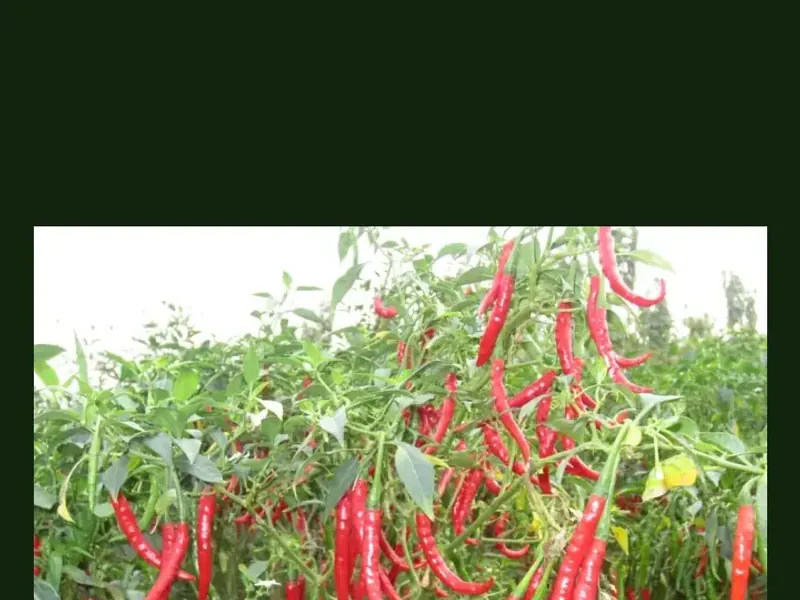
Space is the obvious constraint, but spacing is the binding one. Crowding plants to fit more in reduces airflow, increases fungal problems and leaves every plant competing, so a crowded small bed often yields less than a properly spaced one with fewer plants.
The second constraint is drying. Containers and shallow beds hold little water and dry from the sides as well as the top, so they need attention more often than a ground bed of the same area.
Crops that suit containers and tight beds.
Sorted by recommended spacing, with typical height alongside. These fit the most plants into a given area without crowding.
| Crop | Spacing | Typical height |
|---|---|---|
 Onion, Bunching Onion, Bunching | 3 cm | 40 cm |
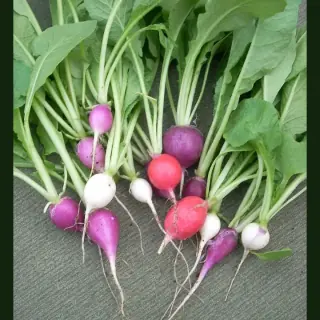
 Radish Radish | 3 cm | 20 cm |
 Spring Onion Spring Onion | 3 cm | 40 cm |
 Carrot Carrot | 5 cm | 30 cm |
 Coriander Coriander | 5 cm | 50 cm |
 Peas Peas | 5 cm | 120 cm |
| Crop | Spacing | Typical height |
|---|---|---|
 Snow Pea Snow Pea | 5 cm | 150 cm |
 Bean, Adzuki Bean, Adzuki | 10 cm | 50 cm |
 Beetroot Beetroot | 10 cm | 30 cm |
 Lentil Lentil | 10 cm | 40 cm |
 Onion Onion | 10 cm | 50 cm |
 Onion, Bulbing Onion, Bulbing | 10 cm | 50 cm |
Spacing is the minimum for healthy growth, not a target to squeeze below. Height matters too on a balcony, where a tall crop may shade everything behind it or catch wind.
Climbing beans, peas, cucumbers and some tomatoes yield well per square metre on a trellis. Vertical growing is the single biggest gain available in a small space.
Crops harvested repeatedly from one planting — leafy greens, many herbs — give far more over a season than crops pulled once, which matters most when you have few plants.
Fast crops such as radish and salad leaves finish before a slower neighbour needs the room, so they can occupy space that is not yet in use.
A larger container holds more water and swings less in temperature, so it is much less punishing about a missed watering than a small pot.
Standing water rots roots quickly in a container, where there is nowhere for excess to go. Drainage holes matter more than potting mix choice.
Replacing the growing medium sidesteps the pest and disease build-up that makes rotation necessary in fixed beds, which is one genuine advantage of containers.
Yield per square metre matters most when square metres are scarce — see the easy high-yield guide.
Succession sowing spreads a small bed's output over a longer period — see the succession sowing guide.
Small volumes of soil dry quickly and unevenly — see the watering guide.
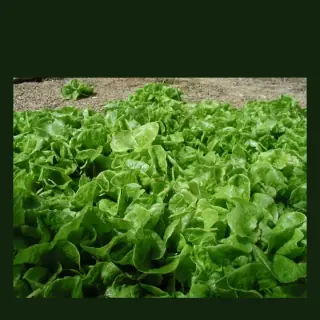
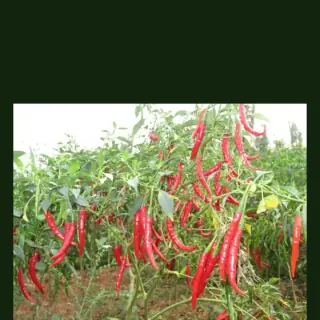
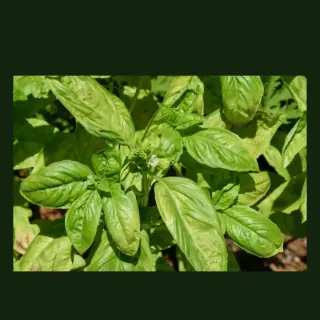
Salad leaves, herbs, radish, spring onions, bush beans, chillies and compact tomatoes all suit containers. The limits are usually sun hours and container size rather than the crop itself.
A couple of decent containers is enough to grow herbs and salad meaningfully. Whether a space is workable depends far more on sun hours than area.
It usually backfires. Crowding reduces airflow, encourages fungal problems and makes every plant compete, so a crowded bed often produces less than a properly spaced one with fewer plants.
Less so, because you can replace the growing medium between seasons, which removes the build-up that rotation is designed to avoid. In fixed raised beds rotation still applies.
Climbing beans, peas, cucumbers and vining tomatoes give the best return per square metre on a trellis. Each plant guide records typical height, which helps decide what needs support.
The garden grid can be shaped to a balcony or a single small bed, and spacing data from the plant guides shows how many plants genuinely fit before you commit.
Create a free account to save your garden layout, personal planting calendar, water and fertiliser schedules, seed inventory and harvest logs.
Create Free Account