

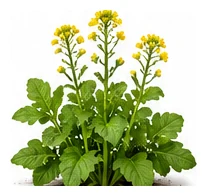
Whole plant
Overall shape, height, branching and growth habit.
Fast-growing leafy green with peppery flavour. Young leaves are mild; mature leaves are hot. Also grown as a green manure crop to suppress soil pests.
Use this real-world photo as the main plant reference, then compare it with the botanical drawings below for leaf, flower and harvest details.

Use these windows as a public guide. Plotera can personalise tasks around your saved garden, location and planting dates.
| Climate | Sow | Transplant / Plant | Harvest |
|---|---|---|---|
| Tropical | Apr - Aug | Apr - Aug | Apr - Sep |
| Subtropical | Feb - Aug | Feb - Aug | Mar - Sep |
| Mediterranean | Feb - Sep | Feb - Sep | Mar - Oct |
| Temperate | Feb - Sep | Feb - Sep | Mar - Oct |
| Cool | Feb - Aug | Feb - Aug | Mar - Sep |
| Arid | Mar - Aug | Mar - Aug | Apr - Sep |
Compare the whole plant first, then check the leaf, flower and harvest detail to identify what Mustard should look like as it grows.
Overall shape, height, branching and growth habit.
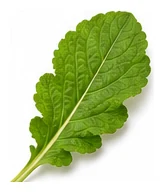
Leaf shape, edges, colour and vein pattern.
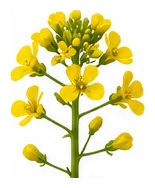
Flower colour, structure and where blooms appear.
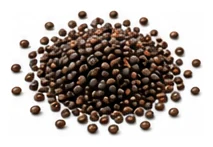
Fruit, root, seed, pod or the strongest identifying feature.
A quick garden-to-table guide for using Mustard after harvest.
Use tender leaves or shredded cabbage raw in slaws, salads, wraps, and quick pickles.
Steam, roast, stir-fry, braise, add to soups, gratins, curries, or tray bakes.
Ferment cabbage, pickle stems, blanch and freeze florets or sturdy greens.
Try: Slaw, Roasted brassicas, Stir-fry, Fermented cabbage.
Onion, Garlic
Tomato, Strawberry
Harvest young leaves for salads. Let mature for spicy cooking greens.
Create a free account to save your garden layout, personal planting calendar, water and fertiliser schedules, seed inventory and harvest logs.
Create Free Account