

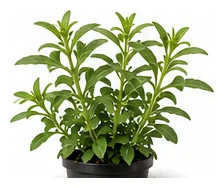
Whole plant
Overall shape, height, branching and growth habit.
Sweet-leaved herb used fresh or dried as a natural sweetener. Likes warmth and good drainage.
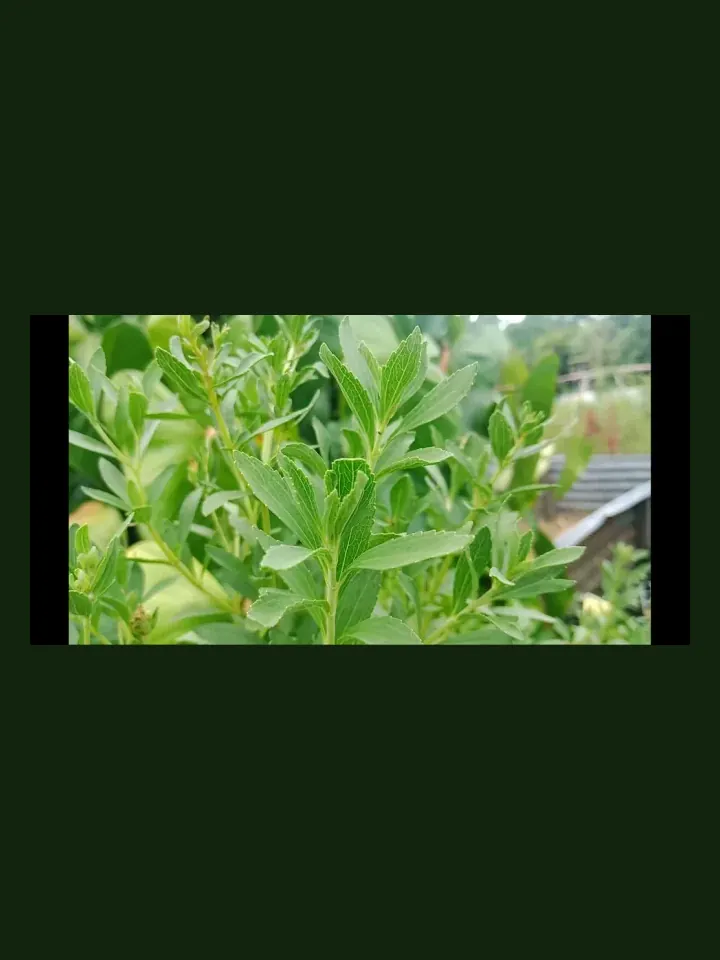
Use this real-world photo as the main plant reference, then compare it with the botanical drawings below for leaf, flower and harvest details.
Use these windows as a public guide. Plotera can personalise tasks around your saved garden, location and planting dates.
| Climate | Sow | Transplant / Plant | Harvest |
|---|---|---|---|
| Tropical | Jan - Dec | Jan - Dec | Jan - Dec |
| Subtropical | Mar - Oct | Mar - Oct | Jan - Dec |
| Mediterranean | Mar - Oct | Mar - Oct | Jan - Dec |
| Temperate | Feb - Apr | May - Jun | May - Oct |
| Cool | Mar - May | May - Jun | Jun - Sep |
| Arid | Mar - May | Apr - May | May - Oct |
Compare the whole plant first, then check the leaf, flower and harvest detail to identify what Stevia should look like as it grows.
Overall shape, height, branching and growth habit.
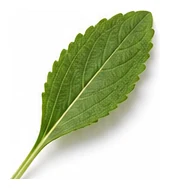
Leaf shape, edges, colour and vein pattern.
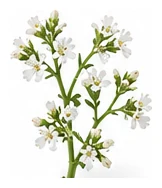
Flower colour, structure and where blooms appear.
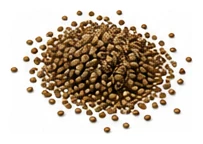
Fruit, root, seed, pod or the strongest identifying feature.
A quick garden-to-table guide for using Stevia after harvest.
Use fresh leaves raw as a garnish, in dressings, pestos, salads, teas, or stirred through food at the end.
Add to cooked dishes near the end for fresh flavour, or use woody herbs earlier in roasts, soups, and stews.
Dry, freeze, make herb oil, pesto, vinegar, or infused salt.
Try: Fresh garnish, Pesto or paste, Herb tea, Infused oil.
Basil, Lemon Balm
No avoid list yet.
Harvest before flowering for the sweetest leaves.
Create a free account to save your garden layout, personal planting calendar, water and fertiliser schedules, seed inventory and harvest logs.
Create Free Account