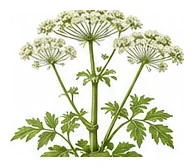
Whole plant
Overall shape, height, branching and growth habit.
Angelica archangelica
Tall biennial herb with aromatic stems, leaves and seeds. Architectural in herb and pollinator gardens.
When to sow, plant out and harvest in each climate. Plotera turns this into reminders for your own garden, location and planting dates.
| Climate | Sow | Transplant / Plant | Harvest |
|---|---|---|---|
| Tropical | Jan - Dec | Jan - Dec | Jan - Dec |
| Subtropical | Mar - Oct | Mar - Oct | Jan - Dec |
| Mediterranean | Mar - Oct | Mar - Oct | Jan - Dec |
| Temperate | Feb - Apr | May - Jun | May - Oct |
| Cool | Mar - May | May - Jun | Jun - Sep |
| Arid | Mar - May | Apr - May | May - Oct |
Garden angelica is a large aromatic herb grown for its impressive foliage, tall stems and rounded heads of greenish flowers. It usually forms a leafy plant first, flowers in a later season and dies after its seed ripens. Allowing a little self-seeding can maintain a continuing supply, although unwanted seedlings may need removal. Young tender stems are used in cooking and confectionery, and leaves and seeds also provide flavouring. Its size makes it better suited to the back of a generous herb border than a small pot. Unlike herbs that favour dry ground, angelica needs dependable moisture and performs best in moderately cool conditions. Give it deep soil and space to develop without repeated transplanting. Only eat plants you have grown from correctly labelled seed or stock: it resembles deadly carrot-family plants such as poison hemlock, so never eat wild-gathered lookalikes. Its sap can make skin burn and blister in sunlight, so wear gloves and long sleeves when cutting it and wash skin afterwards.
Choose deep, fertile, moisture-retentive loam, incorporating well-rotted organic matter. Aim for moist but well-drained conditions; pH around 6.0–8.0 is tolerated. Ground planting suits its deep taproot better than containers.
Pollination does not matter when harvesting leaves and stems. Leave flowering umbels accessible to insects if you want seed; the flowers attract many visitors and plants readily self-seed. Routine hand-pollination is unnecessary.
Stake tall stems in exposed positions. Remove flowerheads before seed forms to limit self-seeding and sometimes prolong the plant's life; cut exhausted growth to the base after flowering.
Fresh seed is the usual method. Stored seed may need four to six weeks of moist chilling at about 4 °C; second-year root cuttings are also possible.
Not suited to long-term container growing because of its deep taproot and large mature size. Small pots are useful only for raising young plants before early transplanting.
Choose correctly identified Angelica archangelica for culinary stems and leaves. Ornamental angelicas differ in appearance and should not automatically be substituted for it.
Tender leaves and seedlings develop ragged holes. Inspect after dark and remove the animals.
Colonies gather on soft growth and may distort it. Remove small colonies manually and retain natural predators.
White powder appears on leaves, especially when plants become dry. Maintain root moisture and improve airflow.
Leaves wilt and stem growth suffers in hot, dry conditions. Water deeply and mulch moist soil.
Persistent heat makes this a difficult crop; a cool elevated site offers a better chance than hot lowland conditions.
Use the coolest available position and season, with partial shade and dependable moisture.
Provide partial shade and irrigation through dry weather; avoid hot, exposed sites.
Moist borders in sun or partial shade suit its normal growth cycle.
Cool conditions suit angelica; keep seedlings moist and allow room for later flowering stems.
A shaded, irrigated site is necessary, and prolonged heat and drying make it a demanding choice.
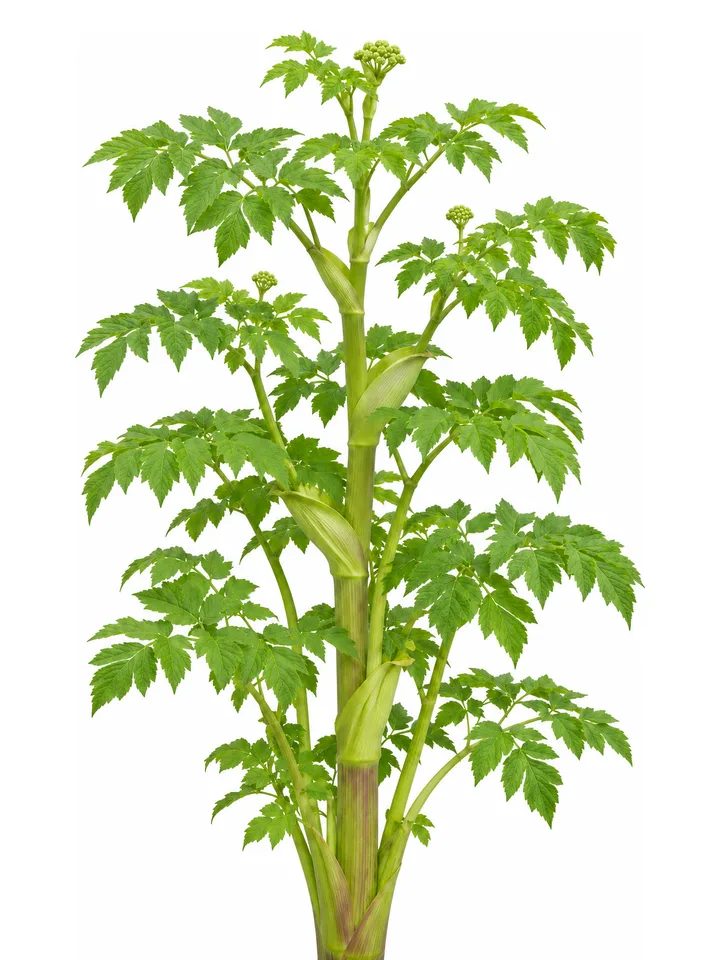
Overall shape, height, branching and growth habit.
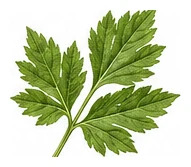
Leaf shape, edges, colour and vein pattern.
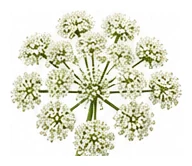
Flower colour, structure and where blooms appear.
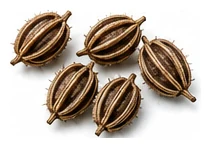
Fruit, root, seed, pod or the strongest identifying feature.
A quick garden-to-table guide for using Angelica after harvest.
Use young leaves from a correctly identified, garden-grown plant sparingly in salads, or peel tender young stalks. Never eat wild-gathered plants that look like angelica; poison hemlock and water hemlock can be fatal.
Use aromatic leaves in soups and stews, or prepare young tender stems before they become fibrous.
Candy young stems using a reliable confectionery recipe, or collect ripe aromatic seeds and dry them thoroughly.
Try: Candied stems, Soup herb, Stew herb, Seed seasoning.
No avoid list yet.
Needs fresh seed and moisture. Give it space in a back border.
Create a free account to save your garden layout, personal planting calendar, water and fertiliser schedules, seed inventory and harvest logs.
Create Free Account