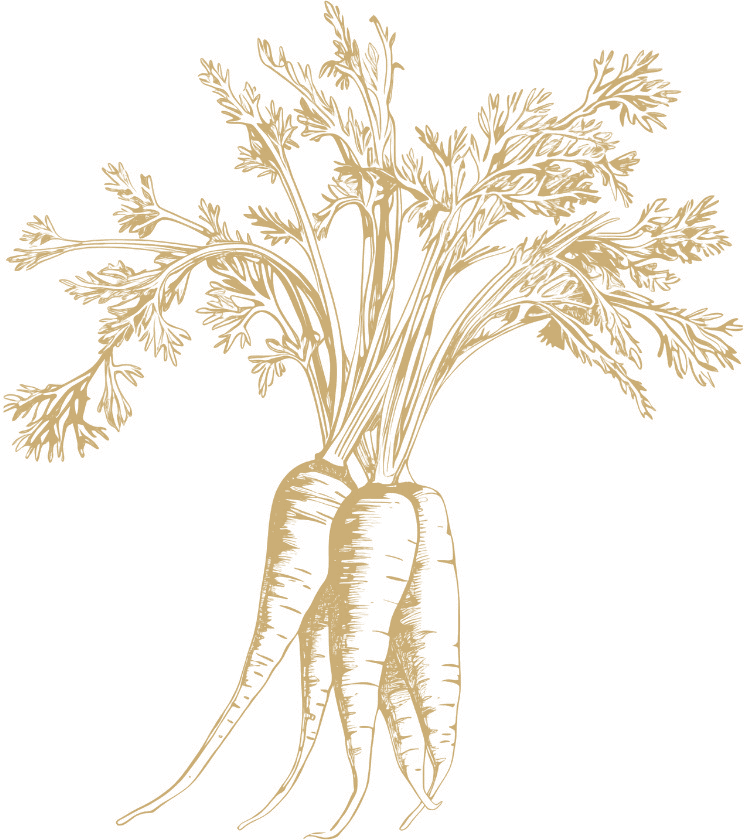

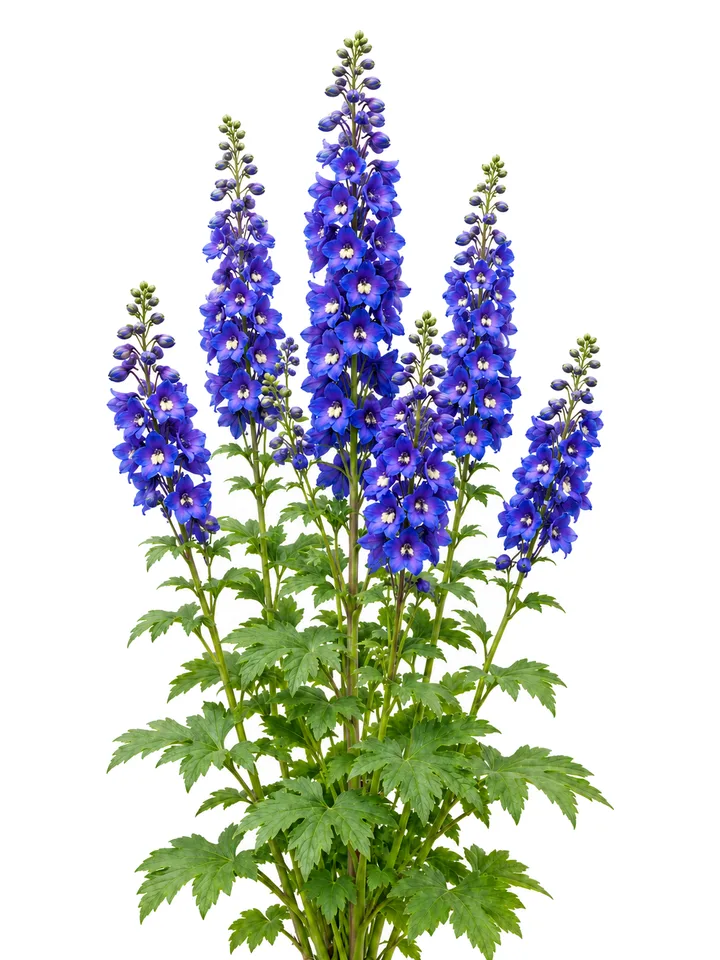
Whole plant
Overall shape, height, branching and growth habit.
Delphinium spp.
A tall flowering perennial known for upright spikes of blue, purple, pink or white flowers. It performs best in cool conditions, rich soil and a sheltered sunny position.
Contains alkaloids that can cause severe poisoning if eaten.
When to sow, plant out and harvest in each climate. Plotera turns this into reminders for your own garden, location and planting dates.
| Climate | Sow | Transplant / Plant | Harvest |
|---|
Delphiniums are flowering plants best known for upright spikes in blue, purple, pink or white. Most familiar border forms are perennials, although some are short-lived and the broader group also includes annual plants. Their strong vertical shape makes them useful behind lower planting, and the spikes can be cut for indoor arrangements. Choose carefully: compact forms suit smaller spaces, while tall forms need considerable room and support. They perform best with sunshine, fertile soil, reliable moisture and shelter from strong wind. Their hollow flower stems can snap under heavy flowers, rain or gusts, so support is part of normal care rather than an emergency repair. Cutting back spent spikes can produce a smaller second display. Cool summers suit them better than persistent heat and humidity. All parts are highly poisonous to people, pets and livestock if eaten, and young growth is the most toxic. Never use any part as food, keep plants away from young children and from areas where animals graze, and wear gloves when handling them because the sap can irritate skin.
Provide fertile, humus-rich, well-drained loam that holds moisture without becoming soggy. Incorporate mature compost before planting. Use raised beds if necessary to escape poorly drained ground, and avoid planting into frozen or waterlogged soil.
Flowers have male and female parts, and single forms are visited particularly by bumblebees. Self-fertility and seed production vary across species and hybrids; a generic Delphinium record should not promise reliable self-fertility. Hand-pollination is unnecessary for flowers. Use basal cuttings to preserve a named variety.
Stake tall forms early and tie stems loosely as they grow. Deadhead after the first display to encourage further flowering, then cut dead stems down after seasonal dieback.
Raise suitable strains from seed, divide established clumps, or take basal cuttings in early spring. Cuttings retain the characteristics of named cultivars.
Choose compact forms and a stable container at least 45 cm across, with drainage holes. Use loam-based potting mix for permanent planting and provide support.
Choose compact forms for pots, tall Elatum types for border height, and loosely branched Belladonna types for cutting. Single flowers provide better access for bumblebees.
New shoots disappear or develop ragged holes. Inspect vulnerable growth and raise small plants in protected pots until stronger.
A white coating develops on foliage. Allow airflow, maintain root moisture and remove badly affected leaves.
The base decays and shoots wilt or collapse. Correct drainage and remove severely affected plants.
Colonies distort tender shoots and buds. Remove small colonies by hand or with a gentle water spray.
Tall perennial forms are poorly matched to persistent heat and humidity; treat them as a cool-season trial.
Grow during the coolest period, with afternoon protection and excellent airflow.
Maintain summer root moisture and shelter from drying winds; intense heat can shorten the display.
Plant in spring, support early and cut back after the first flowering flush.
Cool, moist summers are favourable, provided the ground drains well.
Provide reliable irrigation and wind shelter; prolonged hot, dry conditions make maintenance demanding.
Overall shape, height, branching and growth habit.

Leaf shape, edges, colour and vein pattern.

Flower colour, structure and where blooms appear.

Fruit, root, seed, pod or the strongest identifying feature.
No companion data yet.
No avoid list yet.
Shelter tall flower spikes from strong wind and stake where needed. Cut spent spikes back after flowering to encourage tidy regrowth.
Create a free account to save your garden layout, personal planting calendar, water and fertiliser schedules, seed inventory and harvest logs.
Create Free Account