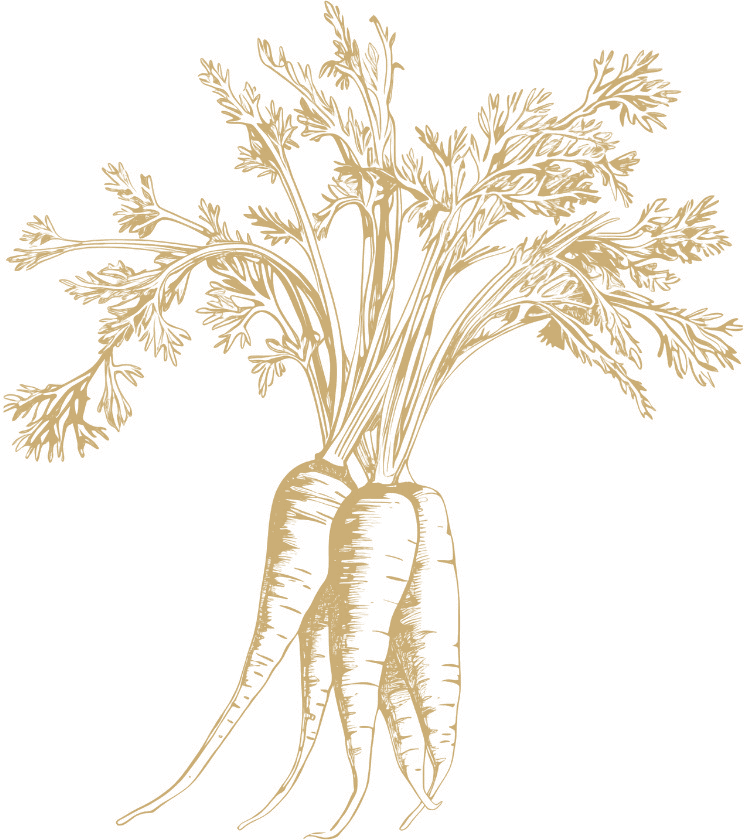

Whole plant
Overall shape, height, branching and growth habit.
Trigonella foenum-graecum
A fast-growing annual legume grown for aromatic leaves and seeds. Young leaves are picked as a fresh green, and mature dry pods supply the spice seed.

When to sow, plant out and harvest in each climate. Plotera turns this into reminders for your own garden, location and planting dates.
| Climate | Sow | Transplant / Plant | Harvest |
|---|
Fenugreek is an annual herb grown for young leafy shoots and aromatic seeds. The leaves have a mildly bitter flavour and are commonly cooked or dried, while mature seeds provide a stronger spice. Decide which harvest matters most before sowing: a quick leafy crop and a fully ripened seed crop need different amounts of time and space. Young leaves can be ready in about a month under suitable conditions, but seed production takes much longer and benefits from warm, dry ripening weather. Plants grow best in a sunny position with well-drained soil and moderate watering. Although fenugreek belongs to the legume family, it still needs suitable soil fertility. Do not assume that every leafy cutting will produce a substantial replacement crop; repeated sowings are a dependable way to keep fresh leaves available.
Use well-drained loam with mature organic matter incorporated where needed. A pH range of 5.3–8.2 is tolerated. Ground planting, raised beds and containers are suitable if excess water drains freely.
The flowers are perfect and predominantly self-pollinating, although visiting insects can improve seed production. Leaf harvests need no pollination. For seed saving, retain healthy plants through flowering and pod maturity; hand-pollination is unnecessary.
No trellis is normally needed. Cut leafy shoots while tender, but leave plants intended for seed uncut so flowers and pods can develop.
Grow from seed, preferably sown directly. Rooted young plants can also be transplanted carefully.
Use a container at least 45 cm wide and deep as a conservative choice for a small leafy planting. Provide drainage holes and avoid crowding plants kept for seed.
Choose selections described for leafy harvests or for seed production according to your goal. Check that seed is labelled Trigonella foenum-graecum, as other plants are sometimes sold under similar names.
Plants yellow, wilt or collapse in persistently wet soil. Improve drainage and remove affected plants.
Brown spots develop on leaves and reduce usable foliage. Remove affected leaves and improve air movement through the planting.
Sap-feeding insects cause spotting, distorted growth or damage to tender shoots. Inspect regularly, remove weeds and use protective mesh where practical.
Use a cooler, less humid growing period where possible, particularly for a seed crop.
Grow leafy crops in the cooler season and time seed ripening for dry conditions.
Use mild growing conditions for leaves and allow seed crops to finish during warm, dry weather.
Sow once soil is above 10 °C and allow a sufficiently long season for mature seed.
Prioritise young leaves where the season is short; seed production needs substantially more time and warmth.
Irrigate for leafy growth without saturating the roots. Dry air is useful when pods are ripening.
Overall shape, height, branching and growth habit.

Leaf shape, edges, colour and vein pattern.

Flower colour, structure and where blooms appear.

Fruit, root, seed, pod or the strongest identifying feature.
A quick garden-to-table guide for using Fenugreek after harvest.
Tender leaves can be used sparingly as a flavouring, although they are more commonly cooked.
Cook young leaves and shoots in savoury dishes. Roast mature seeds lightly and use whole or ground as a spice. Fenugreek is a legume and can cause allergic reactions, including in some people with peanut allergy, so anyone with a peanut or legume allergy should check with their doctor first. During pregnancy, keep to normal cooking amounts and avoid concentrated seed preparations.
Dry leafy growth for seasoning. Dry mature seeds thoroughly and store them in a cool, dry, airtight container.
No companion data yet.
No avoid list yet.
Harvest young leaves from about a month after sowing or allow plants to mature until pods yellow and dry for seed harvest.
Create a free account to save your garden layout, personal planting calendar, water and fertiliser schedules, seed inventory and harvest logs.
Create Free Account