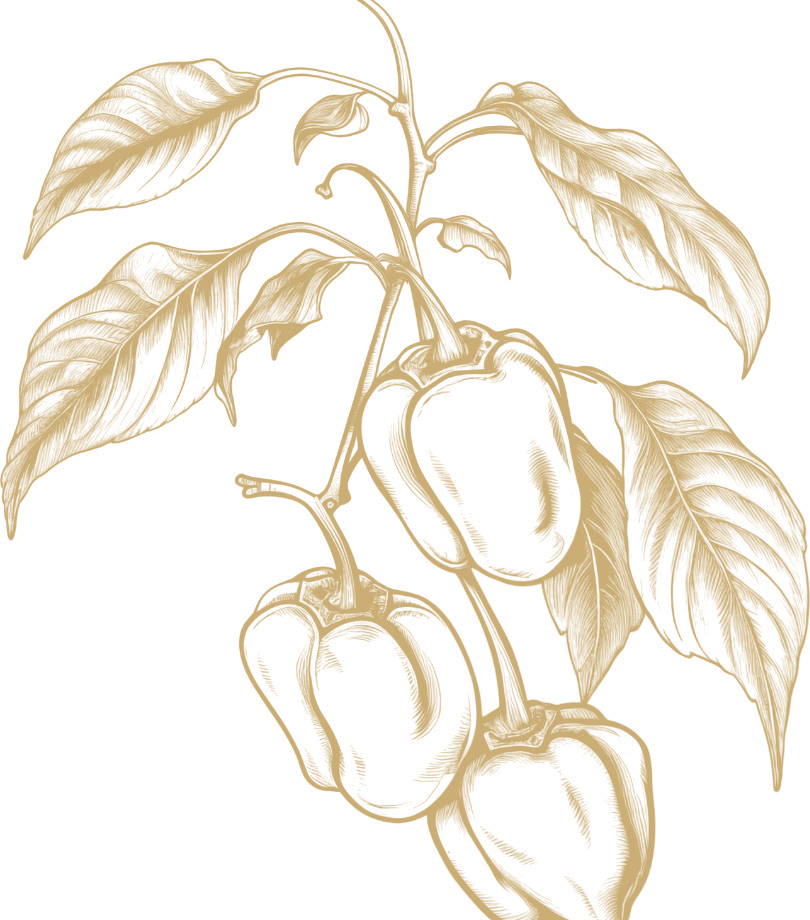
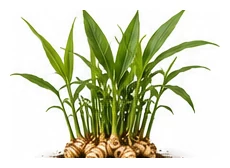
Whole plant
Overall shape, height, branching and growth habit.
Alpinia galanga
Tropical rhizome related to ginger with a distinctive piney, citrusy flavour. Essential in Thai, Indonesian and Malaysian cooking. Needs warmth and moisture.

When to sow, plant out and harvest in each climate. Plotera turns this into reminders for your own garden, location and planting dates.
| Climate | Sow | Transplant / Plant | Harvest |
|---|---|---|---|
| Tropical | Jan - Dec | Jan - Dec | Jan - Dec |
| Subtropical | Sep - Dec | Sep - Dec | Jan - Dec |
| Mediterranean | Oct - Nov | Oct - Nov | Jan - Dec |
| Temperate | Sep - Oct | Oct - Nov | Jan - Dec |
| Cool | Oct | Nov - Dec | Jan - Dec |
| Arid | Sep - Nov | Sep - Nov | Jan - Dec |
Greater galangal is a vigorous tropical perennial grown for aromatic underground stems called rhizomes. It forms a substantial clump of tall leafy shoots, making it both an edible plant and a bold garden feature. Confirm that your plant is Alpinia galanga, because several different plants share the name galangal. Young rhizomes and shoots are useful in the kitchen, while older rhizomes become tougher and more fibrous. Growing from a healthy division is more practical than waiting for seed. Give it warmth, fertile soil and reliable moisture, while ensuring excess water can escape. In a frost-free garden, a clump can remain productive across seasons and be divided as it expands. In colder conditions, a movable container and protected winter accommodation are more practical. Expect vigorous growth when conditions suit it, and leave enough room around the plant to reach and lift rhizomes without damaging the entire clump.
Grow in fertile, moist but well-drained loam enriched with mature organic matter. Ground beds suit its large clumps; raised beds help where drainage is poor. Mulch the surface to conserve moisture without creating persistently saturated conditions.
Flowers contain both male and female parts, but pollination is unnecessary for harvesting rhizomes. Preserve a useful culinary selection by division rather than relying on seed; hand-pollination is unnecessary for the edible crop.
No trellis or routine pinching is needed. Divide expanding clumps when they outgrow their space, and remove dead or damaged shoots.
Divide older rhizomes into pieces about 5–10 cm long, each with at least two sound terminal buds. Plant into warm soil and handle new roots and shoots carefully.
Use at least about 20 litres for one starting rhizome, with drainage holes and room for the clump to expand. Larger containers are more stable as shoots grow tall.
Seek verified greater galangal, Alpinia galanga, for culinary rhizomes. Choose healthy, vigorous planting stock of a known edible selection rather than an unidentified ornamental plant.
Rhizomes become soft or mouldy and shoots decline. Start with healthy divisions, use clean tools and improve drainage.
Leaves curl and develop dry tips or margins. Check root-zone moisture and water before the clump dries severely.
Exposed leaves scorch during intense heat. Provide partial shade and maintain adequate soil moisture.
Plants make vigorous leafy growth but little harvestable rhizome under excessive shade. Move them to brighter conditions without exposing them abruptly to harsh sun.
Grow as a perennial with moisture available through active growth and drainage during heavy rain.
Use the warm season for rapid growth and protect plants where cold weather interrupts growth.
Provide summer irrigation and some protection from intense afternoon sun; shelter from winter cold.
Use a movable container and a warm protected position to extend the growing season.
Protected cultivation is the practical option because outdoor warmth is too limited for dependable vigorous growth.
Provide partial shade, mulch and reliable irrigation; hot, dry exposure readily damages foliage.
Overall shape, height, branching and growth habit.
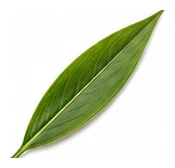
Leaf shape, edges, colour and vein pattern.
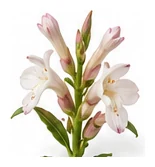
Flower colour, structure and where blooms appear.
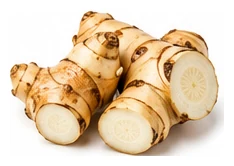
Fruit, root, seed, pod or the strongest identifying feature.
A quick garden-to-table guide for using Galangal after harvest.
Tender young rhizomes, shoots and young flower clusters can be eaten fresh; wash thoroughly and slice finely.
Finely blend the rhizome into spice pastes or use it to flavour soups and curries. Young shoots and flower clusters can also be cooked.
Rhizomes can be dried and ground for storage. Harvest sound material and dry it thoroughly before sealing it away.
Try: Curry paste, Soup flavouring, Ground spice, Cooked shoots.
No avoid list yet.
Harvest young rhizomes when pink for the best flavour.
Create a free account to save your garden layout, personal planting calendar, water and fertiliser schedules, seed inventory and harvest logs.
Create Free Account