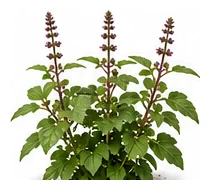
Whole plant
Overall shape, height, branching and growth habit.
Ocimum tenuiflorum
Fragrant culinary basil with a clove-like aroma, grown for its leaves. Loved by pollinators and suited to warm-season herb gardens.
When to sow, plant out and harvest in each climate. Plotera turns this into reminders for your own garden, location and planting dates.
| Climate | Sow | Transplant / Plant | Harvest |
|---|---|---|---|
| Tropical | Jan - Dec | Jan - Dec | Jan - Dec |
| Subtropical | Jul - Oct | Sep - Dec | Nov - May |
| Mediterranean | Aug - Oct | Oct - Dec | Dec - Apr |
| Temperate | Mar - May | May - Jun | Jul - Oct |
| Cool | Apr - May | Jun | Aug - Oct |
| Arid | Jul - Sep | Sep - Oct | Nov - Mar |
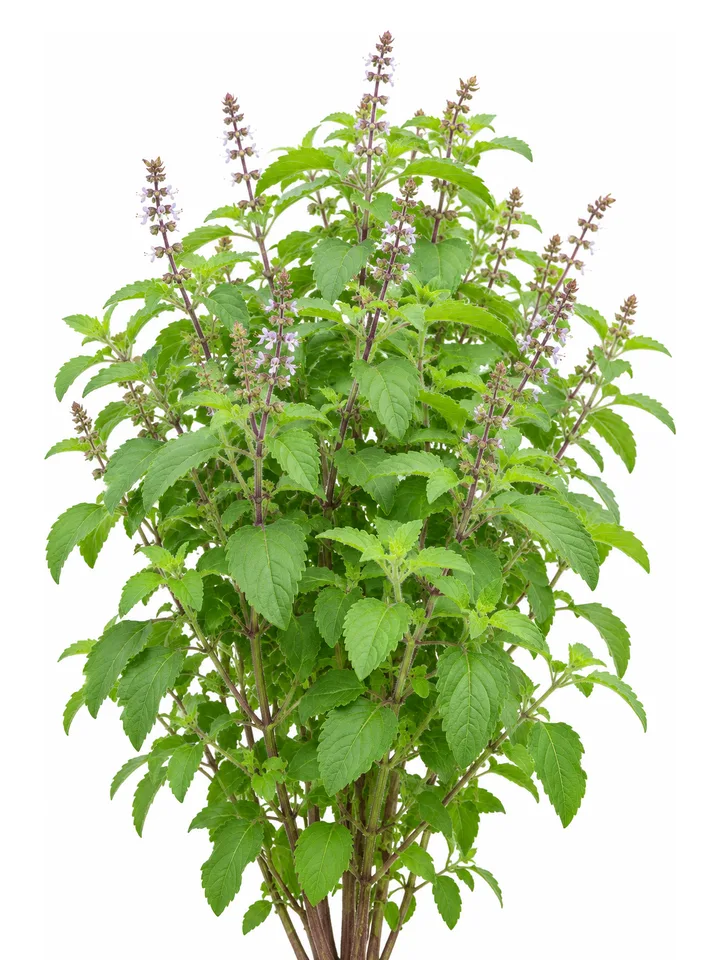
Holy basil is an aromatic herb that forms an upright, branching bush with softly hairy leaves and slender spikes of small white, pink or purple flowers. Its spicy, clove-like fragrance makes it useful in the kitchen and enjoyable near a path or seating area. Grow it as a warm-season annual wherever winters are cold; in frost-free conditions it can live as a short-lived perennial. The main harvest is leafy shoot tips, and regular picking helps keep the plant compact and productive. Plants allowed to flower attract bees and may produce seedlings, so remove unwanted seedlings before they establish. A sunny, sheltered pot is a useful option where outdoor conditions are unreliable. Expect growth and harvesting to slow in cool weather, and protect plants before frost rather than relying on them to recover afterward.
Use moist, well-drained loam or sandy soil with some compost. Aim for approximately pH 6.5–7.0 in a prepared herb bed, although holy basil tolerates broader pH conditions. Use a raised bed or container where ground drainage is poor.
Pollination does not affect the leafy harvest. Bees visit the small flowers; for seed saving, leave selected flower spikes to mature rather than pinching them off. Keep plants with the leaf colour and aroma you want, or use cuttings to retain their characteristics.
Staking is usually unnecessary. Pinch growing tips and flower spikes during active growth; cut back after flowering if you have allowed a flowering display.
Raise plants from seed in gentle warmth. Non-flowering stem cuttings can also be rooted to retain a selected plant.
Use a pot at least 20 cm wide and deep for a young plant, with drainage holes. Move it into a larger pot as roots and shoots fill the available space.
Choose correctly identified Ocimum tenuiflorum plants with the leaf colour and spicy aroma you prefer. Green and purple-tinted forms are available.
Clusters on soft tips can distort new leaves. Wash them off with water and preserve insect predators.
Fine pale mottling appears on leaves. Inspect leaf undersides and remove badly affected shoots.
A white powdery coating develops on foliage. Improve air movement and remove affected growth.
Plants decline despite wet soil. Restore drainage and let excess water escape from pots.
Grow as a short-lived perennial in a sunny position with reliable drainage.
Use the warm growing season and protect plants whenever frost threatens.
Plant after frost and maintain soil moisture through dry summer weather.
Grow as an annual after the last frost, or keep a container under protection.
A warm greenhouse or similarly bright protected position gives more reliable growth.
Provide shelter and check soil moisture frequently; do not let the rootball remain dry.
Overall shape, height, branching and growth habit.
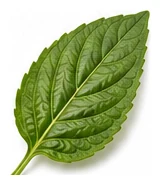
Leaf shape, edges, colour and vein pattern.
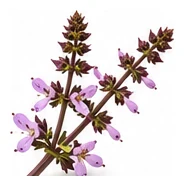
Flower colour, structure and where blooms appear.
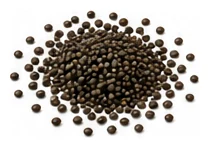
Fruit, root, seed, pod or the strongest identifying feature.
A quick garden-to-table guide for using Holy Basil after harvest.
Use small quantities of fresh young leaves as a spicy garnish.
Add leaves to stir-fries, soups and sauces, or steep them for an aromatic infusion.
Dry clean leaves promptly, then store fully dry leaves in an airtight container away from light.
Try: Stir-fry, Soups, Garnish, Infusion.
No avoid list yet.
Harvest leafy stems before flowering for the strongest aroma.
Create a free account to save your garden layout, personal planting calendar, water and fertiliser schedules, seed inventory and harvest logs.
Create Free Account