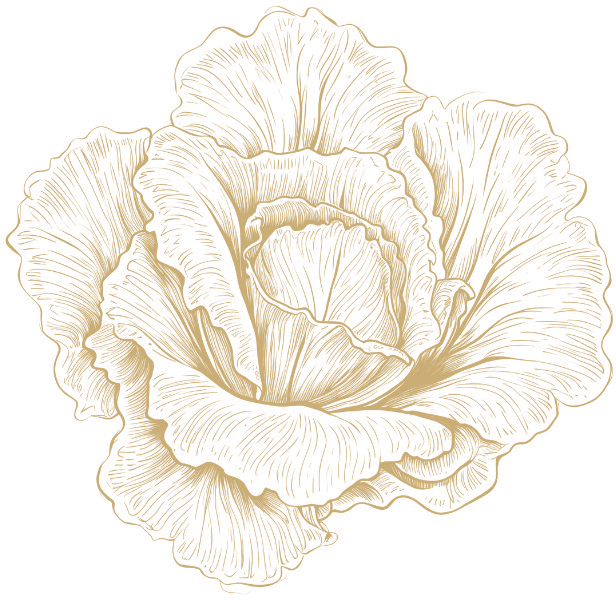

Whole plant
Overall shape, height, branching and growth habit.
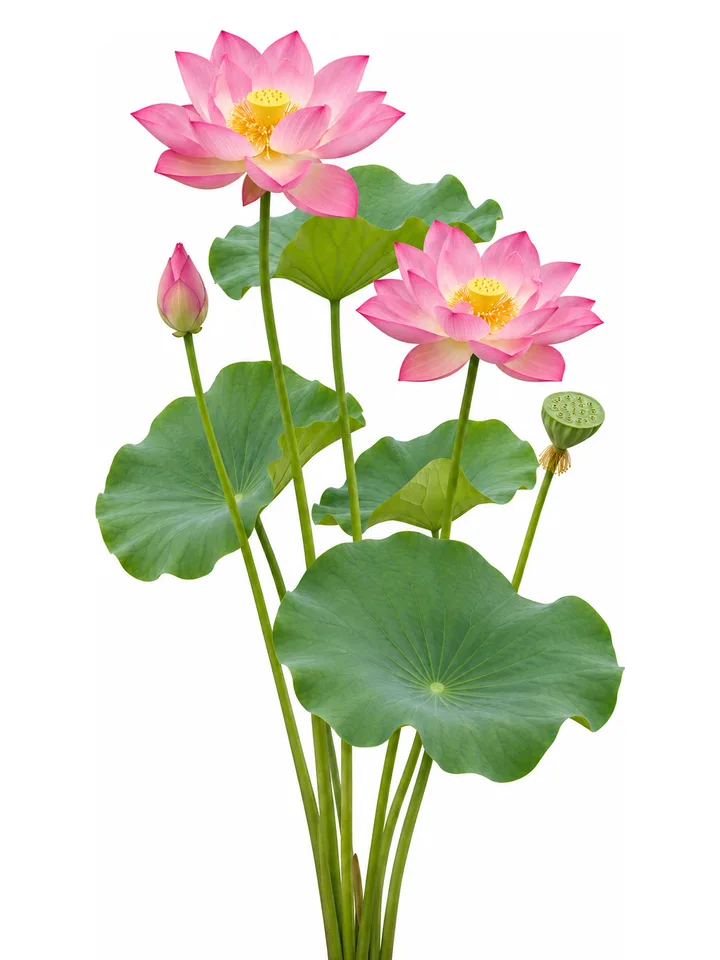
Nelumbo nucifera
An aquatic perennial with large round leaves and showy flowers held above the water. It grows from rhizomes rooted in heavy soil beneath shallow warm water.
When to sow, plant out and harvest in each climate. Plotera turns this into reminders for your own garden, location and planting dates.
| Climate | Sow | Transplant / Plant | Harvest |
|---|
Sacred lotus (Nelumbo nucifera) is a rhizomatous aquatic perennial with large round leaves and conspicuous flowers held above the water. It is not a water lily (Nymphaea), which floats its leaves and flowers on the surface and is a different plant. Lotus grows in heavy submerged soil and needs strong light and warm growing conditions for vigorous growth and flowering. The distinctive seedheads remain decorative after the petals fall. A watertight container makes it possible to grow lotus without a conventional pond and helps keep its spreading rhizomes contained; in open ponds it can spread aggressively, and it is restricted as a weed in some regions, so check local rules. Smaller cultivars are easier to accommodate than full-sized forms. The rhizomes, seeds and young leaves of sacred lotus are eaten, but always cook them thoroughly: raw freshwater plants can carry parasites. The growing tips are fragile, so dividing or repotting requires care. In cold conditions the foliage dies back and the rhizomes need protection from freezing. Expect water management, seasonal feeding and occasional careful division rather than the routine watering used for ordinary garden plants.
Use heavy loam that stays in place underwater, with modest well-rotted organic matter. Neutral soil is suitable. Grow in a watertight container or contained pond planting, rather than a normally drained garden bed.
Flowers contain both male and female structures, with female receptivity preceding pollen release. Insects transfer pollen for seed production; pollination is unnecessary for rhizome growth or the flower display. Grow named cultivars by division rather than expecting seedlings to match.
No staking or trellis is needed. Remove fading foliage carefully and avoid disturbing the rhizome or growing points.
Divide dormant rhizomes carefully before growth resumes. Seed also works after gently scarifying the hard coat; germinate in warm water around 25–30 °C.
Use a round, watertight container without drainage holes. A 50-litre container is a proven size for mature plants; smaller cultivars need less space and shallower water.
Choose dwarf or bowl types for limited space, larger flowering types for broad containers, and edible-rhizome or seed selections when food production is the main aim.
Colonies gather on tender growth. Remove them gently by hand or rinse them away without contaminating pond water.
Leaves become stippled and may develop fine webbing. Inspect undersides and gently rinse affected foliage.
White cottony clusters appear on growth, especially under protection. Isolate affected containers where practical and remove pests by hand.
Growth fails after freezing or rough division. Keep rhizomes frost-free and handle growing tips very carefully.
Warmth suits active growth; maintain water levels and strong light.
Grow in sun and protect dormant container rhizomes if freezing is possible.
Warm summers suit growth, but evaporation requires frequent water-level checks.
Use the warmest sunny position and overwinter rhizomes frost-free.
Protected cultivation may be needed to provide enough summer warmth for flowering.
Use a watertight container and replenish evaporation before the soil is exposed.
Overall shape, height, branching and growth habit.

Leaf shape, edges, colour and vein pattern.

Flower colour, structure and where blooms appear.

Fruit, root, seed, pod or the strongest identifying feature.
A quick garden-to-table guide for using Lotus after harvest.
Do not eat any part raw. Rhizomes, seeds and leaves from ponds or containers should be cooked thoroughly, because raw freshwater plants can carry parasites.
Peel and slice rhizomes, boil them first, then use them in soups, stir-fries or braises; cook shelled seeds for sweet or savoury dishes; use leaves to wrap food for steaming. Use only sacred lotus (Nelumbo), not water lilies.
Rhizomes can be pickled using a tested food-preservation recipe; do not improvise room-temperature storage.
No companion data yet.
No avoid list yet.
Grow in a large watertight container of heavy loam with the crown or rhizome protected from disturbance. Increase water depth as growth strengthens.
Create a free account to save your garden layout, personal planting calendar, water and fertiliser schedules, seed inventory and harvest logs.
Create Free Account