
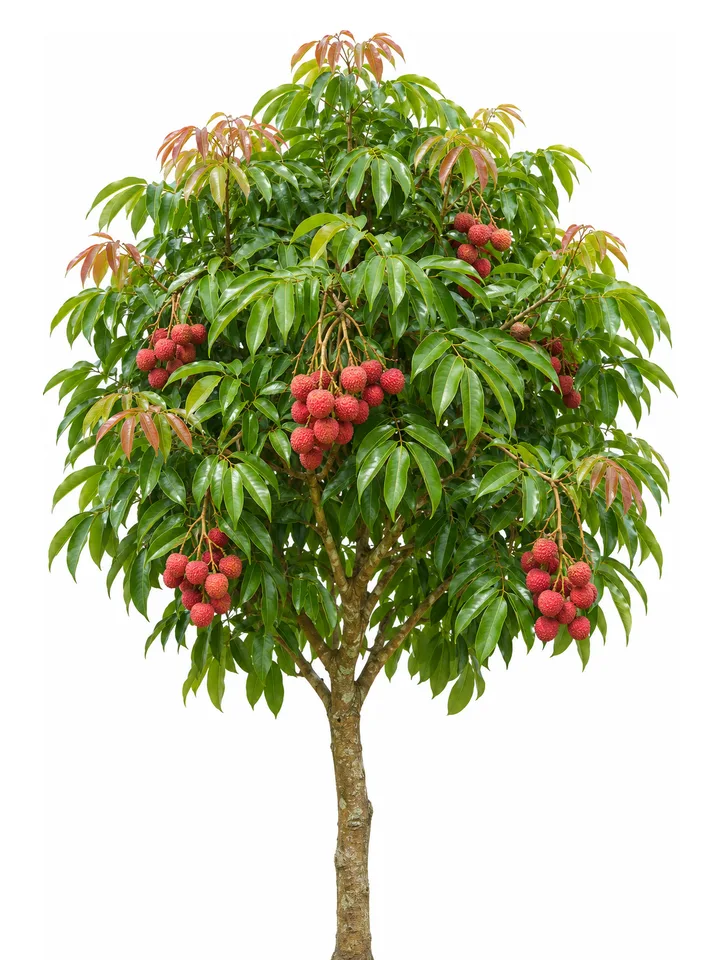
Whole plant
Overall shape, height, branching and growth habit.
Litchi chinensis
Dense, evergreen subtropical tree with glossy leaves and clusters of round fruit with bumpy red skin and sweet, juicy, translucent flesh.
Contains urushiol, the same irritant as poison ivy. Sap can cause dermatitis and mouth blisters in sensitive people.
When to sow, plant out and harvest in each climate. Plotera turns this into reminders for your own garden, location and planting dates.
| Climate | Sow | Transplant / Plant | Harvest |
|---|---|---|---|
| Tropical | From transplant | Jan - Dec | Nov - Feb |
| Subtropical | From transplant | Sep - Dec | Dec - Feb |
| Mediterranean | From transplant | Sep - Nov | Jan - Mar |
| Temperate | Not suitable | Not suitable | Not suitable |
| Cool | Not suitable | Not suitable | Not suitable |
| Arid | Not suitable | Not suitable | Not suitable |
Lychee is a dense evergreen fruit tree producing hanging clusters of round fruit with textured red skin and sweet, translucent flesh around a single seed. It is fundamentally subtropical: dependable flowering needs mature shoots followed by a cool, relatively dry rest, then warm conditions for bloom and fruit development. Constant warmth or wet weather during the resting period can cause leafy flushes instead of flowers. Air-layered or grafted trees usually begin bearing in about three to five years, whereas seedlings are variable and may remain juvenile for ten years or longer. Mature trees can exceed 10 m if unpruned and need protection from strong wind, which damages foliage, flowers and developing fruit. A single tree normally sets some fruit, but compatible cultivars nearby may improve yield. Fruit does not store indefinitely on the tree, so harvest clusters when the skin is fully coloured and the flesh tastes sweet. Netting may be needed as fruit approaches maturity because birds and fruit bats quickly discover a crop. Lychee is poorly suited to small containers or climates lacking a distinct cool rest.
Grow in deep, fertile, well-drained soil with moderate organic matter and a preferred pH of 5.0–6.5. It tolerates brief wetness better than prolonged standing water. Plant on a broad mound where drainage is marginal and mulch widely without covering the trunk.
Each flower panicle carries three functional flower phases: two male phases and a female phase. Bees, flies and wind move pollen. One tree commonly sets an acceptable crop, but a second compatible cultivar flowering at the same time can improve set. Hand-pollination is generally impractical because trees carry many small flowers.
Train young trees to several well-spaced scaffold branches. No trellis is needed. Prune lightly immediately after harvest to limit height and remove crowded, damaged or low branches. Avoid heavy or late pruning because the next flowers form on mature shoot terminals.
Air-layering is the standard home-garden method and preserves the cultivar; grafted plants are also suitable. Fresh seed germinates quickly but loses viability rapidly, does not come true and may take ten years or more to bear. Cuttings are less dependable than air layers.
Lychee is not well suited to permanent container culture because it becomes a large tree and needs stable moisture plus a seasonal flowering cycle. A young air layer can be held temporarily in a large, freely draining container, then planted into the ground before it becomes root-bound.
Choose regular-bearing cultivars adapted to the local degree of winter cooling. Small-seeded types provide more edible flesh; low-vigour selections ease size control, and anthracnose-tolerant types are valuable in humid climates. Plant two compatible cultivars if space permits.
Dark lesions develop on flowers, leaves or fruit, especially in humid weather. Remove fallen and infected material, open the canopy lightly after harvest and avoid prolonged wetting of flowers and fruit.
Flowers and young fruitlets brown or collapse during cool, wet bloom conditions. Improve air movement, remove infected panicles and avoid overhead irrigation while flowering.
Leaves develop raised blisters above and dense brown felt beneath; flowers and fruit set may also be damaged. Start with clean plants and promptly prune, bag and destroy infested shoots according to local biosecurity guidance.
Scales weaken shoots and produce honeydew, while webworms bind and feed within foliage. Control ants, prune small infestations, conserve predators and remove webbed growth before populations spread.
Leaves yellow and growth declines where water remains around the roots. Improve drainage, reduce irrigation frequency, keep mulch away from the trunk and avoid planting in depressions.
Lowland sites without a cool, dry rest often produce leaves instead of flowers. Choose a cooler elevated position and avoid irrigation or nitrogen that triggers resting shoots.
This is the preferred climate: allow a cool, dry rest, followed by reliable moisture from flowering through harvest. Shelter from wind.
Winter cooling can induce bloom, but irrigation is essential as flowering and fruit growth enter dry conditions. Protect young bark and foliage from hot, dry wind.
Use a warm frost-sheltered microclimate with a long summer. Young trees are cold-sensitive, and fruiting becomes unreliable where freezes damage terminals.
Outdoor production is generally unsuitable. A large protected structure can keep a compact tree alive, but achieving both flower-inducing coolness and frost protection is difficult.
Flower induction may be good, but low humidity, hot wind and water shortage can reduce fruit set. Use windbreaks, mulch and dependable irrigation after bloom.
Overall shape, height, branching and growth habit.
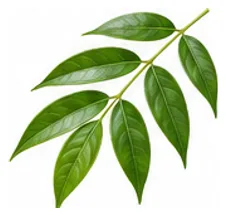
Leaf shape, edges, colour and vein pattern.

Flower colour, structure and where blooms appear.

Fruit, root, seed, pod or the strongest identifying feature.
A quick garden-to-table guide for using Lychee after harvest.
Peel fully coloured fruit, remove the seed and eat the translucent flesh immediately or chill briefly. Harvested fruit loses skin colour and freshness quickly.
Add peeled, seeded flesh near the end of cooking in syrups, desserts or gently heated sauces so its floral aroma is retained.
Freeze peeled, seeded flesh, dry it thoroughly, or preserve it in syrup with a tested recipe. Refrigerate cut fruit and discard any fermented or mouldy pieces.
Try: Peeled fresh, Lychee sorbet, Fruit salad, Lychee drinks.
Create a free account to save your garden layout, personal planting calendar, water and fertiliser schedules, seed inventory and harvest logs.
Create Free Account