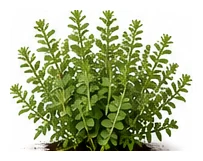
Whole plant
Overall shape, height, branching and growth habit.
Origanum majorana
Sweeter and milder relative of oregano. Essential in Mediterranean cuisine. Attracts butterflies and bees. Good companion plant that enhances the flavour of nearby vegetables.

When to sow, plant out and harvest in each climate. Plotera turns this into reminders for your own garden, location and planting dates.
| Climate | Sow | Transplant / Plant | Harvest |
|---|---|---|---|
| Tropical | Jan - Dec | Jan - Dec | Jan - Dec |
| Subtropical | Sep - Dec | Sep - Dec | Nov - Mar |
| Mediterranean | Sep - Nov | Sep - Nov | Nov - Feb |
| Temperate | Sep - Nov | Oct - Dec | Dec - Mar |
| Cool | Oct - Nov | Nov - Dec | Dec - Feb |
| Arid | Sep - Nov | Sep - Nov | Nov - Feb |
Sweet marjoram is a small, branching herb with soft grey-green leaves and a delicate, sweet aromatic flavour. It is a tender perennial, but gardeners in cold climates usually grow it as an annual or keep a plant under winter protection. Its compact habit suits an herb bed, a sunny border or a container near the kitchen. The leaves can be picked throughout active growth, with larger harvests taken before the flower buds open. Frequent trimming encourages branching and a supply of tender shoots. Plants left to bloom offer nectar to visiting insects, so you can retain a few flowering stems if leaf production is less important. Marjoram prefers sun, moderate fertility and excellent drainage. Once established it handles some dryness, but persistent wetness is a much greater threat to its survival.
Choose sandy loam or another freely draining soil of low to moderate fertility. Aim for pH 6.7–7.0. Use a raised bed or container if garden soil remains wet, and avoid excessive organic enrichment.
Pollination does not affect the leaf harvest. Small flowers attract bees and other insects. Leave selected stems to flower and ripen for seed saving; use cuttings or division to retain a chosen plant's characteristics.
No support is needed. Pinch plants when approximately 15–20 cm tall and trim regularly, leaving leafy growth for recovery.
Use seed, non-flowering stem cuttings or division. Cuttings retain the character of a selected plant.
Use a freely draining container at least 15 cm wide and deep for one young plant, moving it to a larger pot as it fills out to its mature width of about 30 cm. Add grit to the potting mix and keep the pot in a sunny, sheltered position.
Choose true sweet marjoram, Origanum majorana, for culinary use. Golden or variegated forms provide decorative foliage.
Stems collapse or plants decline in wet soil. Improve drainage and allow the surface to dry slightly between waterings.
Soft shoots carry clusters of insects and distorted leaves. Wash them away with water.
Leaves become finely speckled, particularly in dry indoor conditions. Rinse affected foliage and inspect regularly.
Leaves develop pale stippling or mottling. Remove badly affected growth and monitor fresh shoots.
Use an airy sunny position and especially free drainage during wet weather.
Grow in well-drained soil and protect plants if frost threatens.
Sunny, freely draining beds suit it; water during extended dry spells.
Grow as a warm-season annual or overwinter a small plant under cover.
Start indoors and plant out after frost, or retain plants in a bright protected position.
Established plants tolerate some dryness; water containers before severe wilting.
Overall shape, height, branching and growth habit.
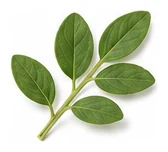
Leaf shape, edges, colour and vein pattern.
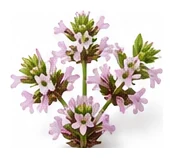
Flower colour, structure and where blooms appear.
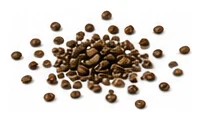
Fruit, root, seed, pod or the strongest identifying feature.
A quick garden-to-table guide for using Marjoram after harvest.
Use tender leaves sparingly in salads, dressings and soft cheese dishes.
Add tender leaves near the end of cooking to retain their delicate flavour. Remove tougher whole stems before serving.
Air-dry small bunches, then remove fully dry leaves and store airtight away from heat and light.
Try: Salad dressing, Soft cheese, Finishing herb, Dried herb.
Create a free account to save your garden layout, personal planting calendar, water and fertiliser schedules, seed inventory and harvest logs.
Create Free Account