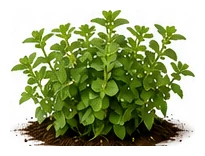
Whole plant
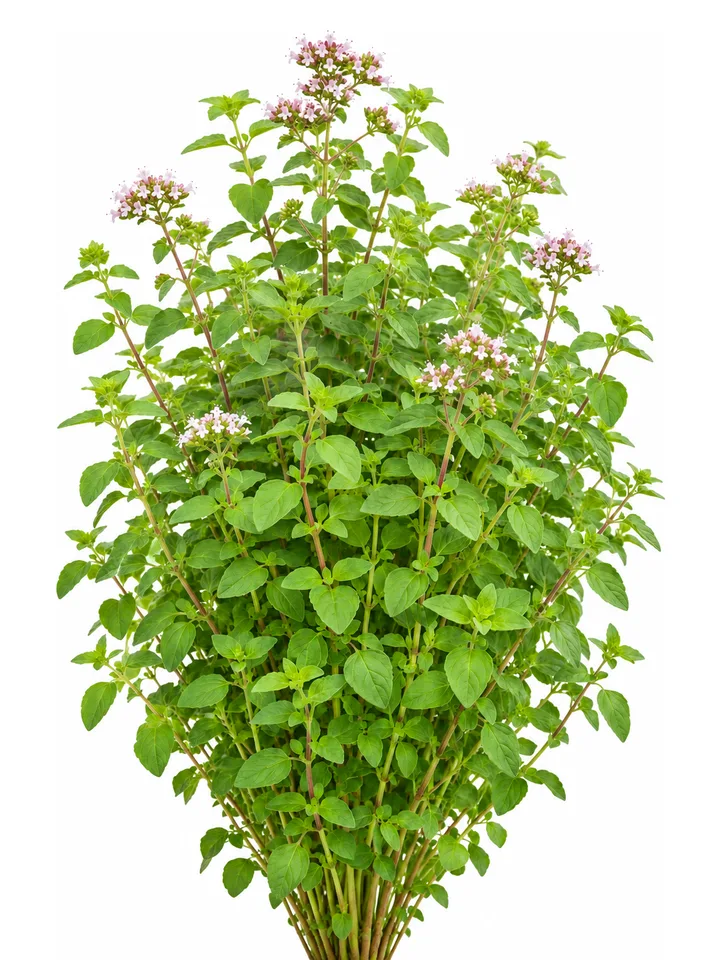
Overall shape, height, branching and growth habit.
Origanum vulgare
Strongly aromatic perennial herb widely used in Italian, Greek and Mexican cooking. Grows best in full sun and free-draining soil of modest fertility; overwatering and heavy feeding can weaken its flavour.
When to sow, plant out and harvest in each climate. Plotera turns this into reminders for your own garden, location and planting dates.
| Climate | Sow | Transplant / Plant | Harvest |
|---|---|---|---|
| Tropical | Jan - Dec | Jan - Dec | Jan - Dec |
| Subtropical | Jan - Dec | Jan - Dec | Jan - Dec |
| Mediterranean | Feb - Oct | Feb - Oct | Jan - Dec |
| Temperate | Mar - Oct | Mar - Oct | Jan - Dec |
| Cool | Mar - Sep | Mar - Sep | Jan - Dec |
| Arid | Mar - Oct | Mar - Oct | Jan - Dec |
Oregano is an aromatic perennial grown mainly for its small, strongly flavoured leaves. It forms a spreading clump with stems that become woody as they age, making it useful in herb beds, sunny borders and containers. Flavour varies considerably between plants: culinary selections are usually more useful in the kitchen than forms selected mainly for decorative flowers or foliage. Starting with a cutting-grown plant helps preserve a flavour you enjoy. Once established in freely draining soil, oregano needs relatively little attention, although occasional trimming keeps it leafy and compact. Harvest small amounts as needed and take larger cuts just before flowering for particularly aromatic leaves. Flowers attract visiting insects, so leaving some stems uncut adds wildlife value. Expect established clumps to benefit from occasional division as they spread or become sparse.
Use freely draining sandy or gritty loam with modest fertility. A little compost can improve soil structure, but avoid rich, wet ground. A pH of 6.0–6.5 is suitable; slightly alkaline soils are also tolerated. Use a raised bed or container where ground drainage is poor.
Pollination does not affect the leaf harvest, and you do not need a second plant. Flowers have male and female parts and attract bees and other insects. For seed saving, let selected stems flower and ripen; seedlings can vary in flavour, so use cuttings or division to retain a particular culinary selection.
No trellis is needed. Pinch young plants and trim leafy stems regularly; remove flower stalks when leaf production is the priority. Rejuvenate sparse clumps by division.
Seed, softwood stem cuttings and division work. Cuttings and divisions preserve the parent plant's flavour; seed-grown plants may differ.
Use a pot at least 30 cm across with drainage holes and a freely draining potting mix. Divide or repot when the clump becomes crowded.
Choose strongly flavoured culinary selections of Origanum vulgare subsp. hirtum. Compact forms suit pots; golden-leaved forms offer colour but may need protection from intense afternoon sun.
Plants decline or wilt despite wet soil. Improve drainage, reduce watering and replace badly rotted plants.
Small insects gather on tender tips and may distort growth. Wash off colonies with water and protect natural predators.
Fine stippling and webbing can develop, especially in hot, dry conditions. Rinse leaf undersides and avoid prolonged water stress.
Older clumps develop bare stems and fewer useful leaves. Trim regularly and divide healthy outer growth.
Prioritise rapid drainage and airflow during prolonged rain; a movable container helps keep roots from staying saturated.
Grow in sun with good drainage, providing light afternoon shade if leaves scorch.
Sunny, freely draining beds suit established plants. Water during extended drought rather than keeping soil continually moist.
Establish young plants after frost risk passes and trim during active growth.
Choose a hardy culinary selection and protect roots from winter wet. Less hardy selections can overwinter under cover.
Water young plants until established and check pots frequently during extreme heat. Do not deliberately allow severe wilting.
Overall shape, height, branching and growth habit.
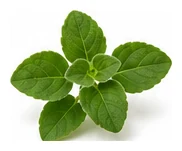
Leaf shape, edges, colour and vein pattern.
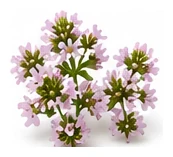
Flower colour, structure and where blooms appear.
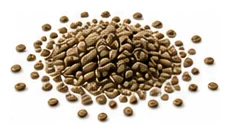
Fruit, root, seed, pod or the strongest identifying feature.
A quick garden-to-table guide for using Oregano after harvest.
Use small amounts of fresh oregano leaves in salads, dressings and garnishes.
Add fresh or dried leaves to sauces, soups, bread and roasted meat dishes.
Dry leafy stems in a dark, airy place, then store completely dry leaves in airtight containers. Leaves can also be frozen.
Try: Sauces, Herb bread, Roast meats, Dressings.
Create a free account to save your garden layout, personal planting calendar, water and fertiliser schedules, seed inventory and harvest logs.
Create Free Account