
Whole plant
Overall shape, height, branching and growth habit.
Solanum betaceum
Fast-growing small tree with large, soft leaves and hanging egg-shaped red or gold fruit with tangy flesh. Seed-grown plants usually begin fruiting in their second or third year.

Kernels contain cyanogenic compounds. Do not crack and eat the stones.
When to sow, plant out and harvest in each climate. Plotera turns this into reminders for your own garden, location and planting dates.
| Climate | Sow | Transplant / Plant | Harvest |
|---|---|---|---|
| Tropical | From transplant | Jan - Dec | Jan - Dec |
| Subtropical | From transplant | Sep - Nov | Apr - Sep |
| Mediterranean | From transplant | Sep - Nov | May - Sep |
| Temperate | From transplant | Oct - Nov | May - Aug |
| Cool | Not suitable | Not suitable | Not suitable |
| Arid | From transplant | Sep - Oct | May - Aug |
Tamarillo is a fast-growing, short-lived evergreen shrub or small tree grown for clusters of smooth, egg-shaped fruit. Red, purple-red and golden forms differ in acidity and sweetness, but all have juicy, tangy flesh surrounding edible seeds. The skin is usually removed because it can taste bitter. A seed-grown plant can begin cropping in its second or third year, sometimes about 18 months after planting in favourable conditions, but productive life is often only about seven or eight years. Its large soft leaves, shallow roots and brittle branches make shelter essential: strong wind can shred foliage, loosen the root plate or break a heavily laden crown. It needs rich, moist yet freely drained soil and performs poorly where roots remain saturated. Flowers and fruit develop on new growth, so deliberate training and renewal pruning can keep the crop within reach. In cold districts it can be treated as a container specimen or replaced after frost. The fruit is useful fresh but especially valued in sauces, preserves and desserts.
Use deep, fertile, moisture-retentive but well-drained loam with abundant mature organic matter. Aim for pH 5.8–6.5. Plant in the ground or a broad raised bed; mound heavy soil and never place the shallow root system where water collects.
The flowers are perfect and self-fertile. Wind and visiting insects transfer pollen, and a single plant can crop. Hand-pollination is normally unnecessary; in a closed growing space, gently shaking flowering branches can improve pollen movement.
Stake young trees and retain support in exposed gardens because roots are shallow and branches brittle. Head the main stem at about 1 m, then pinch long laterals around 50 cm to encourage branching. After cold danger and harvest, remove weak wood and cut fruited laterals back to strong framework growth; fruit forms on new shoots.
Seed germinates readily but produces variable seedlings. Softwood or approximately 30 cm stem cuttings root readily and preserve the parent fruit type; cutting-grown plants may branch lower. Grafting is unnecessary, and established plants are not normally divided.
Use a large, stable container with excellent drainage and enough weight to support the stake and brittle crown. Increase the pot size as roots fill the mix, and move the plant under frost-free protection where needed.
Red-fruited types usually have the strongest acidity and are excellent for savoury cooking and preserves. Golden or yellow types tend to be milder for fresh eating, while purple-red forms offer deeply coloured flesh. Select compact, low-branching plants for containers.
Colonies distort soft shoots and produce sticky honeydew. Wash them off, pinch out badly curled tips, control ants and preserve ladybirds and other predators.
Leaves become pale or finely stippled, with fine webbing in hot, dry conditions. Reduce dust and water stress, rinse leaf undersides and remove badly affected foliage.
White powder develops on leaves where growth is crowded or air movement is poor. Increase spacing, remove infected leaves and water the soil rather than repeatedly wetting foliage.
Dark sunken spots enlarge on ripening or stored fruit and may produce pinkish spores. Remove affected fruit, clear fallen material, avoid injuries and harvest close to full colour in dry conditions.
Leaves tear, branches snap or the whole plant leans after wind or saturated soil. Provide permanent shelter, use flexible staking, maintain drainage and reduce an overextended crown.
Choose an elevated or seasonally cooler site with excellent air movement; intense heat and humidity increase disease pressure. Light afternoon shade can protect large leaves.
This is the best fit where frost is rare and wind shelter is available. Maintain even moisture through the warm fruiting period.
Protect from dry wind and supply regular irrigation and mulch through the dry season. A sheltered site reduces leaf scorch and branch breakage.
Plant in a warm protected position after frost danger, or use a movable container. A long frost-free growing period is needed for dependable fruit.
Grow under bright frost-free cover or treat it as a short-lived container plant. Keep winter roots only lightly moist and protect soft growth from cold.
Shelter from hot wind, provide light afternoon shade and irrigate the broad shallow root zone consistently. Very dry air favours mites and leaf scorch.
Overall shape, height, branching and growth habit.
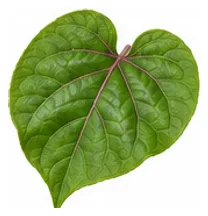
Leaf shape, edges, colour and vein pattern.

Flower colour, structure and where blooms appear.

Fruit, root, seed, pod or the strongest identifying feature.
A quick garden-to-table guide for using Tamarillo after harvest.
Eat only fully coloured ripe flesh by halving the fruit and scooping it out, or peel before slicing. Do not eat unripe fruit, which is slightly toxic. The skin is commonly discarded because it can be bitter.
Poach or bake the peeled flesh, or cook it into tangy sauces, relishes and desserts. Its natural acidity balances sweet and savoury preparations.
Freeze peeled pulp, or make jam, jelly or chutney using a tested recipe. Refrigerate cut fruit and discard any fruit with spreading sunken rot.
Try: Scooped fresh, Tamarillo chutney, Poached tamarillos, Spicy sauce.
No avoid list yet.
Shallow-rooted and brittle: shelter from wind and stake young trees. Short-lived, so replace every 5-8 years.
Create a free account to save your garden layout, personal planting calendar, water and fertiliser schedules, seed inventory and harvest logs.
Create Free Account