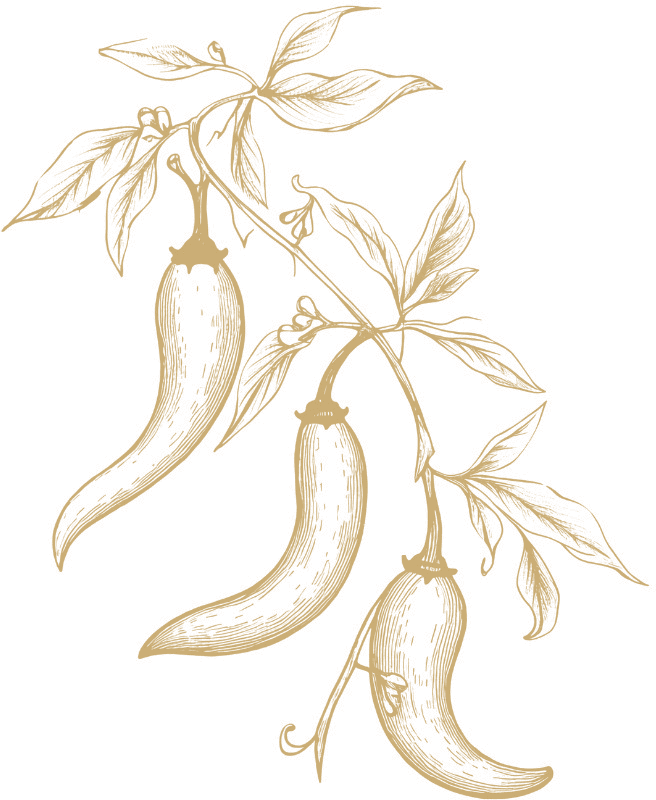

Whole plant
Overall shape, height, branching and growth habit.
Nasturtium officinale
A fast-growing perennial leafy vegetable adapted to cool, clean, continuously moist conditions. It can be grown in containers or beds if the root zone never dries out.

When to sow, plant out and harvest in each climate. Plotera turns this into reminders for your own garden, location and planting dates.
| Climate | Sow | Transplant / Plant | Harvest |
|---|
Watercress is a fast-growing perennial adapted to wet soil and shallow water. Its stems root readily and spread into leafy mats, so a contained growing system is convenient for home gardens. You do not need a natural stream: plants can grow in potting mix kept continuously wet by standing the pot in a water-filled outer container. Clean water and regular maintenance are essential. Avoid harvesting from contaminated waterways or allowing livestock runoff to reach the crop. Watercress generally gives its best flavour during cooler weather, and high temperatures reduce quality. Established plants tolerate repeated cutting and regrow from retained stems. Seed and stem cuttings both work for propagation. Keep the root zone wet throughout growth, provide adequate light and prevent vigorous stems or discarded pieces from escaping into natural waterways.
Use wet, organically rich soil or a moisture-holding potting mix. Preferred pH is 6.5–7.5. Ground beds must remain reliably wet; a pot in a water-filled outer container makes moisture easier to manage.
Pollination does not affect the leafy harvest. Flowers can self-pollinate or receive pollen carried by insects. For seed saving, allow healthy plants to flower and collect mature pods before they split; cuttings are simpler for maintaining an existing plant.
No support is needed. Cut established growth back to about 10 cm and allow it to regrow; contain spreading stems.
Grow from seed or stem cuttings. Cuttings root quickly in consistently wet growing medium.
Grow in a pot standing inside a bucket or other watertight outer container with about 5–8 cm of clean water. Keep the growing medium wet and refresh the water regularly.
Choose true watercress, Nasturtium officinale. Other plants sold as garden cress or upland cress have different growing requirements.
Small white insects gather beneath leaves and fly up when disturbed. Remove heavily infested growth; use a labelled insecticidal soap only if needed.
Leaves become finely flecked, discoloured or scorched. Maintain healthy moisture conditions and conserve predatory insects and mites.
Leaves and shoots develop irregular feeding holes. Inspect plants and remove snails by hand.
Use the coolest available growing conditions; sustained temperatures above about 29 °C reduce quality.
Cool-season growth generally gives better flavour; protect the wet root zone from excessive heating.
Cooler seasons suit it well, but the water supply must remain reliable during dry weather.
Grow through cool spring and autumn conditions, maintaining wet roots during summer.
Plants tolerate cold, but protected containers make harvest and moisture management easier during freezing weather.
Use only with a dependable clean water supply and frequent checks for evaporation.
Overall shape, height, branching and growth habit.

Leaf shape, edges, colour and vein pattern.

Flower colour, structure and where blooms appear.

Fruit, root, seed, pod or the strongest identifying feature.
A quick garden-to-table guide for using Watercress after harvest.
Peppery leaves and tender stems can be used in salads only when grown in clean, potable water and handled hygienically. Avoid eating wild watercress or plants grown in untreated water raw: they can carry liver fluke and other contaminants.
Cook watercress thoroughly for soups, potato dishes or sauces. Grow it in clean water and avoid polluted waterways; cooking does not remove chemical pollutants.
Harvest only what you need when possible, and refrigerate surplus leaves promptly for up to about a week. Use sooner if they begin to wilt or yellow.
Try: Peppery salad, Watercress soup, Potato and watercress mash, Cooked watercress sauce.
No companion data yet.
No avoid list yet.
Harvest tender stem tips regularly once plants are established. Use clean irrigation water and do not harvest from contaminated waterways.
Create a free account to save your garden layout, personal planting calendar, water and fertiliser schedules, seed inventory and harvest logs.
Create Free Account