Whole plant
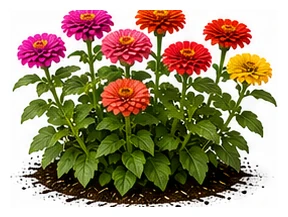
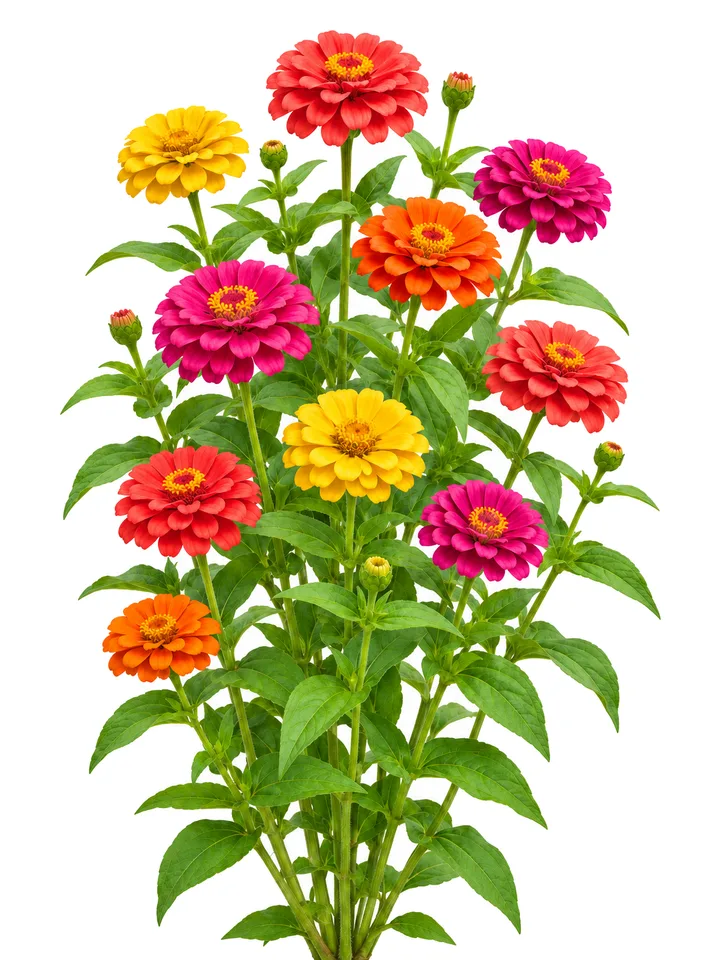
Overall shape, height, branching and growth habit.
Zinnia elegans
Bright, heat-loving annual flower for sun and cutting. Open-centred types with pollen and nectar attract butterflies and bees.
When to sow, plant out and harvest in each climate. Plotera turns this into reminders for your own garden, location and planting dates.
| Climate | Sow | Transplant / Plant | Harvest |
|---|---|---|---|
| Tropical | Jan - Dec | Jan - Dec | Jan - Dec |
| Subtropical | Mar - Oct | Apr - Oct | May - Dec |
| Mediterranean | Mar - Oct | Apr - Oct | May - Dec |
| Temperate | Feb - Apr | May - Jun | Jun - Oct |
| Cool | Mar - May | May - Jun | Jul - Oct |
| Arid | Mar - May | Apr - May | May - Sep |
Zinnia is a fast-growing, frost-tender annual grown for a long display of bright flowers and dependable cutting stems. Plants range from compact edging forms to taller, branching selections, with single, semi-double or densely double flowers. They thrive in warmth and sunshine and can flower through much of the growing season when faded blooms are removed. Open-centred flowers are particularly useful for visiting insects, although pollen and nectar availability differ between selections. Direct sowing is straightforward once soil is warm, while young transplants provide another way to begin a display. Give plants room for air to move between them because crowded foliage is more vulnerable to disease. Water at the base and avoid leaving leaves wet unnecessarily. Grow it as an ornamental rather than a food plant. Zinnias are listed as non-toxic to cats, dogs and horses.
Use well-drained soil with moderate fertility and some compost where needed. A pH of 5.5–7.5 is suitable. Garden beds generally perform better than containers; raised beds help where drainage is poor.
Flower heads contain ray florets and central disc florets, including perfect flowers with male and female parts. Insects, especially butterflies, visit suitable flowers and transfer pollen. Pollination is not needed for cut flowers. For seed saving, retain mature heads from fertile, open-pollinated plants; highly double or hybrid selections may be less useful for this purpose.
Pinch the growing tip to encourage branching where desired. Support tall selections if stems cannot hold heavy flowers or the site is windy. Remove faded blooms throughout the season.
Seed is the usual method. Sow approximately 0.6 cm deep in warm conditions. Stem cuttings can also root and provide additional plants during the growing season.
Choose dwarf or compact selections for pots and window boxes. Use a free-draining mix and leave enough room for airflow; tall varieties generally perform better in beds.
Choose dwarf types for pots, tall branching types for cutting and open-centred, pollen-producing flowers for insects. Where mildew is persistent, look for disease-resistant selections, including suitable interspecific hybrids.
White powder covers leaves and may shorten the display. Choose resistant selections, provide full sun and airflow, and remove heavily affected foliage.
Leaves develop brown or dark patches and may yellow. Water at soil level, remove infected debris and avoid working among wet plants.
Seedlings rot or collapse near soil level. Use clean seed-starting mix, avoid excessive watering and allow the surface to dry slightly between waterings.
Plants wilt and yellow in overly wet soil. Improve drainage, reduce irrigation and remove badly affected plants.
Use full sun, generous airflow and free drainage; humid conditions increase leaf disease pressure.
Grow through warm, frost-free conditions and choose disease-resistant selections for humid weather.
Warmth suits zinnias; provide regular root-zone moisture during dry flowering weather.
Wait for warm soil and the end of frost risk before planting outdoors.
Start plants in warmth and use a sunny, sheltered site to make the most of the short summer.
Established plants tolerate some drying but flower better with dependable watering at the roots.
Overall shape, height, branching and growth habit.
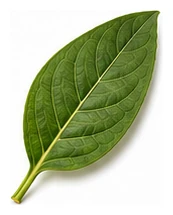
Leaf shape, edges, colour and vein pattern.
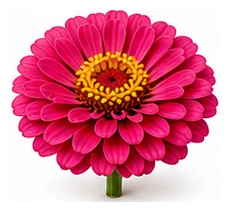
Flower colour, structure and where blooms appear.
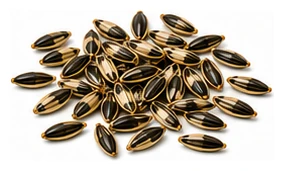
Fruit, root, seed, pod or the strongest identifying feature.
Create a free account to save your garden layout, personal planting calendar, water and fertiliser schedules, seed inventory and harvest logs.
Create Free Account