
Whole plant
Overall shape, height, branching and growth habit.
Capsicum annuum
Hot chilli with long, thin, often curled pods that ripen from green to bright red. Productive and easy to dry for flakes and powder.

When to sow, plant out and harvest in each climate. Plotera turns this into reminders for your own garden, location and planting dates.
| Climate | Sow | Transplant / Plant | Harvest |
|---|---|---|---|
| Tropical | Jan - Dec | Jan - Dec | Jan - Dec |
| Subtropical | Jul - Oct | Sep - Nov | Nov - Mar |
| Mediterranean | Aug - Oct | Oct - Nov | Dec - Mar |
| Temperate | Aug - Oct | Nov - Dec | Jan - Mar |
| Cool | Sep - Oct | Nov - Dec | Jan - Feb |
| Arid | Jul - Sep | Sep - Oct | Nov - Feb |
Cayenne is a productive, bushy chilli grown for its long, narrow pods, which commonly reach about 12 cm and ripen from green to red. The pods have thin walls and medium-hot to very hot flesh, making them particularly easy to dry and grind. Green pods provide a fresher flavour, while fully red pods develop stronger colour and a richer taste. Plants need full sun, warmth and a long frost-free period, but their relatively small fruit cope with temperature fluctuations better than large-fruited peppers. Cayenne is usually treated as an annual, although a healthy plant can live longer if protected from frost and kept warm and bright. Regular picking encourages further flowering. It is a useful choice for small gardens because one compact plant can supply fresh pods through the growing season and a substantial dried harvest. Wear gloves when harvesting or preparing ripe pods, and avoid touching your eyes.
Grow in fertile loam or sandy loam that drains freely but retains some moisture. Incorporate mature compost before planting, especially in light or poor ground. A pH of 6.0-7.0 is suitable, with 6.5-7.0 preferred where practical. Raised beds help where soil is heavy, cold or prone to waterlogging.
Cayenne has complete flowers containing both male and female parts and is mostly self-fertile. Wind movement and visiting insects help move pollen, but one plant can set fruit. Gently tapping flowering stems can improve set in a still protected space. Different Capsicum annuum varieties can cross through insect visits; isolate plants or bag unopened flowers if saving true-to-type seed.
Cayenne generally branches without pruning. Pinching the growing tip can produce a bushier plant but may delay the first harvest. Use a short stake or several canes if the plant sprawls or carries a heavy crop, and tie brittle branches loosely.
Propagate by seed. Save seed only from fully ripe, healthy pods on an open-pollinated plant; isolated or bagged flowers give better varietal purity. Seed from hybrid selections will not reliably reproduce the parent.
Grow one plant in a pot at least 22 cm wide with unobstructed drainage. A larger container holds moisture more steadily and is preferable in hot or windy conditions.
Look for long, thin drying types, thicker-fleshed cayenne types for fresh cooking, early selections for short seasons, and compact or strongly branched selections for containers. Heat varies among lines, so select by intended fresh, dried or powdered use.
Clusters of sap-feeding insects cause curled or distorted leaves and sticky deposits. Check leaf undersides, wash small colonies away, conserve predatory insects and remove badly infested growth.
Small brown leaf spots and raised, scabby fruit marks spread in warm, wet conditions. Start with clean seed or seedlings, water at soil level, avoid handling wet plants, remove infected debris and rotate planting sites.
Ripe pods develop round, sunken lesions that may produce pinkish-orange spores. Pick ripe fruit promptly, remove affected pods, improve airflow and avoid wetting foliage and fruit.
The blossom end becomes tan, sunken and eventually dark. Maintain even soil moisture, mulch the root zone and correct soil calcium or pH only when a soil test shows a deficiency.
Exposed pods develop flat white or tan patches. Maintain a healthy leaf canopy, avoid severe pruning and provide light afternoon shading during extreme heat.
Grow during the less humid, moderately warm part of the year. Temperatures persistently above 30 °C, especially at night, can reduce fruit set.
Plant for the long warm season but avoid the hottest, wettest period where possible. Strong airflow and raised beds reduce humidity-related disease.
Set out after nights warm, mulch to conserve moisture and harvest through the dry warm season. Protect fruit from intense late-season sun.
Start indoors early and transplant after frost when the soil is warm. A sheltered sunny wall or protected structure improves ripening.
Use an early, compact strain in a greenhouse or other warm shelter. Keep nights above about 15 °C for stronger growth and fruiting.
Use mulch and deep, regular irrigation to prevent flower drop and blossom-end rot. Give temporary afternoon shade when fruit is exposed to extreme sun.
Overall shape, height, branching and growth habit.
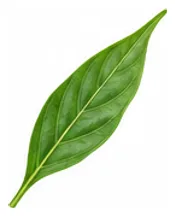
Leaf shape, edges, colour and vein pattern.

Flower colour, structure and where blooms appear.

Fruit, root, seed, pod or the strongest identifying feature.
A quick garden-to-table guide for using Cayenne Chilli after harvest.
Use thin slices sparingly in salsas, relishes and dressings. Fully red pods provide stronger colour and a riper flavour; wear gloves during preparation.
Add fresh or dried cayenne to sauces, stews and marinades, adjusting the amount gradually because heat remains after cooking.
Dry fully red pods until brittle, then store whole, flaked or powdered in an airtight container. Pods can also be frozen or pickled; use a tested process for shelf-stable preserves, as plain peppers require pressure canning.
Try: Dried chilli flakes, Ground cayenne, Chilli oil, Spicy stir-fry.
Create a free account to save your garden layout, personal planting calendar, water and fertiliser schedules, seed inventory and harvest logs.
Create Free Account