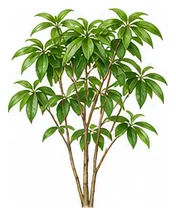
Whole plant
Overall shape, height, branching and growth habit.
Davidsonia jerseyana
Slender rainforest tree with very large compound leaves and clusters of dark purple plums borne straight from the trunk. The fruit is very sour, prized for jams and sauces.
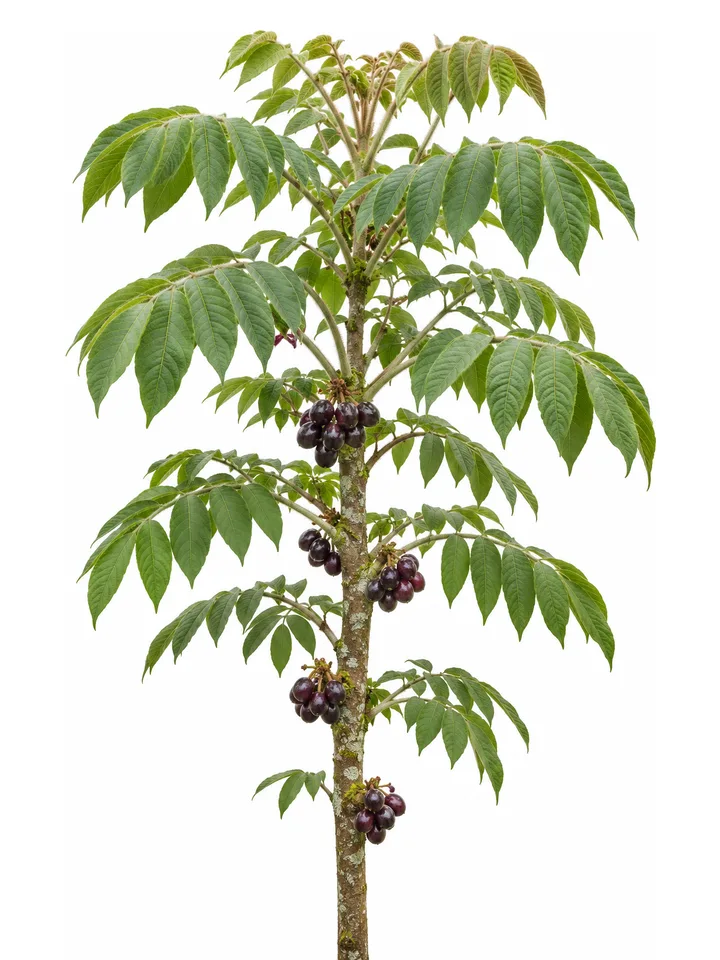
Kernels contain cyanogenic compounds. Do not crack and eat the stones.
When to sow, plant out and harvest in each climate. Plotera turns this into reminders for your own garden, location and planting dates.
| Climate | Sow | Transplant / Plant | Harvest |
|---|---|---|---|
| Tropical | From transplant | Jan - Dec | Dec - Mar |
| Subtropical | From transplant | Sep - Dec | Jan - Apr |
| Mediterranean | From transplant | Sep - Nov | Feb - May |
| Temperate | From transplant | Oct - Nov | Feb - May |
| Cool | Not suitable | Not suitable | Not suitable |
| Arid | Not suitable | Not suitable | Not suitable |
Davidson plum is a slender, often sparsely branched rainforest tree native to eastern Australia. Its enormous divided leaves crown the stems, while small reddish flowers and clusters of dark blue-black fruit emerge directly from the trunk and older wood. This cauliflorous habit creates a striking garden specimen and keeps much of the crop accessible. The deep red flesh is intensely sour rather than sweet, making it especially useful for sauces, desserts and preserves. Cultivated trees are often kept near 5 m, although an unrestrained specimen can reach about 10 m. With mulch, water and moderate feeding, plants may fruit in three to four years; less intensively grown trees can take about five years. Young plants prefer shelter, dependable moisture and protection from hot sun, frost and strong wind. The leaf and stem hairs can irritate skin, so wear gloves when pruning or harvesting. Fresh seed has high viability but should be sown promptly. Correct identification matters because other Davidsonia species differ in growth and reproductive behaviour.
Provide fertile, moisture-retentive but freely drained soil with abundant leaf mould or mature compost. A raised mound is useful where water lingers. Young plants suit a sheltered, dappled-light bed; established trees can accept more sun if roots remain cool and moist. A dependable species-specific pH range is not established, so test the soil and avoid extreme acidity or alkalinity.
The small bisexual flowers are thought likely to use small insects as pollen vectors, but the pollination system remains poorly understood. Exclusion experiments show that a single Davidsonia jerseyana can produce fruit with viable seed without cross-pollination. A second genetically different tree may increase genetic diversity, but hand-pollination is not normally needed.
Stake young plants loosely in exposed sites, then remove the stake once the trunk is stable. Pruning is mainly for access, removal of damaged growth and control of multiple suckering stems. Retain older trunk and branch wood because flowers and fruit arise directly from it; avoid stripping the trunk or heavily lifting the canopy.
Fresh seed is reliable, has no dormancy and commonly germinates quickly under warm conditions, although some seeds take longer. Stem cuttings, root cuttings and carefully separated root suckers can also produce plants and preserve a selected parent's traits. Grafting is not routinely required.
A young tree can be grown in a large, freely draining container, but long-term culture is easier in the ground. Increase the container size as roots fill the mix and shelter the tall leafy crown from wind.
Choose verified Davidsonia jerseyana rather than another Davidsonia species. Cutting-grown or sucker-grown plants repeat the parent tree, while seedlings may vary in branching, fruit size and cropping; select low-branching, productive forms for small gardens.
Leaves yellow, growth stalls and roots may decay where soil remains saturated. Plant on a mound, open blocked drainage and reduce watering until air returns to the root zone.
Large leaves wilt, brown at the edges or collapse in hot dry conditions. Deeply water the root zone, renew mulch and give young plants temporary afternoon shade.
Soft shoots and leaf edges blacken after cold exposure. Grow in a sheltered position, protect young plants during frost and wait for warm active growth before removing damaged tissue.
The large leaves tear and slender stems may lean or snap. Use a sheltered site, stake young plants flexibly and avoid a top-heavy canopy.
Birds, fruit bats and rodents take ripe fruit and seeds. Use wildlife-safe netting before ripening, collect fallen fruit promptly and remove hiding places for rodents.
Provide good airflow, dappled light for young plants and drainage during prolonged rain. Very hot exposed sites can scorch the large leaves.
This is the closest fit to its native rainforest conditions. Shelter young trees, maintain mulch and moisture, and allow more sun as the canopy establishes.
Grow in a protected, partly shaded microclimate with deep summer irrigation and heavy organic mulch. Dry wind is a greater risk than moderate shade.
Use a warm sheltered garden and protect young plants from frost. Established trees may tolerate brief light frost but grow best with a long mild season.
Outdoor growth is marginal; use a large protected container or frost-free structure with bright filtered light. Keep winter soil moist but never saturated.
This rainforest tree is difficult without intensive shelter, shade, mulch and dependable irrigation. Hot wind and low humidity can damage leaves faster than roots can replace water.
Overall shape, height, branching and growth habit.
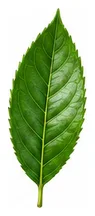
Leaf shape, edges, colour and vein pattern.
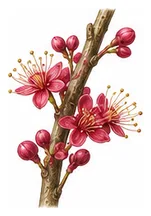
Flower colour, structure and where blooms appear.
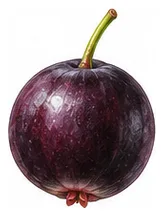
Fruit, root, seed, pod or the strongest identifying feature.
A quick garden-to-table guide for using Davidson Plum after harvest.
Fully ripe flesh is edible but intensely sour, so use small amounts sliced or pureed and remove the stones. Wear gloves if the fruit or surrounding growth is noticeably hairy.
Cook the deep red flesh into sauces, compotes, dessert fillings or savoury glazes, adding sweetness to balance its strong acidity.
Freeze cleaned pulp in measured portions, or prepare jam, jelly or chutney with a tested recipe. Refrigerate cut fruit promptly and discard mouldy or fermented pieces.
Try: Davidson plum jam, Sauce for game, Sour cordial, Sorbet.
No avoid list yet.
Likes shelter and part shade when young; the leaf hairs can irritate skin, so wear gloves.
Create a free account to save your garden layout, personal planting calendar, water and fertiliser schedules, seed inventory and harvest logs.
Create Free Account