Whole plant
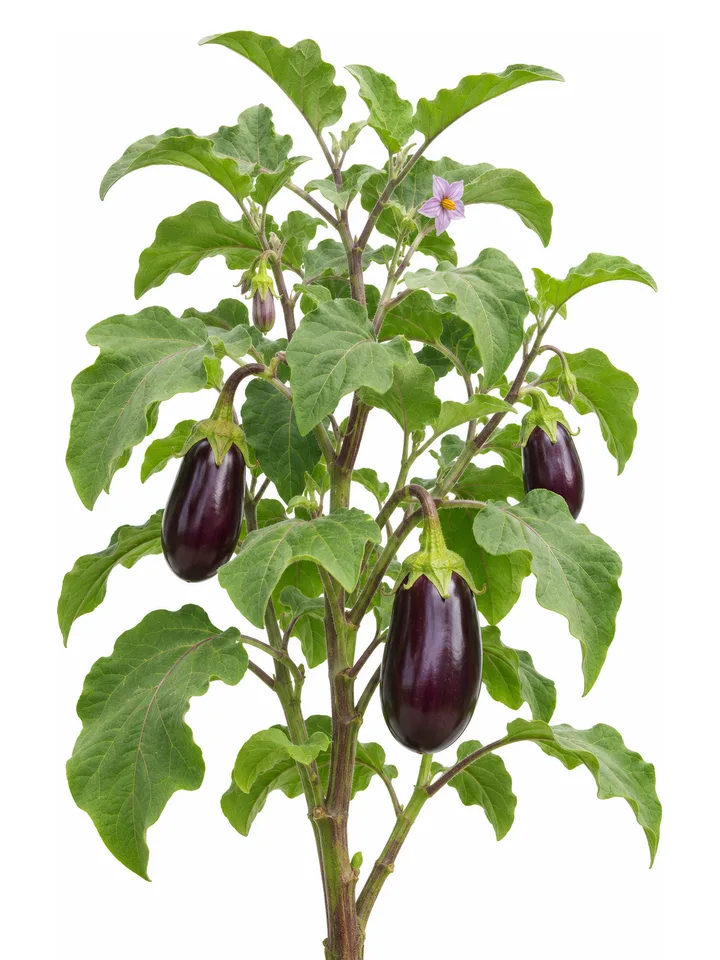
Overall shape, height, branching and growth habit.
Solanum melongena
Glossy purple (or white, striped) fruiting vegetable that loves heat even more than tomatoes. A staple in Mediterranean, Asian and Middle Eastern cooking.
When to sow, plant out and harvest in each climate. Plotera turns this into reminders for your own garden, location and planting dates.
| Climate | Sow | Transplant / Plant | Harvest |
|---|---|---|---|
| Tropical | Jan - Dec | Jan - Dec | Jan - Dec |
| Subtropical | Jul - Oct | Sep - Nov | Nov - Mar |
| Mediterranean | Aug - Oct | Oct - Nov | Dec - Mar |
| Temperate | Sep - Oct | Nov - Dec | Jan - Mar |
| Cool | Oct | Dec | Feb - Mar |
| Arid | Jul - Sep | Sep - Oct | Nov - Feb |
Eggplant is a tender, heat-loving plant grown for fruits harvested before their seeds become hard. Plants form leafy bushes with attractive flowers and glossy fruits that may be purple, white, green or striped. Fruit shape ranges from small and rounded to long and slender. Growing your own gives you access to this variety and lets you pick fruits while their texture is still good. Warm roots, sunshine and a steady supply of moisture are important for a worthwhile harvest. In a short or cool growing season, start with sturdy transplants and choose an early variety, preferably with smaller fruits. A greenhouse or sheltered container can improve the chances of success. Pick regularly once fruits reach the appropriate size and colour for their variety. Glossy skin is a useful harvest sign; dull skin often indicates an over-mature fruit.
Use fertile, well-drained loam enriched with mature compost. A pH of 5.5–7.5 is suitable. Ground beds work well where drainage is good; raised beds or containers help where soil stays cold or wet.
Flowers are perfect, containing male and female parts, and are self-fertile. Bees and flower movement help release pollen. Gently shake open flowers if fruit set is poor under cover; cold or excessive heat can still prevent successful fruit set.
Stake or cage at planting and loosely secure heavy branches as fruits develop. Pinching the main tip at about 30 cm can encourage branching, but extensive pruning is unnecessary.
Usually grown from seed or purchased transplants. Grafted plants are another option where extra vigour is useful.
Use one plant in a pot of at least 20 litres with drainage holes. Compact varieties are easier to manage.
Look for early, small-fruited types for shorter seasons, compact types for pots, and long or rounded fruits according to kitchen preference.
Small holes pepper young leaves. Protect seedlings with insect mesh and inspect beneath it regularly.
Leaves become finely mottled or bronzed, sometimes with webbing. Prevent repeated drying and rinse affected leaf undersides.
Clusters on soft growth cause curling and sticky deposits. Dislodge with water and preserve insect predators.
Provide excellent drainage during wet weather and inspect regularly for sap-sucking pests.
Use a warm growing window and protect young plants from unexpected cold.
Mulch and irrigate through dry summers; temporary shade can help during extreme heat.
Raise transplants indoors and plant into warmed soil after frost.
Choose early, small-fruited types and grow under cover or in a warm, sheltered container.
Use drip irrigation and mulch; consider temporary shade when temperatures exceed about 35 °C.
Overall shape, height, branching and growth habit.
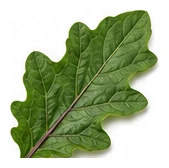
Leaf shape, edges, colour and vein pattern.
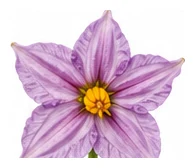
Flower colour, structure and where blooms appear.
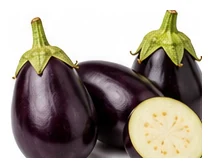
Fruit, root, seed, pod or the strongest identifying feature.
A quick garden-to-table guide for using Eggplant after harvest.
Usually prepared cooked rather than raw; harvest before the seeds harden.
Cook slices or pieces until tender, or fry prepared slices.
Blanch peeled slices briefly in boiling water, cool quickly in iced water, drain and freeze in sealed containers.
Try: Roasted eggplant, Fried slices, Grilled slices, Stuffed eggplant.
Create a free account to save your garden layout, personal planting calendar, water and fertiliser schedules, seed inventory and harvest logs.
Create Free Account