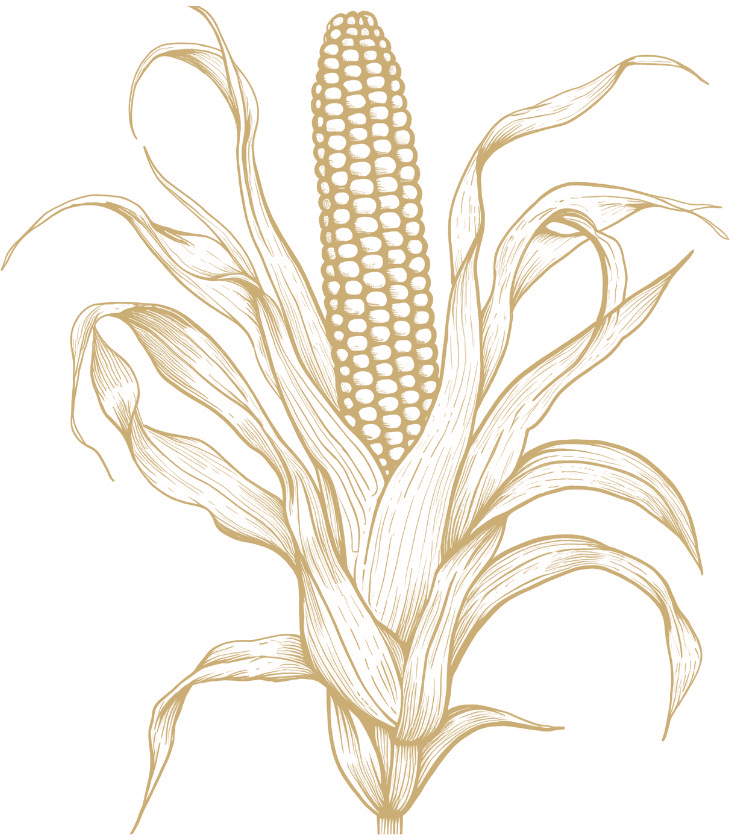

Whole plant
Overall shape, height, branching and growth habit.
Capsicum chinense
Very hot chilli with lantern-shaped, wrinkled pods that ripen to orange or red, with a fruity, floral flavour. Needs a long warm season.
When to sow, plant out and harvest in each climate. Plotera turns this into reminders for your own garden, location and planting dates.
| Climate | Sow | Transplant / Plant | Harvest |
|---|---|---|---|
| Tropical | Jan - Dec | Jan - Dec | Jan - Dec |
| Subtropical | Jul - Oct | Sep - Nov | Nov - Mar |
| Mediterranean | Aug - Oct | Oct - Nov | Dec - Mar |
| Temperate | Aug - Oct | Nov - Dec | Jan - Mar |
| Cool | Sep - Oct | Nov - Dec | Jan - Feb |
| Arid | Jul - Sep | Sep - Oct | Nov - Feb |
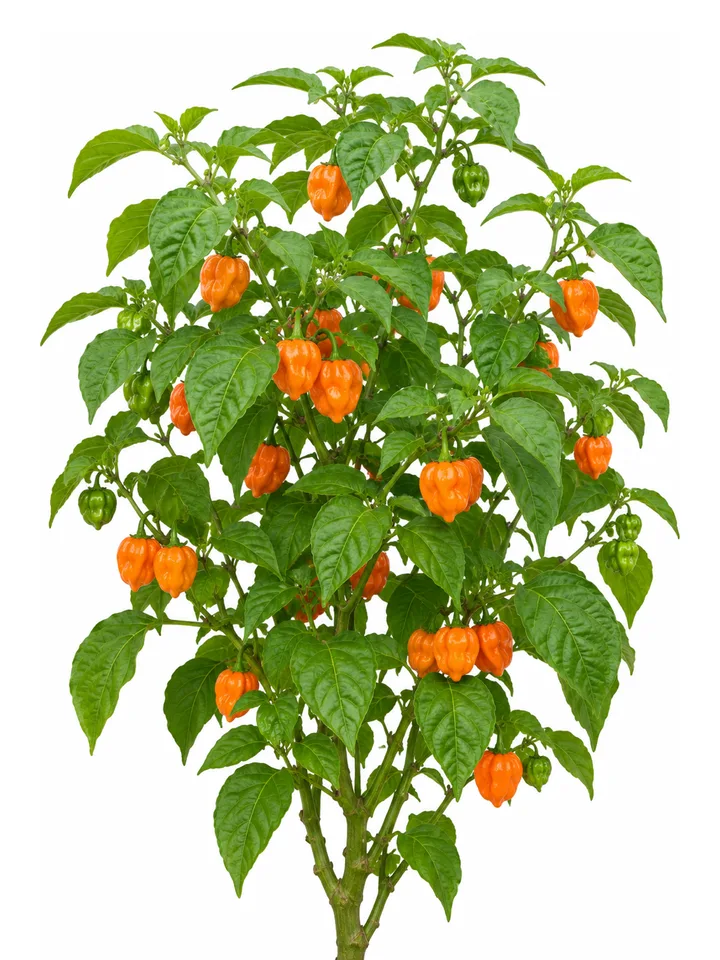
Habanero is a bushy Capsicum chinense chilli valued for intense heat combined with a distinctive fruity, aromatic flavour. Its wrinkled or lantern-shaped pods are generally 2-6 cm long and can mature to orange, red, yellow, brown, white or other colours. It grows more slowly than many Capsicum annuum chillies, so warm seed-starting conditions and a long growing period are important. A plant commonly reaches 50-100 cm and can yield heavily once established. Habanero is frost-tender and usually grown as an annual, but it can be overwintered as a short-lived perennial in a warm, bright place. The pods become more fully flavoured as they colour, although picking some green fruit encourages continued flowering. Even a small harvest goes a long way in the kitchen. Always wear gloves when cutting or deseeding pods, keep hands away from the face and clean tools and work surfaces carefully.
Use fertile, moisture-retentive but freely drained loam or sandy loam with generous mature compost. A pH of 6.0-7.0 is practical, with 6.5-7.0 preferred by general pepper guidance. Raised beds are valuable in heavy or wet ground; containers need an airy potting mix and excellent drainage.
Habanero flowers contain both male and female parts and are mostly self-fertile, so one plant can crop. Wind movement and insects improve pollen transfer, and gently tapping flowering stems may help in a still greenhouse. Insects can cross habanero selections with compatible nearby peppers; bag unopened flowers or isolate plants when saving true-to-type seed.
Habanero naturally forms a bush. Pinching the tip at about 20-30 cm can increase branching but may delay flowering, so it is optional in short seasons. Stake spreading or heavily loaded branches and prune overwintered plants back to a manageable framework before moving them into warm shelter.
Seed is the standard method. Collect seed from fully ripe, healthy pods on isolated open-pollinated plants. Hybrid seed will not remain true to type. Healthy mature plants can instead be overwintered warm and bright, with sparse watering during slow growth.
Use one plant per pot at least 22 cm wide; a 25-30 cm pot is easier to keep evenly moist for a full-sized plant. Drainage holes must remain clear.
Choose orange, red, yellow, white or brown-fruited cultivars for the mature colour wanted, and compare documented flavour and heat for each named selection rather than inferring them from colour. Compact and early selections suit containers or short seasons; low-pungency Capsicum chinense selections provide characteristic fruity aroma with much less heat.
Leaves become sticky, curled or yellowed as colonies feed beneath them. Inspect frequently, wash off early colonies, encourage natural predators and remove heavily infested leaves.
Fine pale stippling, bronzed leaves and delicate webbing develop in hot, dry protected spaces. Raise local humidity without soaking foliage, rinse leaf undersides and remove badly damaged growth.
Soft brown tissue develops fuzzy grey growth in crowded, humid conditions. Increase spacing and ventilation, remove dead leaves and infected fruit promptly, and keep foliage dry.
Brown leaf lesions and rough, raised fruit spots spread through splashing water. Use clean planting material, irrigate at soil level, avoid touching wet plants and clear infected debris.
A dark sunken area forms at the blossom end when calcium movement is disrupted by uneven moisture. Water consistently, mulch and check soil pH and calcium before adding amendments.
Choose a less humid period with nights below 30 °C for better fruit set. Maintain airflow and avoid waterlogged soil.
The long warm season suits habanero, but extreme heat and wet-season humidity can interrupt flowering and encourage disease. Light shade and ventilation help during hot spells.
Start early under protection, transplant after nights warm and irrigate consistently through the dry season. The long sunny finish supports full pod colour.
Begin seed well before outdoor planting and use a sheltered full-sun site or protected structure. Bring plants under cover before cold conditions halt ripening.
Protected cultivation is usually needed because habanero is slow and requires sustained warmth. Choose early or compact selections and keep nights above about 15 °C.
Mulch deeply and irrigate evenly to prevent flower loss and blossom-end rot. Give light afternoon protection when exposed pods risk sunscald.
Overall shape, height, branching and growth habit.
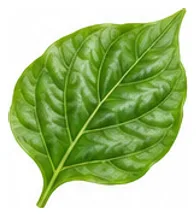
Leaf shape, edges, colour and vein pattern.
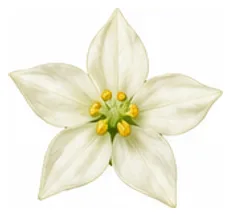
Flower colour, structure and where blooms appear.

Fruit, root, seed, pod or the strongest identifying feature.
A quick garden-to-table guide for using Habanero after harvest.
Use minute amounts in finely chopped salsas, relishes or dressings. Wear gloves and keep the cut surface and juices away from eyes and skin.
A small quantity flavours sauces, stews and marinades with both heat and a fruity aroma. Cooking does not remove the pungency, so add gradually.
Freeze whole or chopped pods, dry them until brittle, or pickle them using a tested recipe. Plain peppers intended for shelf-stable jars require pressure canning.
Try: Fruity hot sauce, Habanero salsa, Pepper jelly, Marinade.
Create a free account to save your garden layout, personal planting calendar, water and fertiliser schedules, seed inventory and harvest logs.
Create Free Account