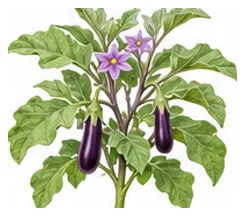
Whole plant
Overall shape, height, branching and growth habit.
Solanum melongena
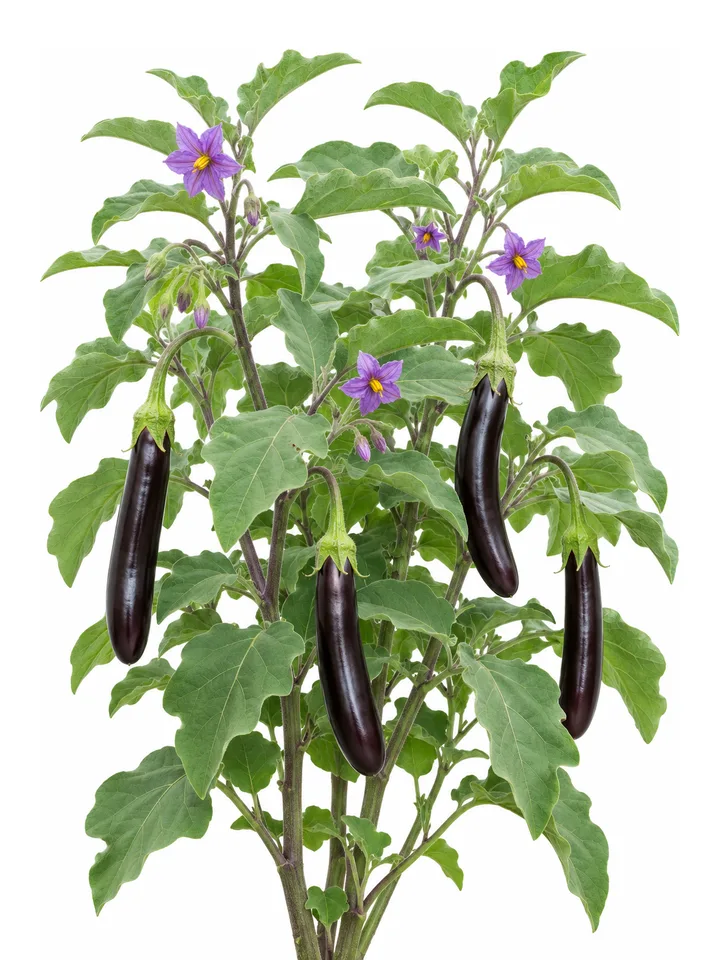
Eggplant with long, slender, glossy dark-purple fruit. Quick to crop and thin-skinned; harvest while glossy and firm before the flesh and seeds become bitter and tough.
When to sow, plant out and harvest in each climate. Plotera turns this into reminders for your own garden, location and planting dates.
| Climate | Sow | Transplant / Plant | Harvest |
|---|---|---|---|
| Tropical | Jan - Dec | Jan - Dec | Jan - Dec |
| Subtropical | Jul - Oct | Sep - Nov | Nov - Mar |
| Mediterranean | Aug - Oct | Oct - Nov | Dec - Mar |
| Temperate | Sep - Oct | Nov - Dec | Jan - Mar |
| Cool | Oct | Dec | Feb - Mar |
| Arid | Jul - Sep | Sep - Oct | Nov - Feb |
Lebanese eggplant is a long-fruited form of Solanum melongena, producing slender, glossy, dark-purple fruit rather than the large rounded fruit associated with standard eggplant. Its thin skin, small seed cavity and tender flesh make it quick to cook, while regular harvesting encourages the bush to keep flowering. It is a heat-loving annual with a deep taproot, woody branching stems and perfect, self-pollinating flowers. Warm soil and a long frost-free season are essential: chilling after transplanting can permanently check growth, while very hot days or unsuitable night temperatures can also reduce flowering. Harvest is based on appearance and texture rather than maximum size. Cut fruit at about 15-20 cm while the skin is glossy, the flesh is firm and the seeds are still soft. A dull surface signals declining quality and possible bitterness. Because the plant can become top-heavy when carrying several fruit, install a stake early and clip rather than pull each fruit from the stem.
Grow in fertile, well-drained loam enriched with mature compost or well-rotted manure. A pH of 5.5-7.5 is suitable, with 5.8-6.5 a useful target. Raised beds improve warmth and drainage in heavy soil; open ground is preferable where summers are warm, while containers suit sheltered patios.
Flowers are perfect and self-pollinating, so one plant can set fruit. Bees can improve pollen transfer and yield, and gently vibrating flowers or using a small brush can help under cover. Seed saved from nearby eggplant varieties may cross, so isolate flowers if maintaining a particular Lebanese selection.
Stake the main stem at planting and add support for heavily laden branches. Pinching the growing tip when the plant is about 30 cm tall can encourage a bushier shape. Small-fruited Lebanese types can carry more fruit than large-fruited forms, so remove only crowded or damaged shoots.
Usually raised from seed. Stem cuttings can root in warmth but are less dependable than seed. Grafted plants are useful where extra vigour or resistance to persistent soil-borne disease is needed.
Grow one plant in a pot at least 30 cm wide, preferably larger in hot climates, with free drainage and a sturdy stake. Containers may need daily moisture checks during hot weather.
Look for standard long dark-purple Lebanese types for 15-20 cm fruit, mini Lebanese selections for earlier picking and containers, or grafted long-fruited plants for extra vigour and soil-disease tolerance.
Adults make numerous small round holes in young leaves and can severely weaken seedlings. Protect young plants with fine mesh, control nearby weeds and keep plants growing strongly.
Leaves become pale, stippled or bronzed, often with fine webbing during hot, dry weather. Increase airflow without allowing severe dryness, wash leaf undersides and remove heavily damaged foliage.
Leaves yellow, curl and wilt as a soil-borne fungus blocks water movement. Remove affected plants, rotate for several seasons and use resistant rootstocks where the problem persists.
Sap-feeders cluster under leaves, causing distortion, sticky residue and reduced vigour. Wash off small colonies, remove badly infested leaves and protect natural enemies.
A dark sunken patch forms at the flower end after water stress interferes with calcium movement. Keep moisture even, mulch warm soil and avoid excessive nitrogen or root damage.
Use the cooler, drier growing period where heat is relentless. Good drainage and airflow reduce root and leaf disease during humid weather.
A long warm season suits this type, but peak heat can reduce flowering. Watch closely for mites in dry spells and leaf disease in humidity.
Plant after the soil warms, then use mulch and deep irrigation through dry weather. Protect exposed fruit from intense afternoon sun by retaining foliage.
Start indoors and transplant only after nights are reliably mild. A warm wall, tunnel or greenhouse improves early growth and harvest length.
Grow under protection and choose early, small-fruited Lebanese selections. Cold soil and nights can stop growth even without frost.
Provide deep regular water, mulch and wind protection. Preserve the leaf canopy to prevent pale sunburn patches on fruit.
Overall shape, height, branching and growth habit.
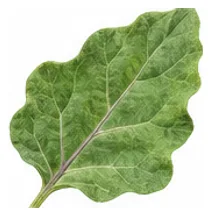
Leaf shape, edges, colour and vein pattern.
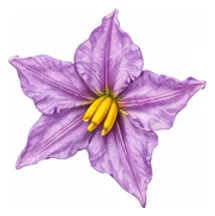
Flower colour, structure and where blooms appear.
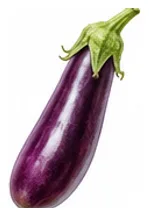
Fruit, root, seed, pod or the strongest identifying feature.
A quick garden-to-table guide for using Lebanese Eggplant after harvest.
Eggplant is normally cooked. Raw eggplant can be bitter, and some people are sensitive to compounds in it, so cooking is the safer default.
Grill, roast, fry, braise or stuff the slender fruit. Its thin skin and narrow shape allow quick, even cooking.
Freeze blanched slices or cooked eggplant. There is no research-based process for home-canning plain eggplant; use only a current tested recipe that specifically includes eggplant.
Try: Grilled halves, Baba ganoush, Stir-fry, Pickled eggplant.
Create a free account to save your garden layout, personal planting calendar, water and fertiliser schedules, seed inventory and harvest logs.
Create Free Account