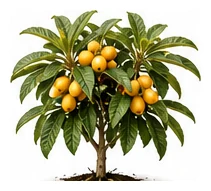
Whole plant
Overall shape, height, branching and growth habit.
Eriobotrya japonica
Evergreen fruit tree producing orange fruit in late winter or spring. Useful in warm temperate gardens.
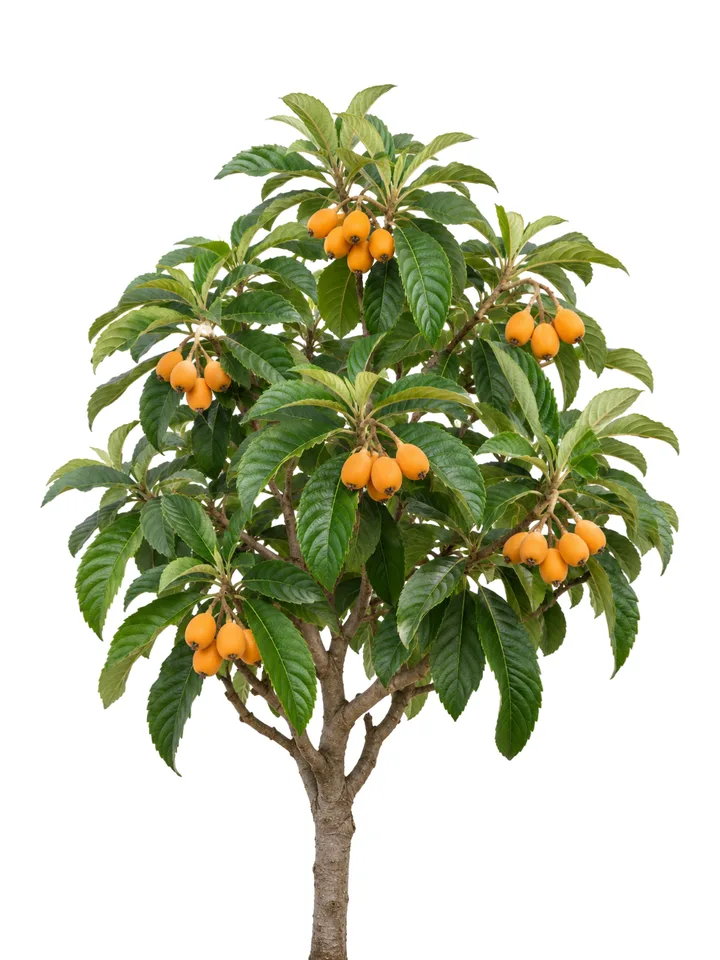
The seeds contain cyanogenic compounds. Eat the fruit flesh only.
When to sow, plant out and harvest in each climate. Plotera turns this into reminders for your own garden, location and planting dates.
| Climate | Sow | Transplant / Plant | Harvest |
|---|---|---|---|
| Tropical | From transplant | Jan - Dec | Jan - Dec |
| Subtropical | From transplant | Mar - Sep | Jan - Dec |
| Mediterranean | From transplant | Mar - May | Jun - Nov |
| Temperate | From transplant | Mar - May | Jun - Oct |
| Cool | From transplant | Mar - May | Jul - Oct |
| Arid | From transplant | Mar - May | Jun - Nov |
Loquat is an evergreen tree with large textured leaves, fragrant white flowers and clusters of juicy yellow to orange fruit. Its unusual season is part of its appeal: flowering commonly occurs in autumn and early winter, with fruit developing through the cool season and ripening towards spring. The tree itself tolerates substantially more cold than its flowers and young fruit, so a healthy ornamental tree may still fail to crop where winter frosts occur. A named grafted variety gives more predictable fruit quality and a much shorter wait than a seedling. Selective pruning can keep the canopy reachable, and thinning crowded clusters improves fruit size and reduces strain on branches. The sweet to tart flesh is enjoyable fresh or cooked. Remove the large seeds before eating or processing the fruit.
Use freely drained fertile loam, sandy soil or well-structured clay. Slightly acidic conditions are preferred, although trees tolerate a range of soil reactions. Maintain organic matter with surface mulch. Ground planting is simplest; use a broad mound where water otherwise collects.
Flowers are perfect, with male and female parts. Many varieties are self-fertile, but another compatible variety can improve fruit set and size. Bees and other insects pollinate the flowers. Confirm the chosen variety’s requirements, particularly where space allows only one tree.
Train a strong open framework and selectively shorten growth to keep fruit reachable. Thin branches to admit light and reduce heavy fruit loads. After frost damage, wait for new shoots to reveal which wood has survived before pruning.
Grafting or budding preserves named varieties and gives earlier crops. Sow fresh seed for seedlings, accepting variable fruit and a long juvenile period. Cuttings and air layering are possible but more difficult.
Use a pot at least 45–50 cm in diameter for a restricted plant, increasing it as necessary. Choose a compact or dwarfing-rootstock tree and prune to match the available root space.
Choose named fruiting types for flesh colour, sweetness, fruit size and seed proportion. Prefer verified self-fertile types for single-tree gardens and compact grafted forms where space is limited.
Flowers and shoots blacken and die back. Remove infected growth well below visible damage, disinfect tools between cuts and avoid excessive nitrogen.
Larvae damage the flesh and fruit may rot. Bag developing clusters and remove infested or fallen fruit promptly.
Flowers brown and young fruit stops developing after freezing weather. Use a warm sheltered site and protect reachable clusters during cold spells.
Continuous vigorous growth can interfere with flowering; choose locally proven varieties and suitable cooler conditions.
Cool but frost-free winters followed by spring warmth suit fruiting.
Generally well suited; irrigate during fruit development and prolonged drought.
The tree may grow well, but winter frost can destroy flowers and developing fruit.
Expect mainly ornamental value outdoors unless flowers and fruit receive winter protection.
Water during fruit enlargement and prolonged dryness; extreme heat can reduce growth.
Overall shape, height, branching and growth habit.
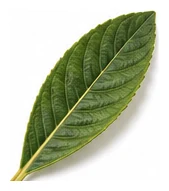
Leaf shape, edges, colour and vein pattern.
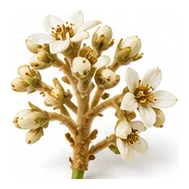
Flower colour, structure and where blooms appear.
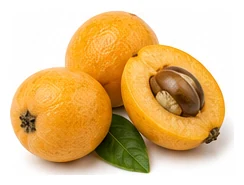
Fruit, root, seed, pod or the strongest identifying feature.
A quick garden-to-table guide for using Loquat after harvest.
Eat ripe flesh fresh, peeling if preferred. Remove and discard all seeds; do not eat or crush them.
Use deseeded flesh in pies, sauces or cooked desserts.
Freeze peeled, deseeded fruit, or make jelly using a tested preservation recipe.
Try: Fresh fruit, Pie, Sauce, Jelly.
No avoid list yet.
Flowers in cool weather; protect young fruit from severe frost.
Create a free account to save your garden layout, personal planting calendar, water and fertiliser schedules, seed inventory and harvest logs.
Create Free Account