Whole plant
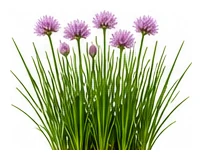
Overall shape, height, branching and growth habit.
Allium schoenoprasum
Mild-flavoured perennial herb with grass-like leaves. One of the easiest herbs to grow. Excellent edging plant that deters aphids and attracts pollinators when flowering.
When to sow, plant out and harvest in each climate. Plotera turns this into reminders for your own garden, location and planting dates.
| Climate | Sow | Transplant / Plant | Harvest |
|---|---|---|---|
| Tropical | Jan - Dec | Jan - Dec | Jan - Dec |
| Subtropical | Mar - Sep | Mar - Sep | Jan - Dec |
| Mediterranean | Feb - Sep | Feb - Sep | Jan - Dec |
| Temperate | Feb - Sep | Feb - Sep | Jan - Dec |
| Cool | Feb - Aug | Feb - Aug | Jan - Dec |
| Arid | Mar - Sep | Mar - Sep | Jan - Dec |
Chives are hardy perennial herbs that form clumps of narrow, hollow leaves with a mild savoury flavour. They are useful for gardeners who want small, regular harvests rather than a large seasonal crop. A clump fits comfortably into an herb bed, border or container, and returns for repeated harvests when growing conditions are suitable. Rounded flower heads add ornamental interest and attract pollinating insects. Harvest leaves with scissors and allow fresh growth to replace them; established clumps tolerate repeated cutting better than young seedlings. Growth is strongest with adequate moisture and fertile, well-drained soil. In cold weather the foliage can die back, then return as conditions improve. Divide crowded clumps periodically to maintain vigour and create new plants, keeping some divisions close to the kitchen for convenient picking.
Use fertile, moisture-retentive but well-drained soil rich in mature organic matter, with pH 6.0–7.0. Chives adapt to several textures. Grow in ground, a raised bed where drainage is poor, or containers with free-draining potting mix.
Pollination is unnecessary for leaf harvests. The flowers contain male and female parts, with pollen shed before the female stage is receptive; bees and flies help transfer pollen. For seed saving, let several plants flower and isolate varieties of the same species; division preserves a chosen clone.
No staking is needed. Cut foliage back to about 5 cm after flowering for a fresh flush, and remove tough spent flower stalks at the base.
Grow from seed or divide established clumps in spring or autumn. Replant divisions promptly at their previous depth.
Use a pot at least 20 cm wide and deep, with drainage holes. Divide or repot when the clump becomes crowded.
Choose common hollow-leaved chives for this crop. White-flowered forms offer ornamental variety, and rust resistance is useful where disease recurs.
Clusters of insects cause distorted, sticky growth. Wash off small colonies and inspect tender regrowth.
Raised orange spots develop on leaves. Remove badly affected foliage, improve air movement and avoid prolonged leaf wetness.
Leaves turn pale or brown and may carry grey-purple growth in humid conditions. Improve spacing and water the soil rather than foliage.
Growth slows and harvestable leaves become sparse. Water the root zone thoroughly and mulch to retain moisture.
Use the coolest available growing conditions; persistent heat is less suitable for common chives.
Expect strongest growth in cooler periods and provide some shelter from intense heat.
Water during dry weather and use partial shade where summer exposure is harsh.
Harvest through active growth and allow winter dormancy.
Cold tolerance makes established clumps useful, although foliage is unavailable during dormancy.
Use mulch and regular irrigation for productive leaves, particularly in containers.
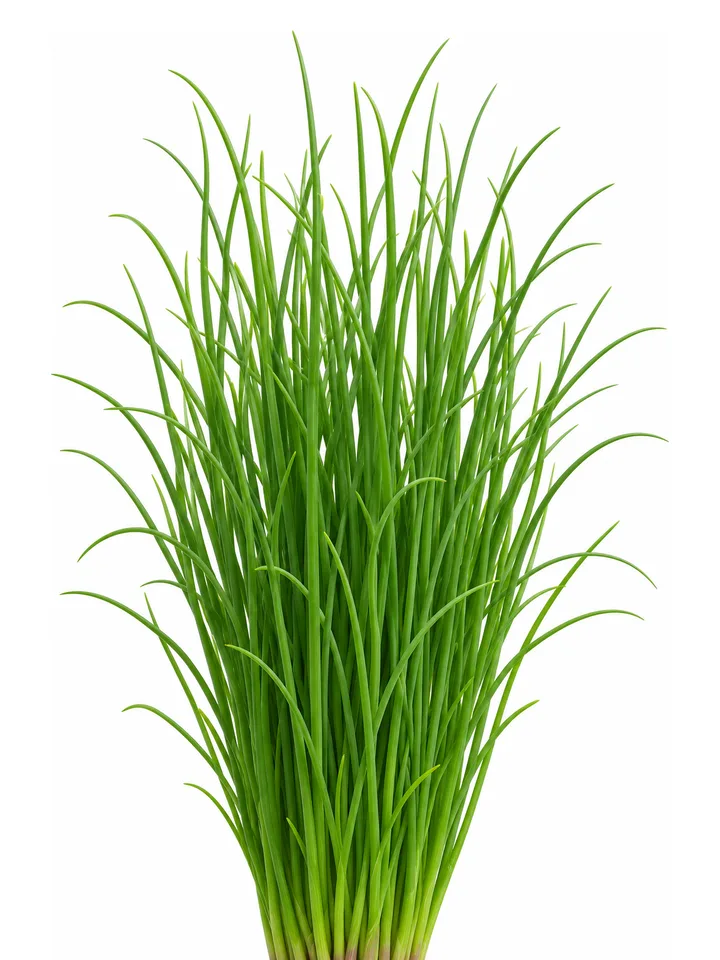
Overall shape, height, branching and growth habit.
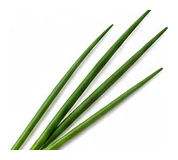
Leaf shape, edges, colour and vein pattern.
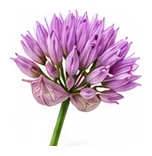
Flower colour, structure and where blooms appear.
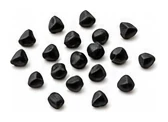
Fruit, root, seed, pod or the strongest identifying feature.
A quick garden-to-table guide for using Chives after harvest.
Finely snip washed leaves over salads, dips and dressings. Freshly opened flowers can be separated into small florets for garnish.
Add near the end of cooking or scatter over finished dishes, as prolonged heat weakens the flavour.
Freeze chopped leaves for later use. Drying is possible, but fresh or frozen leaves retain their flavour better.
Try: Snipped garnish, Chive dip, Salad dressing, Flower garnish.
Create a free account to save your garden layout, personal planting calendar, water and fertiliser schedules, seed inventory and harvest logs.
Create Free Account