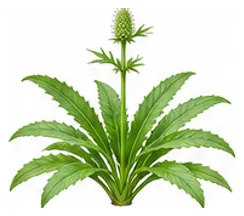
Whole plant
Overall shape, height, branching and growth habit.
Eryngium foetidum
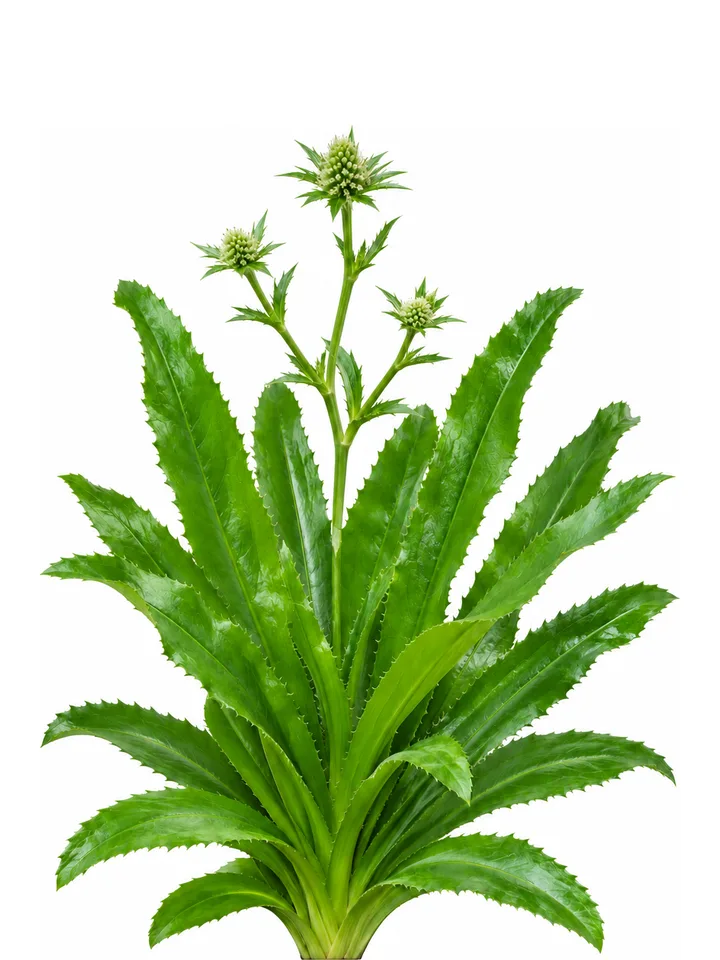
Low rosette herb with long, saw-toothed leaves and a strong coriander flavour. Unlike coriander, it loves heat and keeps cropping through warm weather.
When to sow, plant out and harvest in each climate. Plotera turns this into reminders for your own garden, location and planting dates.
| Climate | Sow | Transplant / Plant | Harvest |
|---|---|---|---|
| Tropical | Jan - Dec | Jan - Dec | Jan - Dec |
| Subtropical | Sep - Dec | Sep - Dec | Nov - May |
| Mediterranean | Aug - Oct | Oct - Dec | Dec - Apr |
| Temperate | Sep - Oct | Nov - Dec | Jan - Mar |
| Cool | Oct - Nov | Dec | Jan - Mar |
| Arid | Sep - Nov | Sep - Nov | Nov - Apr |
Mexican coriander, also called culantro or saw-leaf herb, is Eryngium foetidum rather than true coriander. It forms a low rosette of long, toothed leaves with a much stronger, more persistent coriander-like aroma. Native to the tropics from Mexico southwards, it is adapted to warm, moist conditions and performs best in partial or bright shade, making it useful when true coriander quickly flowers in heat. Depending on climate and growing conditions, it may behave as a biennial or short-lived perennial, and self-seeding can keep a patch going. The cream-coloured flower heads rise on stiff, spiny-bracted stalks; removing these stalks directs growth back into leaves. Seed is slow and sometimes uneven to germinate, so patience and steady surface moisture are important. Harvest the oldest outer leaves at their bases while leaving the central rosette intact. The leaves are tougher than true coriander and are normally chopped finely. Plants can grow in pots, but in suitable garden ground they often crop for longer and may reseed freely.
Grow in moist, well-drained, light soil rich in organic matter. Aim for pH 5.5–6.5, adjusting lime and fertiliser according to a soil test. Keep the root zone moist but do not leave it waterlogged.
The small flowers are bisexual, and seed production can occur through self-pollination. Pollination does not matter for the leaf harvest. For seed, leave selected flower stalks to mature fully; open-pollinated plants may self-seed readily, while removing all stalks prevents seed production.
No support is needed for the basal rosette. Cut flower stalks at their bases to prolong leafy growth; their bracts can be sharp, so handle mature stalks carefully.
Usually propagated by seed. Established clumps or rosettes can also be lifted and transplanted, but seed is the main method and may take several weeks to emerge.
Use at least a 20 cm diameter container for one rosette, based on its close field spacing, with enough depth for a branched root system. Keep it in bright shade and use a moisture-retentive, freely draining mix.
Named cultivars are uncommon. Look for broad-leaved, uniform open-pollinated lines; compact selections for containers; and slow-bolting or less-spiny selections where available. Select seed from productive plants with strong aroma and delayed flowering.
Seedlings may take several weeks to appear and can be mistaken for weeds. Use fresh seed, sow shallowly, label the site and keep the surface evenly moist.
A stiff flowering stalk develops and leaf production slows. Increase shade, prevent drought stress and cut the stalk at its base.
Leaves bleach, brown or collapse in intense sun and dry soil. Move containers into bright shade and restore steady moisture.
Growth stalls and lower leaves yellow when air is excluded from the root zone. Improve drainage and allow excess water to escape while retaining general moisture.
Young leaves develop ragged holes in damp shaded sites. Remove hiding places, inspect at night and hand-pick pests.
This is the most natural fit: provide partial shade, steady moisture and airflow. It can grow through warm conditions and may reseed.
Grow in bright shade and protect from dry heat or cold snaps. Flower-stalk removal extends leaf production.
Irrigated shade is essential during hot, dry conditions. Growth may slow or stop in cold weather.
Treat as a warm-season annual or container herb and start seed under warmth. Move plants outside only after frost risk has passed.
Grow under cover or indoors with warmth and strong filtered light. The outdoor season may be too short for dependable seed production.
Use deep shade during the hottest part of the day, wind protection and a moisture-retentive mix. Frequent monitoring is necessary because drought quickly reduces leaves.
Overall shape, height, branching and growth habit.
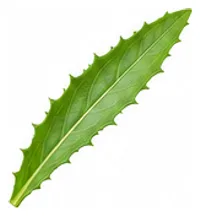
Leaf shape, edges, colour and vein pattern.
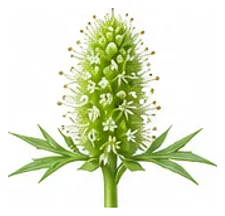
Flower colour, structure and where blooms appear.

Fruit, root, seed, pod or the strongest identifying feature.
A quick garden-to-table guide for using Mexican Coriander after harvest.
Finely chop the strong, firm leaves into salsas, relishes, chutneys and cold sauces. Use sparingly at first because the flavour is concentrated.
Add chopped leaves to soups, stews, rice dishes and sauces during cooking; the aroma tolerates heat better than many soft herbs.
Freeze chopped leaves in small portions to retain their flavour. Fresh leaves store poorly, so harvest only what is needed or freeze them promptly.
Try: Pho garnish, Sofrito, Green chutney, Herb salad.
No avoid list yet.
Grow in part shade and keep moist; pinch out flower stalks to keep leaves coming.
Create a free account to save your garden layout, personal planting calendar, water and fertiliser schedules, seed inventory and harvest logs.
Create Free Account