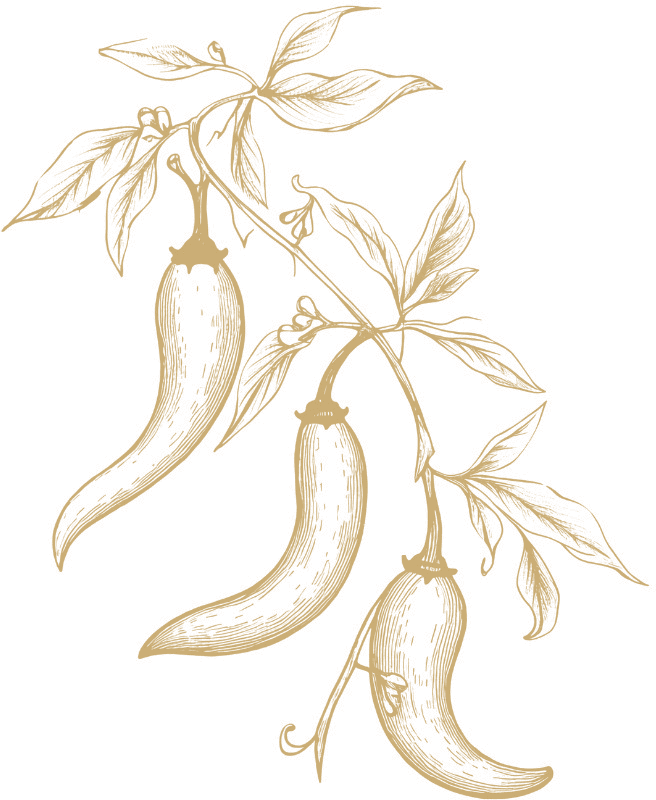

Whole plant
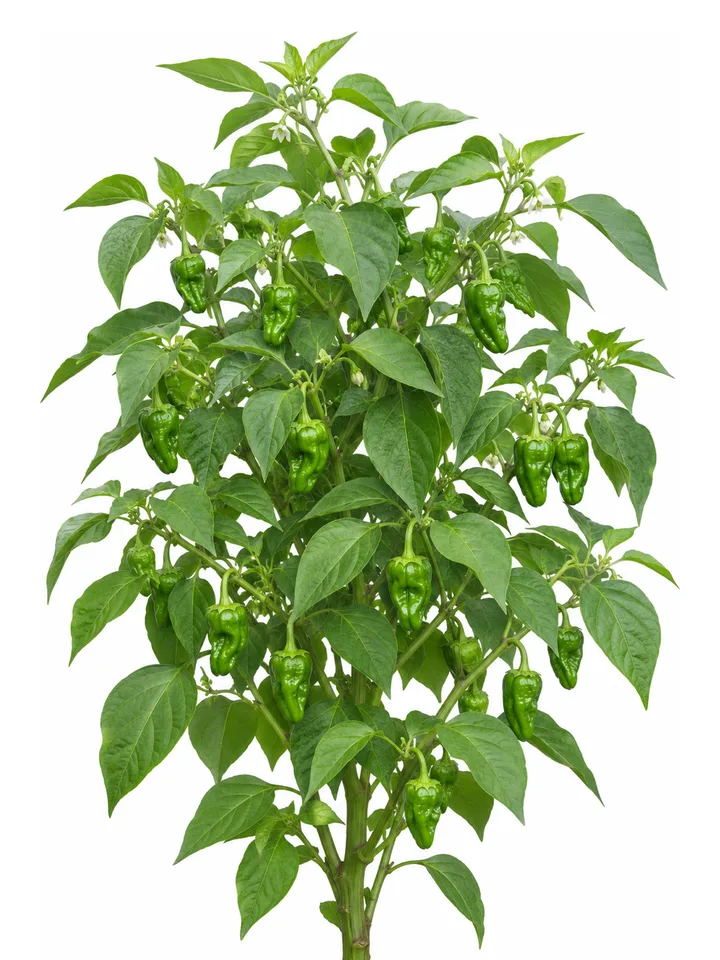
Overall shape, height, branching and growth habit.
Capsicum annuum
Bushy pepper picked small and green for blistering in a hot pan. Most pods are mild, but the odd one is hot, and heat rises as pods grow.
When to sow, plant out and harvest in each climate. Plotera turns this into reminders for your own garden, location and planting dates.
| Climate | Sow | Transplant / Plant | Harvest |
|---|---|---|---|
| Tropical | Jan - Dec | Jan - Dec | Jan - Dec |
| Subtropical | Jul - Oct | Sep - Nov | Nov - Mar |
| Mediterranean | Aug - Oct | Oct - Nov | Dec - Mar |
| Temperate | Aug - Oct | Nov - Dec | Jan - Mar |
| Cool | Sep - Oct | Nov - Dec | Jan - Feb |
| Arid | Jul - Sep | Sep - Oct | Nov - Feb |
Padrón is an upright, compact frying pepper grown for small green pods that are usually harvested at about 4-5 cm. The young fruit is generally mild, thin-walled and tender enough to cook whole, although heat varies naturally from pod to pod. If left on the plant, the fruit grows larger and eventually ripens red; later, larger pods are more likely to have stronger heat and a tougher texture. Frequent harvesting at the green stage is therefore central to both eating quality and continued production. Plants prefer full sun, warmth and a sheltered position and are well suited to containers. They are frost-tender and normally grown for one season. Padrón needs the same steady moisture and fertile, well-drained soil as other peppers, but its small fruit can mature relatively quickly once flowering begins. Expect a succession of pods rather than one harvest, and inspect plants every few days so fruit does not outgrow the preferred small green stage.
Grow in fertile sand or loam that is moist but freely drained. Add mature compost to poor ground and use a raised bed if drainage is slow. A pH of 6.0-7.0 is suitable, preferably around 6.5. Container compost should hold moisture without becoming waterlogged.
Padrón has complete, mostly self-fertile flowers, so one plant can produce pods. Air movement and insects improve pollen transfer; gently tap flowering stems in still protected spaces. Insects may carry pollen between compatible pepper varieties, so isolate plants or bag unopened flowers for true-to-type seed saving.
Pinching the tip can encourage branching, although it may delay fruiting. Compact plants often support themselves, but a short stake helps when the crop is heavy. Tie stems gently because mature pepper branches break easily.
Propagate by seed. For seed saving, allow selected pods to become fully ripe and use an isolated open-pollinated plant. Do not expect hybrid seed to reproduce the same plant.
Grow one plant in a pot at least 22 cm wide. Use a stable, freely draining container and check it frequently in hot weather.
Choose traditional open-pollinated green-fruited lines for seed saving, compact selections for pots, and early selections for short seasons. Lines differ in plant height and heat variability, so select for small-pod quality and reliable mildness if that is the priority.
Colonies gather on tips and beneath leaves, causing curling and sticky deposits. Wash off small colonies, encourage predators and remove badly infested shoots.
Pale stippling, bronzing and fine webbing appear during hot dry conditions. Rinse leaf undersides, reduce heat stress and remove severely damaged foliage.
Soft decaying tissue develops fuzzy grey growth in humid crowded conditions. Improve ventilation and spacing and remove infected fruit or leaves immediately.
Young pods develop a dark sunken patch at the blossom end. Maintain even moisture, mulch and correct pH or calcium only after soil testing.
Brown leaf lesions and raised pod spots spread with splashing water. Use clean seed, water at soil level and remove infected debris.
Grow during the milder, less humid period and harvest frequently. Nights above 30 °C can reduce fruit set.
The long warm season supports repeated picking, but extreme heat may make set erratic. Use ventilation, light shade and raised beds during humid weather.
This pepper suits a warm dry season when irrigation remains consistent. Pick young fruit before intense heat accelerates enlargement.
Start under cover and transplant after frost. A warm sheltered patio or protected structure gives the most reliable crop.
Choose an early line and grow in a greenhouse or other warm shelter. Keep nights above about 15 °C where possible.
Mulch and irrigate regularly because small pots dry quickly. Protect exposed fruit from severe afternoon sun.
Overall shape, height, branching and growth habit.
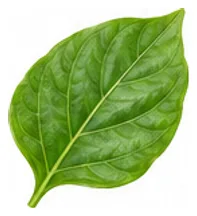
Leaf shape, edges, colour and vein pattern.

Flower colour, structure and where blooms appear.

Fruit, root, seed, pod or the strongest identifying feature.
A quick garden-to-table guide for using Padrón Pepper after harvest.
Very young pods can be thinly sliced into salads or relishes, although their best texture is usually achieved with brief cooking.
Cook small green pods whole over high heat until blistered and tender. Larger or red pods can be chopped into sauces but may be hotter.
Freeze blistered pods or pickle small firm fruit using a tested recipe. Dry only fully ripe pods until brittle.
Try: Blistered with sea salt, Tapas, Grilled peppers, Omelette.
Create a free account to save your garden layout, personal planting calendar, water and fertiliser schedules, seed inventory and harvest logs.
Create Free Account