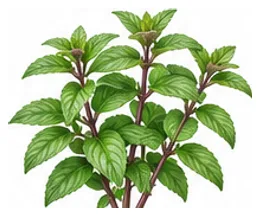
Whole plant
Overall shape, height, branching and growth habit.
Mentha × piperita
Strong, cooling mint with smooth, dark green pointed leaves on purple-tinged stems. The classic mint for tea.
When to sow, plant out and harvest in each climate. Plotera turns this into reminders for your own garden, location and planting dates.
| Climate | Sow | Transplant / Plant | Harvest |
|---|---|---|---|
| Tropical | Jan - Dec | Jan - Dec | Jan - Dec |
| Subtropical | Jan - Dec | Jan - Dec | Jan - Dec |
| Mediterranean | Feb - Oct | Feb - Oct | Mar - Nov |
| Temperate | Mar - Oct | Mar - Oct | Apr - Nov |
| Cool | Mar - Sep | Mar - Sep | Apr - Oct |
| Arid | Mar - Oct | Mar - Oct | Apr - Nov |
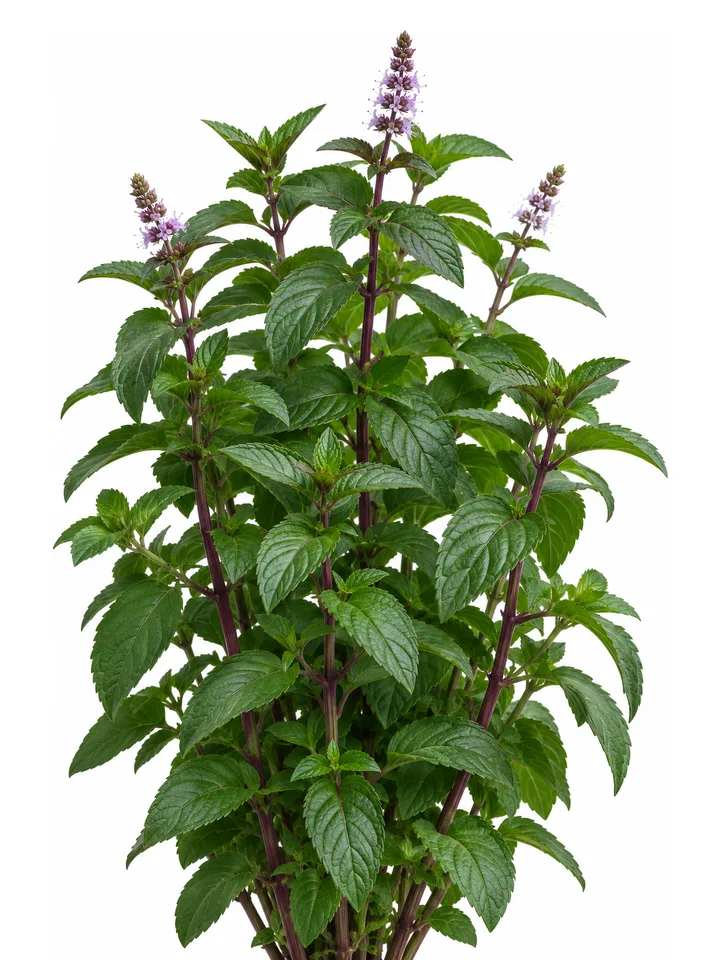
Peppermint is a vigorous perennial hybrid, Mentha × piperita, valued for dark green leaves, purple-tinged stems and a strong cooling aroma created by its high menthol content. It commonly reaches 30–90 cm and spreads rapidly through underground rhizomes, so it is far easier to manage in a large container than loose in a garden bed. Peppermint is normally sterile and does not produce useful seed; plants sold as true peppermint should be clones propagated from divisions, runners or cuttings. It prefers moist, organically enriched, well-drained soil in full sun or partial shade. Regular harvesting keeps the stems leafy and tender, while cutting back after flowering renews the clump. Its pale purple flowers still provide nectar for visiting insects even though seed formation is normally absent. The foliage is especially suitable for infusions and strongly flavoured dishes, and it can be dried successfully before full flowering. A well-contained plant can remain productive for years if divided when crowded and not allowed to become waterlogged.
Grow in rich, moist but freely drained soil, ideally around pH 6.0–7.5. Incorporate mature compost and avoid sites that remain saturated. Containers or physically bounded beds are strongly preferred because rhizomes spread aggressively.
Peppermint flowers contain reproductive structures and attract bees, but the hybrid is normally sterile and does not produce viable seed. Pollination therefore has no practical role in leaf production or propagation, and hand-pollination is not useful.
No staking is normally required. Harvest or shear stems regularly, then cut old growth to about 5 cm after flowering. Remove wandering runners and divide congested clumps.
Use division, rooted runners or soft stem cuttings. True peppermint is a sterile hybrid and should not be raised from seed.
Use a container 30–40 cm in diameter and at least 25 cm deep. Keep it on paving or inspect drainage holes so rhizomes cannot escape into the ground.
Black peppermint types have darker stems and a particularly strong menthol character; white peppermint types are paler and often milder. Compact and variegated clonal sports suit ornamental containers but should still be contained.
Orange or dark pustules appear beneath leaves, followed by yellowing and distorted shoots. Remove infected stems, improve airflow and avoid carrying infected soil or divisions into clean pots.
White powder develops on foliage, especially in crowded plants with dry roots. Thin the clump, water consistently at soil level and remove badly affected growth.
New leaves curl or show sticky residue and pale speckling. Wash pests off, prune infested tips and preserve natural predators.
Leaves become finely stippled or bronzed, with fine webbing in hot dry conditions. Increase root-zone moisture, rinse leaf undersides and remove badly damaged stems.
Stems yellow and collapse in soggy medium. Improve drainage, reduce watering and propagate clean healthy tips before the crown is lost.
Grow with partial shade, strong airflow and careful drainage. Renew plants from healthy cuttings when prolonged humidity weakens the crown.
Morning sun and afternoon shade reduce heat stress. Cut plants back when stems become coarse and allow clean new growth.
Regular irrigation is essential through the dry season. A contained pot prevents rhizomes entering nearby irrigated soil.
Plants grow vigorously through the mild seasons and commonly die back before reshooting from rhizomes.
Use full sun and protect exposed containers from prolonged hard freezing. Growth resumes when soil warms.
Provide afternoon shade, a large moisture-retentive container and frequent deep watering without leaving the pot waterlogged.
Overall shape, height, branching and growth habit.
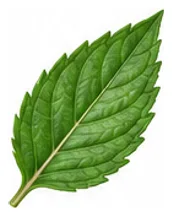
Leaf shape, edges, colour and vein pattern.
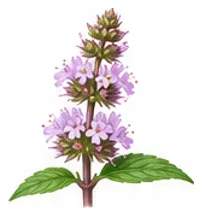
Flower colour, structure and where blooms appear.
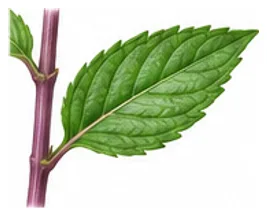
Fruit, root, seed, pod or the strongest identifying feature.
A quick garden-to-table guide for using Peppermint after harvest.
Use young leaves in cold drinks, fruit dishes, desserts and garnishes when a strong cooling flavour is wanted.
Infuse leaves in hot water, sauces, syrups or desserts, then remove them if a smooth texture is preferred.
Dry leaves just before heavy flowering or freeze them in water. Store fully dried leaves airtight and away from light.
Try: Peppermint tea, Chocolate desserts, Mint syrup, Iced drinks.
Create a free account to save your garden layout, personal planting calendar, water and fertiliser schedules, seed inventory and harvest logs.
Create Free Account