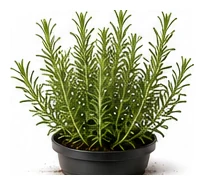
Whole plant
Overall shape, height, branching and growth habit.
Salvia rosmarinus
Evergreen woody shrub with aromatic needle-like leaves. Drought tolerant once established; plants become woody with age and are often best replaced with a young plant or rooted cutting after seven or eight years. Mediterranean origin — thrives in poor, well-drained soil.
When to sow, plant out and harvest in each climate. Plotera turns this into reminders for your own garden, location and planting dates.
| Climate | Sow | Transplant / Plant | Harvest |
|---|---|---|---|
| Tropical | Jan - Dec | Jan - Dec | Jan - Dec |
| Subtropical | Jan - Dec | Jan - Dec | Jan - Dec |
| Mediterranean | Feb - Oct | Feb - Oct | Jan - Dec |
| Temperate | Mar - Sep | Mar - Sep | Jan - Dec |
| Cool | Mar - Aug | Mar - Aug | Jan - Dec |
| Arid | Mar - Oct | Mar - Oct | Jan - Dec |
Rosemary is an evergreen woody shrub grown for its aromatic, narrow leaves and attractive flowers. It provides structure as well as useful harvests, with upright forms suitable for borders and lower, trailing forms useful around container edges. Established plants tolerate dry conditions, but their roots need air and are easily damaged by prolonged wetness. A sunny position and reliable drainage matter more than rich soil. Starting with a young plant or rooted cutting gives a useful harvest much sooner than growing from seed. Pick modest amounts of leafy shoot growth and trim regularly to maintain a compact shrub. Without pruning, plants can become bare and straggly at the base. Cold tolerance varies with the plant and growing conditions, so gardeners with severe winters should plan a bright, protected overwintering position.
Use light, freely draining sandy or gritty loam, with modest organic matter and a pH around 6.0–7.0. Avoid compacted, waterlogged ground. Raised beds or containers are preferable where winter drainage is poor.
Pollination is unnecessary for the leaf harvest. Flowers have male and female parts and are visited by bees and other insects. For seed production, allow flowers to remain and mature; use cuttings rather than seedlings when retaining a particular growth habit or flavour.
Usually self-supporting. Trim after flowering to maintain shape, cutting within leafy growth rather than back into bare old wood. Avoid removing more than one-third at once.
Stem cuttings and layering are useful and preserve the parent plant. Seed is possible but slow, with a much longer wait for useful harvests.
Start with a pot at least 30 cm wide and deep, with ample drainage holes. Use a freely draining potting mix and move into a larger pot as the shrub develops.
Choose upright forms for taller shrubs, trailing forms for spilling over containers, and compact forms for small spaces. In colder gardens, seek selections specifically noted for improved cold tolerance.
Growth wilts or dies back while soil remains wet. Improve drainage, reduce irrigation and remove severely affected plants.
Pale stippling, bronzing and fine webbing can develop. Rinse foliage, especially undersides, and prevent severe drying.
A white powdery coating develops on foliage. Improve light and airflow, avoid crowding and remove badly affected shoots.
Shoot tips brown or die after severe cold. Protect plants from cold winds and prune damaged growth once new growth reveals what survived.
Use a sunny, airy position and exceptionally free drainage during heavy rain. Avoid persistently wet potting mix.
Allow generous airflow and water according to soil dryness rather than humid weather alone.
Sunny, well-drained ground suits established plants, with supplemental water during prolonged drought.
Choose a sheltered sunny site and protect container roots during cold spells.
Use a container that can overwinter in a cool, bright, protected space. Severe or prolonged freezing can kill plants.
Establish plants with regular deep watering, then reduce frequency. Pots still need checking during hot, drying weather.
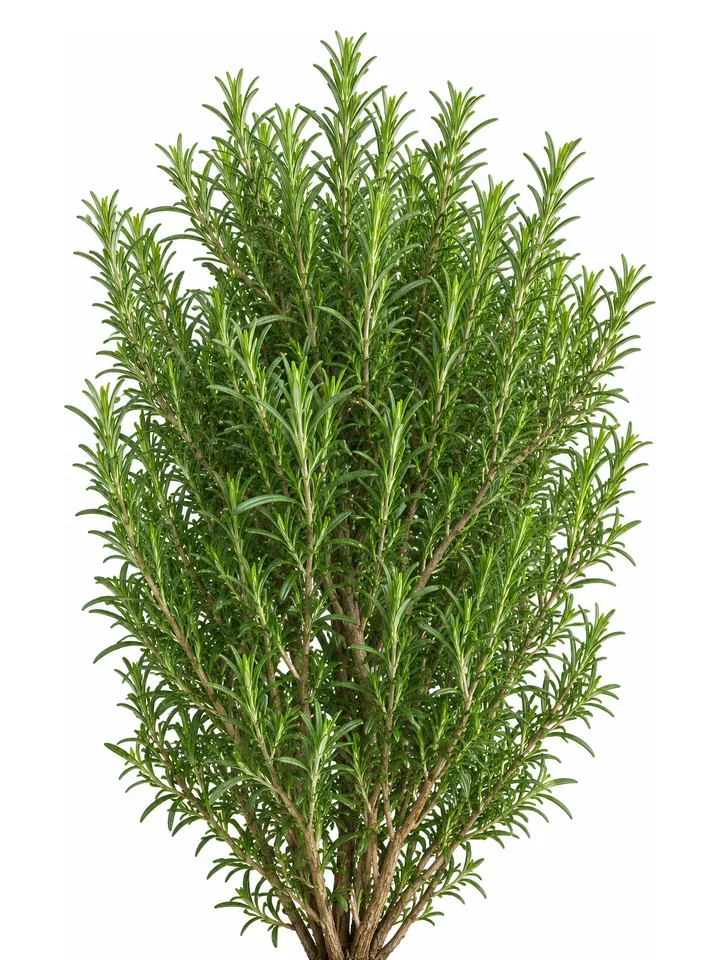
Overall shape, height, branching and growth habit.
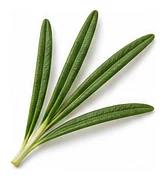
Leaf shape, edges, colour and vein pattern.
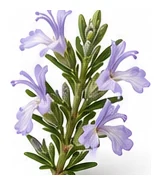
Flower colour, structure and where blooms appear.
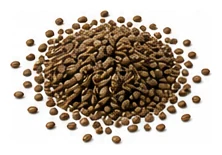
Fruit, root, seed, pod or the strongest identifying feature.
A quick garden-to-table guide for using Rosemary after harvest.
Finely chop small amounts of tender rosemary leaves into dressings or garnishes; the texture and flavour are strong.
Use fresh sprigs or dried leaves to flavour bread, roasted meat and slow-cooked dishes. Remove woody stems before serving.
Dry leafy sprigs thoroughly, then store the leaves airtight away from light.
Try: Roast meat, Rosemary bread, Slow-cooked stews, Dried rosemary.
Create a free account to save your garden layout, personal planting calendar, water and fertiliser schedules, seed inventory and harvest logs.
Create Free Account