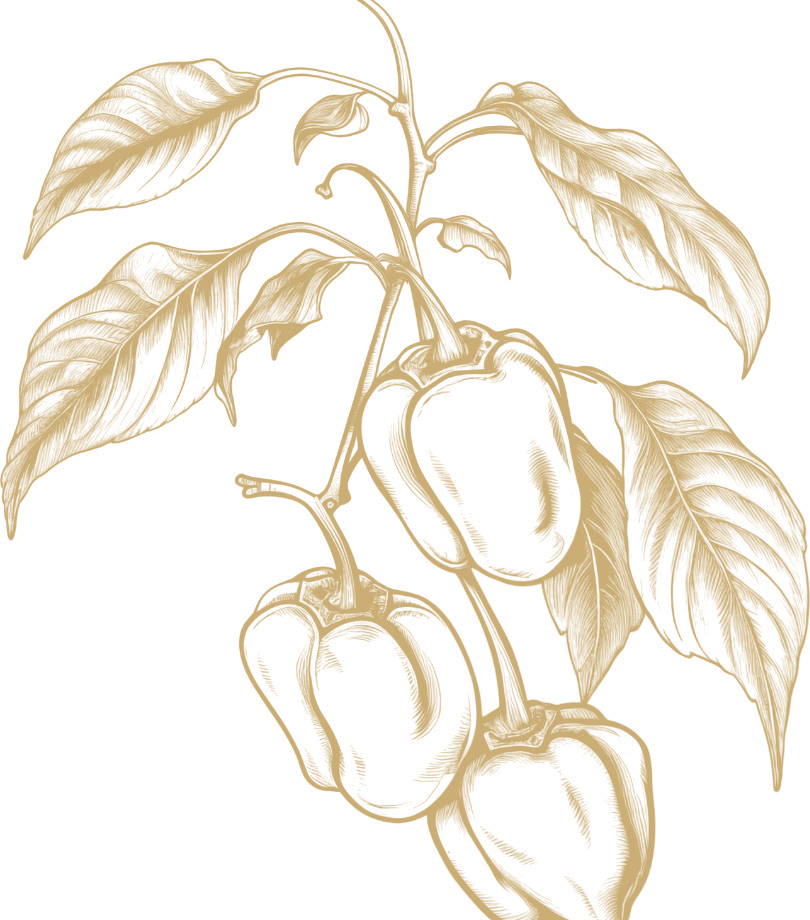

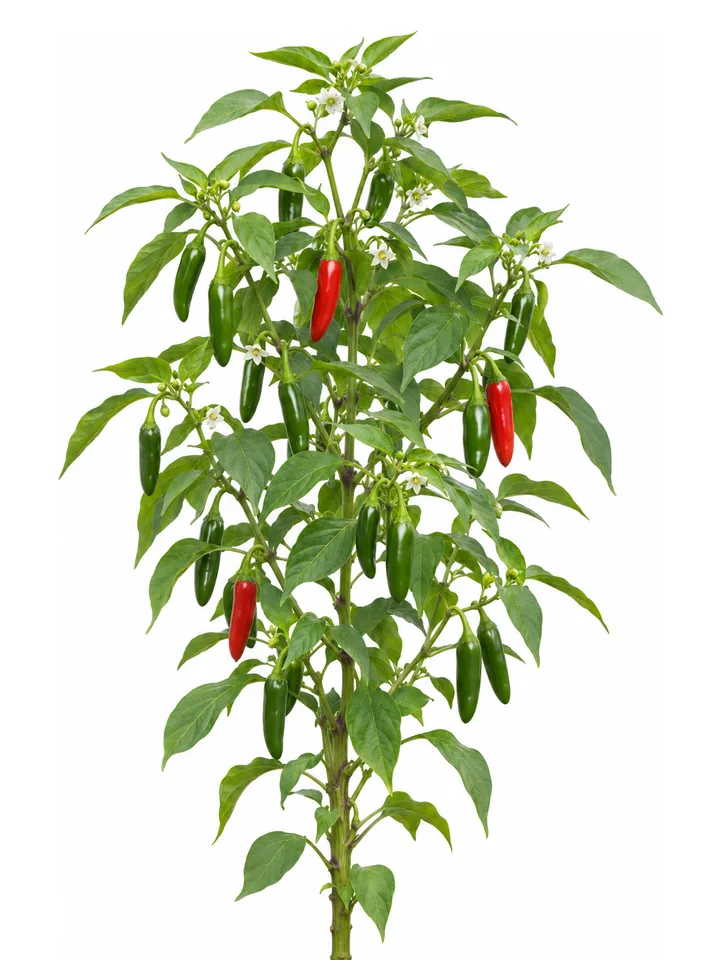
Whole plant
Overall shape, height, branching and growth habit.
Capsicum annuum
Upright chilli with slim, smooth, bullet-shaped pods, usually picked glossy green. Crisp and hotter than a jalapeño.
When to sow, plant out and harvest in each climate. Plotera turns this into reminders for your own garden, location and planting dates.
| Climate | Sow | Transplant / Plant | Harvest |
|---|---|---|---|
| Tropical | Jan - Dec | Jan - Dec | Jan - Dec |
| Subtropical | Jul - Oct | Sep - Nov | Nov - Mar |
| Mediterranean | Aug - Oct | Oct - Nov | Dec - Mar |
| Temperate | Aug - Oct | Nov - Dec | Jan - Mar |
| Cool | Sep - Oct | Nov - Dec | Jan - Feb |
| Arid | Jul - Sep | Sep - Oct | Nov - Feb |
Serrano is an upright, bushy chilli that commonly reaches 60-80 cm and bears smooth, slender pods about 5-7 cm long. The fruit starts green and ripens red, allowing two useful harvest stages from the same plant. Glossy green pods are firm and have a fresh, direct heat, while ripe red pods are softer, more fully flavoured and suitable for drying or sauce. Serrano is hotter than many thick-walled green peppers but is manageable in small quantities. It needs full sun, warm soil and protection from frost, yet its relatively small pods can set more reliably than large-fruited peppers when temperatures fluctuate. Plants are usually grown as annuals but may survive longer in warm frost-free shelter. Harvesting regularly keeps the bush flowering, so pick green pods through the main cropping period and leave selected later fruit to colour. The brittle branches can snap if pods are pulled, making scissors the safest harvesting tool.
Use moist but well-drained loam or sandy loam enriched with mature compost. Aim for pH 6.0-7.0, with 6.5-7.0 preferred by general pepper guidance. Raised beds improve warmth and drainage in heavy ground, while a surface mulch reduces moisture swings after the soil has warmed.
Serrano flowers are complete and mostly self-fertile, so a single plant can set pods. Wind and insects help release and move pollen; lightly tapping flowers can improve set in still shelter. Insects may cross serrano with compatible nearby peppers. Isolate plants or bag unopened flowers if the harvested seed must remain true.
Serrano needs no routine pruning. An optional pinch at about 20-30 cm encourages branching but can delay the first crop. Use one short stake or several canes if branches spread under the weight of fruit, tying them loosely.
Propagate by seed. Save seed from fully ripe, healthy pods on an isolated open-pollinated plant. Hybrid selections do not reproduce reliably from saved seed.
Plant one serrano in a container at least 22 cm wide, preferably larger where heat or wind causes rapid drying. Provide free drainage and a stable stake.
Look for standard green-to-red serrano lines, early selections for short seasons, compact strains for containers, and purple-fruited or disease-tolerant selections where available. Select by mature colour, heat level and whether the pods are intended for fresh use or drying.
Sticky leaves, curled shoots and pale growth indicate sap-feeding colonies. Inspect leaf undersides, wash off small infestations and retain predatory insects.
Hot dry conditions encourage stippled, bronzed leaves and fine webbing. Rinse beneath the leaves, reduce heat stress and remove badly affected foliage.
Small brown leaf marks and raised scabs on pods spread through splashing water. Start with clean plants, irrigate below the canopy, remove infected debris and rotate sites.
Crowded humid plants develop soft decay with fuzzy grey growth. Improve ventilation, remove dead or infected tissue and avoid wet foliage.
A sunken dark patch forms at the blossom end of developing pods. Maintain steady soil moisture and use a soil test before trying to correct calcium or pH.
Choose a moderately warm, less humid growing period. Persistent nights above 30 °C can stop fruit set even when plants remain leafy.
Serrano handles a long warm season well, but ventilation and drainage are essential during humid weather. Provide light shade in extreme heat.
Transplant after nights warm and irrigate consistently through the dry season. The sunny finish encourages red ripening.
Start indoors and use the warmest sheltered outdoor site after frost. A protected structure extends the red-pod harvest.
Choose an early selection and grow under cover, maintaining nights near or above 15 °C. Harvest green if cold arrives before pods colour.
Use mulch, wind protection and regular deep irrigation. Preserve enough foliage to protect pods from sunscald.
Overall shape, height, branching and growth habit.
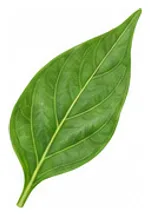
Leaf shape, edges, colour and vein pattern.
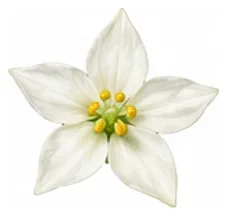
Flower colour, structure and where blooms appear.
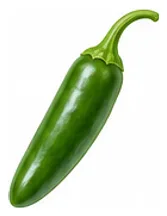
Fruit, root, seed, pod or the strongest identifying feature.
A quick garden-to-table guide for using Serrano Chilli after harvest.
Slice glossy green pods into salsas, relishes and dressings for a crisp texture and clean heat. Wear gloves and adjust the quantity gradually.
Use green or red pods in sauces, stews, roasting and grilling. Red fruit gives a riper flavour, while green fruit remains firmer.
Pickle firm green pods, freeze chopped fruit or dry fully red pods until brittle. Use only tested methods for shelf-stable preserves.
Try: Pico de gallo, Green salsa, Pickled rings, Spicy guacamole.
Create a free account to save your garden layout, personal planting calendar, water and fertiliser schedules, seed inventory and harvest logs.
Create Free Account