
Whole plant
Overall shape, height, branching and growth habit.
Mentha spicata
Classic garden mint with bright green, wrinkled, toothed leaves and a sweet, fresh flavour. Vigorous and spreading.

When to sow, plant out and harvest in each climate. Plotera turns this into reminders for your own garden, location and planting dates.
| Climate | Sow | Transplant / Plant | Harvest |
|---|---|---|---|
| Tropical | Jan - Dec | Jan - Dec | Jan - Dec |
| Subtropical | Jan - Dec | Jan - Dec | Jan - Dec |
| Mediterranean | Feb - Oct | Feb - Oct | Mar - Nov |
| Temperate | Mar - Oct | Mar - Oct | Apr - Nov |
| Cool | Mar - Sep | Mar - Sep | Apr - Oct |
| Arid | Mar - Oct | Mar - Oct | Apr - Nov |
Spearmint is a vigorous perennial herb with bright green, toothed leaves, pointed flower spikes and a sweet, fresh aroma dominated by carvone rather than the stronger cooling menthol associated with peppermint. It usually grows 30–60 cm tall but spreads much farther through shallow rhizomes and stems that root where they touch moist soil. That vigour provides repeated harvests but can turn an unconfined planting into a persistent colony. A large pot or a fully contained bed is therefore the safest home-garden position. Spearmint grows in full sun or partial shade and prefers richer, moister soil than drought-tolerant woody herbs. Regular cutting produces soft new leaves and delays flowering; older stems can be cut back after bloom. Its pale lilac flower spikes attract bees and other insects, though flowering is unnecessary for the leaf harvest. Plants are easily renewed by division or cuttings, and named selections are best propagated this way because seedlings may vary in flavour, vigour and leaf form.
Use moist, organically rich but well-drained soil at pH 6.0–8.0. Loam is ideal, but amended sand or clay can work if drainage and moisture are balanced. Grow in a pot, raised container or bounded bed to restrain rhizomes.
The small tubular flowers contain both reproductive parts and are visited by bees. Pollination does not matter for harvesting leaves. Spearmint may set seed, but insect crossing and seedling variation make division or cuttings preferable for preserving a selected flavour.
No staking is needed. Shear stems regularly for harvest, remove flowers if seed is unwanted and cut old growth to about 5 cm after flowering. Divide crowded clumps to restore vigour.
Division, rooted runners and soft stem cuttings are fast and reliable. Seed can be used for the species, but seedlings may not reproduce the parent plant's exact flavour or habit.
Use a container 30–40 cm in diameter and at least 25 cm deep, with drainage holes. Keep the pot on a hard surface or check beneath it for escaping roots.
Look for classic smooth green spearmint for general cooking, crisped or curled-leaf forms for texture, compact selections for containers and strongly scented broad-leaf selections for heavy harvesting.
Orange, yellow or dark pustules form beneath leaves and stems become distorted. Remove affected growth, improve airflow, avoid overhead watering and replace badly infected container soil and plants.
A white powdery coating develops on leaves during crowded, dry-rooted conditions. Thin the clump, water the soil deeply and remove affected stems.
Leaves curl, become sticky or develop pale stippling. Wash pests away, remove badly damaged tips and encourage predatory insects.
Stems yellow and collapse in persistently saturated soil. Improve drainage, reduce watering and re-root healthy tips in clean medium.
Rhizomes appear beyond the intended planting and root through neighbouring soil. Grow in a container, inspect drainage holes and remove escaped runners before they establish.
Give partial shade, excellent airflow and constant but not saturated moisture. Growth may continue year-round where heat is moderate.
Morning sun with afternoon shade keeps leaves tender in hot conditions. Cut hard when stems become coarse or flowering is heavy.
Provide regular irrigation through the dry season and partial shade in the hottest sites. Containers prevent spread into irrigated beds.
Plants grow strongly from spring through autumn and may die back in cold conditions before returning from rhizomes.
Use full sun and a sheltered site for stronger growth. Protect container roots from prolonged freezing.
Use a large moisture-retentive container, afternoon shade and deep irrigation. Dry soil quickly reduces leaf quality.
Overall shape, height, branching and growth habit.
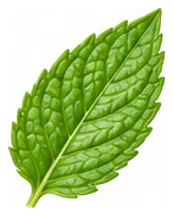
Leaf shape, edges, colour and vein pattern.

Flower colour, structure and where blooms appear.

Fruit, root, seed, pod or the strongest identifying feature.
A quick garden-to-table guide for using Spearmint after harvest.
Tear young leaves into salads, cold drinks, yoghurt sauces and fresh garnishes for a sweet, clean flavour.
Add near the end of cooking to sauces, fillings, soups and savoury dishes so the aroma remains fresh.
Freeze whole or chopped leaves in water, or dry leaves rapidly in shade and store them airtight after they become crisp.
Try: Mint sauce, Tabbouleh, Mojito, Minted peas.
Create a free account to save your garden layout, personal planting calendar, water and fertiliser schedules, seed inventory and harvest logs.
Create Free Account