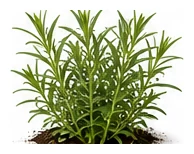
Whole plant
Overall shape, height, branching and growth habit.
Artemisia dracunculus var. sativa
The king of French cooking herbs with a sophisticated anise-like flavour. French tarragon must be propagated by cuttings — it doesn't set viable seed. Perennial.
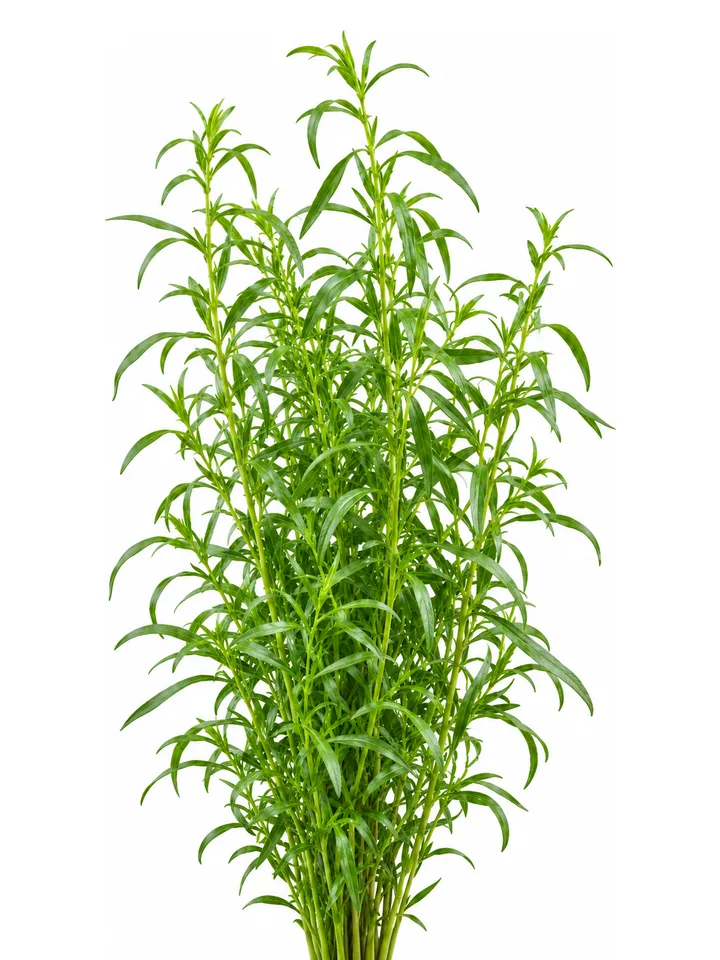
When to sow, plant out and harvest in each climate. Plotera turns this into reminders for your own garden, location and planting dates.
| Climate | Sow | Transplant / Plant | Harvest |
|---|---|---|---|
| Tropical | Apr - Aug | Apr - Aug | Jan - Dec |
| Subtropical | Mar - Aug | Mar - Aug | Jan - Dec |
| Mediterranean | Feb - Sep | Feb - Sep | Jan - Dec |
| Temperate | Mar - Sep | Mar - Sep | Jan - Dec |
| Cool | Mar - Aug | Mar - Aug | Jan - Dec |
| Arid | Mar - Sep | Mar - Sep | Jan - Dec |
French tarragon is a herbaceous perennial grown for slender, aromatic leaves with a distinctive sweet, spicy flavour. It produces a loose clump of upright stems during the growing season and loses its top growth during winter. One healthy plant can supply useful quantities for a home kitchen. Start with a verified plant, division or cutting: true French tarragon is not reliably raised from seed, and seed-grown tarragon generally represents a different, less strongly flavoured type. It prefers bright conditions, modest fertility and exceptionally good drainage. Warmth encourages growth, but very hot conditions can justify some afternoon shade. Harvest young shoot tips regularly and renew established clumps by division before they lose vigour. In wet-winter gardens, a container that can be moved into a dry, sheltered position often gives better survival than open-ground planting.
Use light, well-aerated, freely draining soil with modest organic matter, around pH 6.5–7.5. Avoid saturated soil, especially in winter. Raised beds and containers are useful where ground drainage is unreliable.
Pollination does not matter for the leaf harvest. True French tarragon rarely flowers and its flowers are generally sterile, so adding another plant or hand-pollinating does not provide a dependable seed crop. Preserve it through division or stem cuttings.
Usually needs no support. Trim shoots to maintain shape and remove any flower buds when prioritising leaves. Cut back old stems as new growth resumes in spring.
Divide clumps in spring, handling the brittle roots carefully, or root softwood stem cuttings during active growth. Do not rely on seed for true French tarragon.
Use a container at least 20 cm wide and deep for one plant, with drainage holes and a freely draining, soil-based potting mix.
Choose verified French tarragon for strong culinary flavour. Seed-grown tarragon is generally the more vigorous, coarser type and will not give the same flavour.
Growth weakens or plants fail after wet conditions. Improve drainage and avoid watering dormant, already damp roots.
Coloured powdery pustules develop, often beneath leaves. Remove a few affected leaves promptly and clear infected debris.
A white powdery coating appears on foliage. Improve airflow, avoid crowding and remove badly affected growth.
Plants struggle during very hot weather. Provide afternoon shade and maintain appropriate root moisture without saturation.
Use a freely draining container and an airy position; protect roots from prolonged rain and provide shade during extreme heat.
Give afternoon shade during very hot weather and avoid continuously wet soil.
Water during extended drought and protect plants from excessive heat where needed.
Expect winter dormancy and fresh spring shoots. Renew clumps periodically.
Protect young shoots from frost and dormant roots from winter wet; movable containers are useful.
Use light afternoon shade above approximately 32 °C and check shallow roots for drying.
Overall shape, height, branching and growth habit.
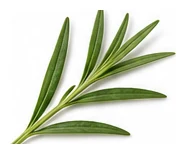
Leaf shape, edges, colour and vein pattern.
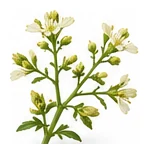
Flower colour, structure and where blooms appear.
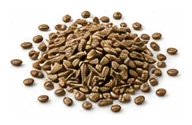
Fruit, root, seed, pod or the strongest identifying feature.
A quick garden-to-table guide for using Tarragon after harvest.
Use fresh young tarragon leaves sparingly in dressings, salads and garnishes.
Add leaves to egg dishes, poultry and sauces, using modest amounts of their strong flavour.
Freeze chopped leaves or sprigs in sealed freezer containers. Drying is possible but reduces flavour.
Try: Egg dishes, Poultry, Sauces, Dressings.
Create a free account to save your garden layout, personal planting calendar, water and fertiliser schedules, seed inventory and harvest logs.
Create Free Account