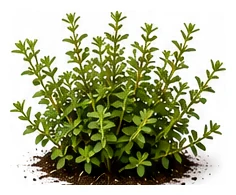
Whole plant
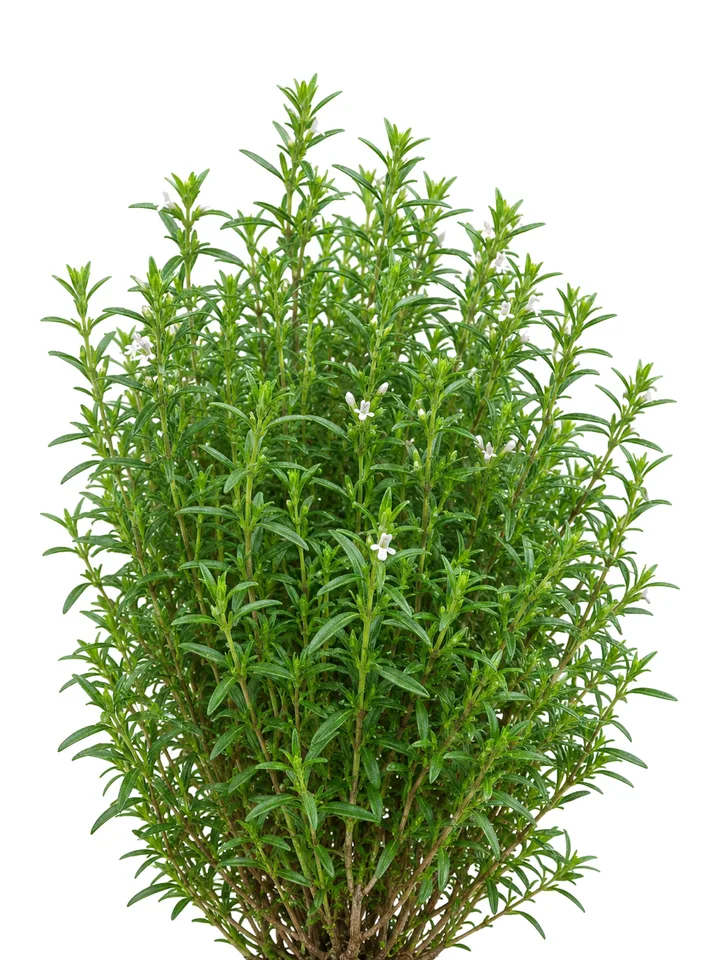
Overall shape, height, branching and growth habit.
Satureja montana
Compact hardy perennial herb with peppery leaves for beans, meats and herb borders.
When to sow, plant out and harvest in each climate. Plotera turns this into reminders for your own garden, location and planting dates.
| Climate | Sow | Transplant / Plant | Harvest |
|---|---|---|---|
| Tropical | Jan - Dec | Jan - Dec | Jan - Dec |
| Subtropical | Mar - Oct | Mar - Oct | Jan - Dec |
| Mediterranean | Mar - Oct | Mar - Oct | Jan - Dec |
| Temperate | Feb - Apr | May - Jun | May - Oct |
| Cool | Mar - May | May - Jun | Jun - Sep |
| Arid | Mar - May | Apr - May | May - Oct |
Winter savory is a compact perennial herb with narrow aromatic leaves, woody lower stems and small summer flowers. Its strong, peppery flavour makes a small plant useful in a kitchen garden, while its neat growth suits sunny edging and containers. Leaves can be picked over a long season in mild conditions, although growth slows in winter and plants may shed foliage during severe cold. It is generally easy to grow when given sunshine and freely draining soil. Established plants tolerate drought, but young plants still need water while their roots develop. Regular tip harvesting keeps growth bushy and supplies tender leaves instead of increasingly woody stems. Leave some flowers for visiting insects, then remove faded shoots to tidy the plant. Renew an ageing, straggly plant from cuttings or division when light pruning no longer restores useful growth.
Use well-drained sandy soil or sandy loam with modest organic matter. A pH of 6.0–8.0 is suitable, with neutral to alkaline conditions preferred. Ordinary ground beds work well if they drain freely; use raised beds or pots where winter wetness is a problem.
Pollination is unnecessary for harvesting leaves or edible flowers. Flowers are perfect, containing both male and female parts, and insects, including bees, visit for pollen and nectar. For seed saving, leave some flowering shoots untrimmed until seed ripens; cuttings or division reproduce the parent more predictably.
No staking is needed. Harvest shoot tips regularly, remove faded flower stems after flowering and prune lightly in spring to keep plants compact; avoid repeatedly cutting into bare old wood.
Use seed, summer softwood cuttings, division or layering. Divide or replace ageing plants to maintain vigorous leafy growth.
Use a freely draining container at least 20 cm deep. Give the roots adequate width and use a larger pot as the plant develops.
Look for the perennial species Satureja montana and select a compact, leafy form for kitchen use. Choose plants suited to local winter conditions and take cuttings from a plant with a flavour you enjoy.
Plants decline or collapse in cold, saturated soil. Improve drainage and move pots out of persistent rain.
Leaves develop fine pale speckling, sometimes with webbing. Rinse foliage to dislodge mites and inspect regularly during hot, dry conditions.
Small white insects rise when foliage is disturbed and may leave sticky deposits. Hose them off and check leaf undersides for continuing infestations.
Use a sunny, airy position and sharply drained soil. Persistent warm-season wetness makes a protected container more manageable.
Good drainage is essential during rainy periods. Established plants need less irrigation than newly planted starts.
Sunny, dry conditions suit established plants. Water during establishment and prevent winter waterlogging.
Plant in spring and harvest through the growing season. Shelter pots from excessive winter rain.
Choose a sunny, sheltered site; foliage may be lost in severe cold. A bright, frost-free position can extend container harvests.
Established plants tolerate dry soil, but small pots and young plants need watering during prolonged drought.
Overall shape, height, branching and growth habit.
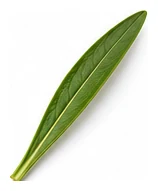
Leaf shape, edges, colour and vein pattern.
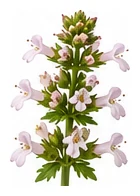
Flower colour, structure and where blooms appear.
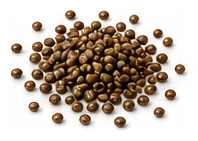
Fruit, root, seed, pod or the strongest identifying feature.
A quick garden-to-table guide for using Winter Savory after harvest.
Finely chop a small quantity of tender leaves into salads or dressings; the peppery flavour is strong.
Use leaves to season soups, stews, stuffing, fish and meat dishes. Strip leaves from woody stems before serving.
Dry leafy sprigs in a warm, shaded, ventilated place. Strip off the dried leaves and store them in an airtight jar.
Try: Soups and stews, Stuffing, Fish seasoning, Dried herb.
No avoid list yet.
Trim lightly after flowering to prevent woody growth.
Create a free account to save your garden layout, personal planting calendar, water and fertiliser schedules, seed inventory and harvest logs.
Create Free Account