Whole plant
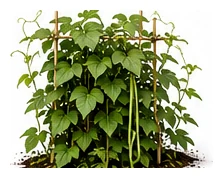
Overall shape, height, branching and growth habit.
Dioscorea spp.
Climbing tropical tuber crop needing a long warm season and strong support. Different from sweet potato.
Some Dioscorea species are toxic unless specially processed. Grow only known edible cultivated yams and always cook them.
When to sow, plant out and harvest in each climate. Plotera turns this into reminders for your own garden, location and planting dates.
| Climate | Sow | Transplant / Plant | Harvest |
|---|---|---|---|
| Tropical | Jan - Dec | Jan - Dec | Jan - Dec |
| Subtropical | Sep - Dec | Sep - Dec | Jan - Dec |
| Mediterranean | Sep - Nov | Nov - Dec | Jan - Dec |
| Temperate | Mar - May | May - Jun | Jul - Oct |
| Cool | Apr - May | Jun | Aug - Oct |
| Arid | Sep - Nov | Sep - Nov | Jan - Dec |
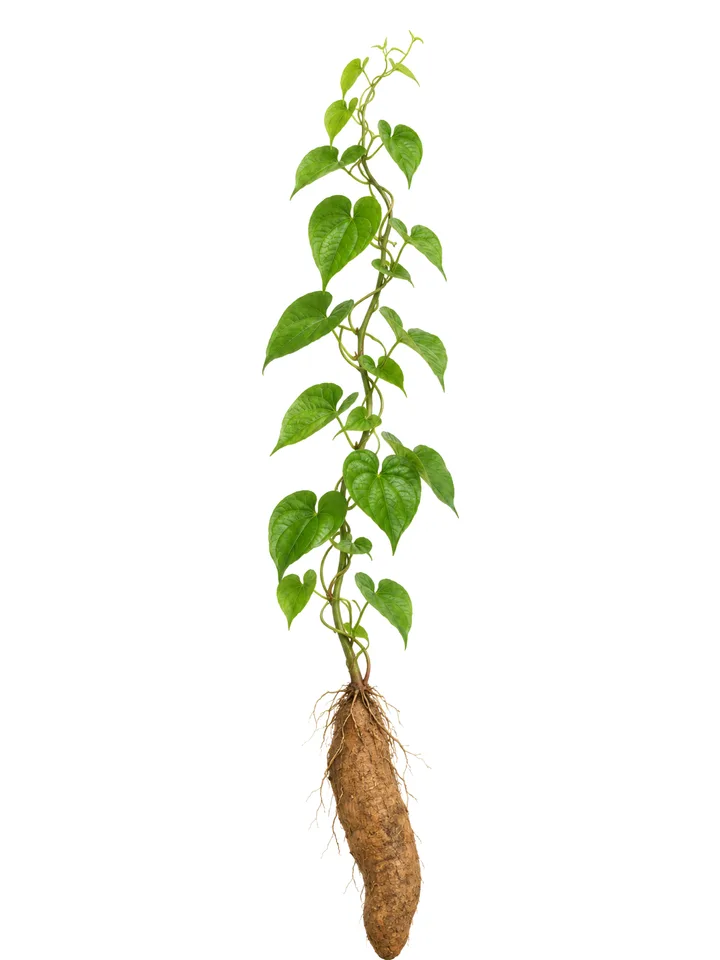
Yams are climbing perennial plants in the genus Dioscorea, grown for their underground tubers. The genus includes different food crops as well as unsuitable species, so identify the species and edible variety before planting or preparing a harvest. Greater yam, Dioscorea alata, is a useful example: it produces vigorous twining stems and tubers with white or purple flesh. These plants need a long warm growing season, loose soil and strong supports. Growth usually begins from a tuber, tuber section or suitable bulbil rather than true seed. Dormancy can delay sprouting even when planting conditions seem favourable. As the season ends, vines yellow and dry, signalling that the tuber harvest is approaching. Dig with care because tuber shape and depth vary, and damaged tubers are more likely to rot.
Provide deep, loose, fertile loam enriched with mature organic matter and good drainage. Greater yam tolerates acidic soil. Deep prepared ground or generous mounds are more practical than shallow beds for large, irregular tubers.
Pollination is unnecessary for the tuber harvest. Greater yam has separate male and female plants, and many cultivated varieties are sterile. Seed production requires fertile compatible plants; tubers, divisions or bulbils preserve a selected variety more reliably.
Provide a strong trellis or individual stakes about 2 m tall or more, with room for vines to extend. Guide shoots onto supports early; routine hard pruning is unnecessary.
Use healthy small tubers or tuber sections. Some species and varieties also form aerial bulbils that can be planted; do not assume every yam produces them.
Large tropical yams are not well suited to ordinary pots for a full tuber harvest. Deep prepared ground is the more practical choice.
Choose a positively identified edible species first. Within greater yam, select white- or purple-fleshed types, suitable tuber shape and locally proven disease resistance.
Brown or black patches expand on leaves and shoots, causing dieback. Use resistant varieties, healthy planting material and good sanitation.
Waxy insects collect on stored or planting tubers. Inspect stock, brush off small infestations and reject badly affected material.
Tubers develop damaged or decaying tissue and may deteriorate during storage. Use healthy stock and rotate growing sites.
Soft or dry decay develops after harvest. Avoid digging injuries, separate affected tubers and inspect stored roots regularly.
A long warm season suits tropical edible species; match planting to available rainfall and drainage.
Choose a locally proven edible type and use the longest frost-free period.
Tropical types need summer irrigation and enough warmth to mature before cold weather.
Species choice is crucial; tropical yams may not mature during an ordinary outdoor season.
Large tropical food yams are poorly suited to short, cool summers.
Provide irrigation during establishment and active growth; do not rely on rainfall alone.
Overall shape, height, branching and growth habit.
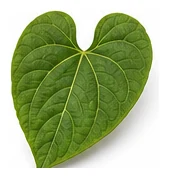
Leaf shape, edges, colour and vein pattern.
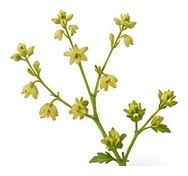
Flower colour, structure and where blooms appear.
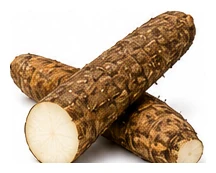
Fruit, root, seed, pod or the strongest identifying feature.
A quick garden-to-table guide for using Yam after harvest.
Never eat yam tubers raw. Some species and wild yams contain toxic or irritant compounds that ordinary cooking does not make safe, so eat only a positively identified edible variety, peeled and thoroughly cooked.
For edible greater yam, peel and cook thoroughly by boiling, steaming or baking. Purple-fleshed types can also be used in cooked desserts.
Store sound, unwashed tubers in a dark, well-ventilated place at about 12–16 °C. Do not refrigerate, as cold causes chilling injury. Inspect frequently and remove any that sprout or rot.
Try: Boiled yam, Steamed yam, Baked yam, Yam dessert.
No avoid list yet.
Grow from small tubers or bulbils; provide a trellis and harvest when vines yellow.
Create a free account to save your garden layout, personal planting calendar, water and fertiliser schedules, seed inventory and harvest logs.
Create Free Account