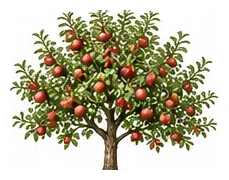
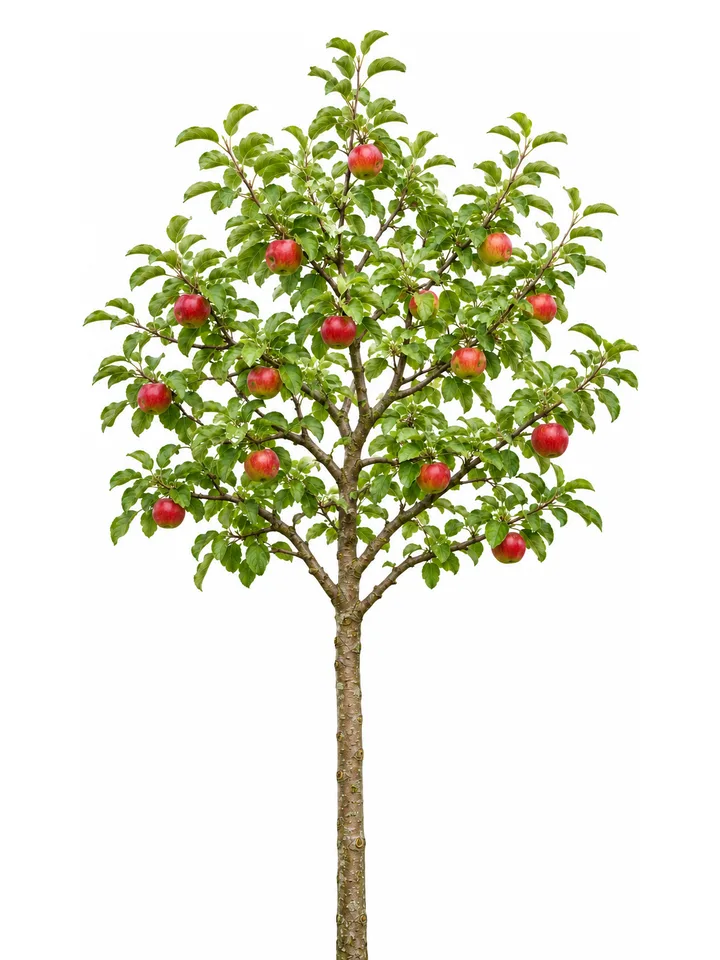
Whole plant
Overall shape, height, branching and growth habit.
Malus domestica
Temperate fruit tree with varieties for cool, temperate and low-chill climates. Often needs compatible pollination partner.
When to sow, plant out and harvest in each climate. Plotera turns this into reminders for your own garden, location and planting dates.
| Climate | Sow | Transplant / Plant | Harvest |
|---|---|---|---|
| Tropical | From transplant | Jan - Dec | Jan - Dec |
| Subtropical | From transplant | Mar - Sep | Jan - Dec |
| Mediterranean | From transplant | Mar - May | Jun - Nov |
| Temperate | From transplant | Mar - May | Jun - Oct |
| Cool | From transplant | Mar - May | Jul - Oct |
| Arid | From transplant | Mar - May | Jun - Nov |
An apple tree can provide blossom, shade and useful harvests for many years, but choosing the right tree matters more than planting any familiar variety. The fruiting variety determines flavour, ripening season and disease susceptibility, while the rootstock strongly influences tree size, anchorage and how soon fruit appears. Dwarf trees make harvesting and protection easier and can suit small gardens or large containers. Most apples need a compatible flowering partner nearby, so plan pollination before planting. Winter chilling must also match the variety: a tree that survives locally may still flower poorly if its chilling needs are not met. Expect annual pruning, fruit thinning and some pest monitoring. Harvest readiness is best judged by flavour and maturity rather than red skin alone, and different varieties offer fresh eating, cooking or longer storage.
Choose well-drained loam with organic matter and a pH of 6.0–7.0. Test before planting and improve the wider growing area where needed. Plant in open ground with good air drainage; use a broad raised planting area where necessary to improve drainage, or a large container with a suitable dwarfing rootstock.
Flowers contain both male and female parts, but most varieties need pollen from a different compatible variety with overlapping bloom. Bees and other insects transfer pollen. Some varieties are partly self-fertile, but a partner improves reliability. Pollen-sterile varieties cannot pollinate their partner, so usually need two other compatible varieties; a suitably flowering ornamental apple can also supply pollen.
Support dwarf trees with a suitable permanent stake or trellis where their rootstock requires it. Prune established free-standing trees in late winter before growth begins, removing dead, damaged and crowded wood; trained forms also need appropriate summer pruning.
Named varieties are reproduced by grafting or budding onto rootstocks. Seedlings are genetically variable and are unsuitable for reproducing a favourite apple accurately.
Choose a dwarfing rootstock and a container at least 45–50 cm across; larger containers improve long-term root space and moisture stability. Provide drainage and permanent support where required.
Look for disease-resistant dessert, cooking or storage types according to use. Choose low-chill types for mild winters, early-ripening types for short seasons, and a compatible rootstock and flowering partner.
Dark, scabby patches develop on leaves and fruit. Choose resistant varieties, clear fallen leaves and prune for an open canopy.
Larvae tunnel into fruit, often leaving crumbly waste near an entry hole. Remove affected and fallen fruit promptly and protect young fruit with suitable individual bags.
Blossoms and shoots blacken and may bend at their tips. Choose resistant varieties and seek local guidance for removing infected wood in dry conditions.
A heavy crop is followed by a sparse one. Thin excessive fruit early and maintain balanced growth rather than allowing branches to carry every fruit.
Standard high-chill varieties are unsuitable where winters remain warm. Only attempt fruiting with locally proven low-chill varieties and suitable growing conditions.
Choose low-chill varieties with compatible flowering times. Watch for irregular flowering where winter conditions fluctuate.
Match chilling needs to the site and irrigate during dry fruit development. Choose a position with good air movement.
A broad range of varieties may suit, but flowering time, disease resistance and local chilling remain important.
Choose winter-hardy trees and varieties that ripen within the available growing season. Avoid frost pockets.
Provide dependable irrigation and mulch, and check soil salinity and drainage before planting.
Overall shape, height, branching and growth habit.
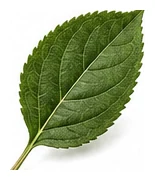
Leaf shape, edges, colour and vein pattern.
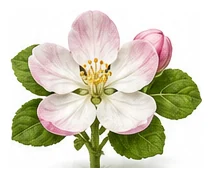
Flower colour, structure and where blooms appear.
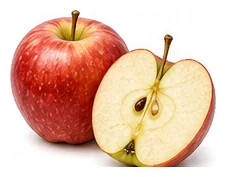
Fruit, root, seed, pod or the strongest identifying feature.
A quick garden-to-table guide for using Apple after harvest.
Eat sound, washed ripe apples fresh or slice them into salads. Choose dessert types for the texture and sweetness you prefer.
Bake, stew or purée apples, or use them in pies and sauces. Cooking types vary in whether they hold their shape or soften.
Freeze prepared slices or cooked sauce using a tested method. Store only sound, unbruised fruit, checking regularly for decay.
Try: Fresh fruit, Apple pie, Apple sauce, Baked apples.
Choose chill hours suited to your climate. Dwarf rootstocks suit small gardens and pots.
Create a free account to save your garden layout, personal planting calendar, water and fertiliser schedules, seed inventory and harvest logs.
Create Free Account