
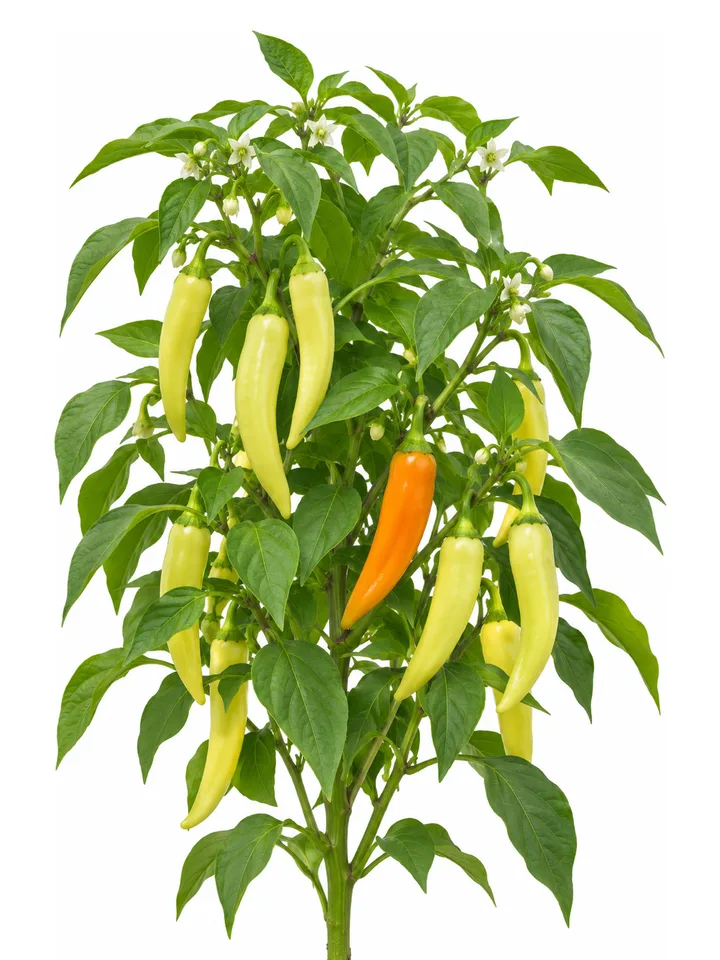
Whole plant
Overall shape, height, branching and growth habit.
Capsicum annuum
Sweet pepper with long, tapered, waxy pods that ripen from pale yellow to orange and red. Mild, tangy and very productive.
When to sow, plant out and harvest in each climate. Plotera turns this into reminders for your own garden, location and planting dates.
| Climate | Sow | Transplant / Plant | Harvest |
|---|---|---|---|
| Tropical | Jan - Dec | Jan - Dec | Jan - Dec |
| Subtropical | Jul - Oct | Sep - Nov | Nov - Mar |
| Mediterranean | Aug - Oct | Oct - Nov | Dec - Mar |
| Temperate | Aug - Oct | Nov - Dec | Jan - Mar |
| Cool | Sep - Oct | Nov - Dec | Jan - Feb |
| Arid | Jul - Sep | Sep - Oct | Nov - Feb |
Banana pepper is a mild, productive sweet pepper with elongated, tapered pods that curve slightly and resemble a banana in shape. Sweet types are commonly harvested pale yellow, then progress through orange to red as they ripen. Yellow pods are firm and tangy, while fully coloured fruit becomes softer and sweeter. The walls are thinner than those of large blocky peppers, making banana peppers useful for fresh slicing, quick cooking and pickling. A typical sweet banana selection begins producing around 70 days after transplanting under suitable warmth, and regular picking extends the harvest. Plants are tender annuals that need full sun, warm soil and a frost-free season. Although mature plants are compact, a heavy crop can pull brittle branches downward. Mild and hot banana strains can look similar, so label plants carefully and taste cautiously when the seed source is uncertain. Even mild fruit can irritate sensitive skin during prolonged preparation.
Grow in fertile, well-drained loam or sandy loam supplied with mature compost and steady moisture. Maintain pH 6.0-7.0, preferably around 6.5. Raised beds improve heavy, cool soil, while container mix should remain airy and drain quickly.
Banana pepper flowers are complete and mostly self-fertile; a single plant can set fruit. Wind movement and insects improve pollination, while gentle tapping helps in still protected spaces. Sweet and hot compatible peppers can cross, but this changes saved seed rather than the current fruit. Isolate or bag flowers for pure seed.
Pruning is normally unnecessary. An optional pinch can increase branching but delay harvest. Use a short stake or small cage if heavily loaded branches begin to bend, and cut fruit rather than pulling it.
Propagate by seed. Save seed from fully ripe fruit on an isolated open-pollinated plant. Hybrid banana peppers will not reliably reproduce the parent plant.
Use one plant per pot at least 22 cm wide. Larger containers are easier to water evenly when plants carry a heavy crop.
Choose sweet banana types for mild yellow-to-red fruit, hot banana types when pungency is wanted, early selections for short seasons and disease-resistant hybrids where bacterial spot is persistent. Compact plants suit pots, while thicker-walled strains hold up better for pickling.
Colonies cause curled leaves, weak shoots and sticky honeydew. Wash them away early, preserve natural predators and remove severely infested tips.
Brown leaf spots and raised rough marks on fruit spread with splashing water. Start with clean seed or transplants, keep leaves dry and remove infected debris.
Ripening fruit develops round sunken lesions with dark or pinkish centres. Harvest promptly, discard infected fruit and improve airflow.
The blossom end turns tan, then dark and sunken. Keep soil uniformly moist and test soil before correcting calcium or pH.
Fruit exposed by a thin canopy develops white or tan patches. Avoid severe pruning and provide temporary light shade during intense heat.
Grow during the milder, drier period for better fruit set and fewer diseases. Persistent nights above 30 °C may stop flowering.
A long harvest is possible, but provide airflow and drainage during humid weather and shade during severe heat.
The warm dry season suits banana peppers when irrigation is regular. Allow late pods to colour after the main pale-yellow harvest.
Start under cover and transplant after frost into full sun. Early sweet strains give the most dependable coloured harvest.
Use early compact selections under protection and keep nights above about 15 °C where possible. Pale-yellow pods can be harvested before full red ripening.
Mulch, irrigate deeply and protect fruit from intense afternoon exposure. Avoid drying the root zone during fruit expansion.
Overall shape, height, branching and growth habit.
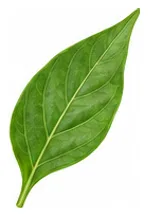
Leaf shape, edges, colour and vein pattern.
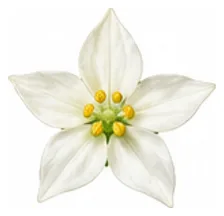
Flower colour, structure and where blooms appear.
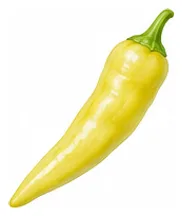
Fruit, root, seed, pod or the strongest identifying feature.
A quick garden-to-table guide for using Banana Pepper after harvest.
Slice pale yellow or fully coloured pods into salads, sandwiches and relishes. Yellow fruit is tangier, while orange-red fruit is sweeter.
Grill, roast, blister or fill whole pods, or add slices to sauces and baked dishes. Fully coloured fruit softens more quickly.
Pickle firm pale-yellow pods, freeze sliced fruit or dry fully ripe thin-walled pods. Use a tested recipe for shelf-stable pickles; plain peppers require pressure canning.
Try: Pickled rings, Stuffed peppers, Pizza topping, Sandwich slices.
Create a free account to save your garden layout, personal planting calendar, water and fertiliser schedules, seed inventory and harvest logs.
Create Free Account