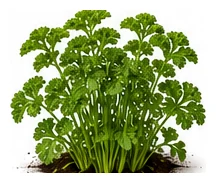
Whole plant
Overall shape, height, branching and growth habit.
Petroselinum crispum
Biennial herb used as both a garnish and a cooking herb. Flat-leaf varieties have more flavour; curly types are more decorative. Slow to germinate but very productive once established.
When to sow, plant out and harvest in each climate. Plotera turns this into reminders for your own garden, location and planting dates.
| Climate | Sow | Transplant / Plant | Harvest |
|---|---|---|---|
| Tropical | Apr - Aug | Apr - Aug | Jun - Oct |
| Subtropical | Mar - Aug | Mar - Aug | May - Oct |
| Mediterranean | Feb - Sep | Feb - Sep | Apr - Nov |
| Temperate | Feb - Sep | Feb - Sep | Apr - Nov |
| Cool | Feb - Aug | Feb - Aug | Apr - Oct |
| Arid | Mar - Aug | Mar - Aug | May - Oct |
Parsley is a leafy biennial usually grown as an annual for a steady supply of fresh leaves. During its first growing season it forms a leafy rosette; after overwintering, surviving plants normally produce flower stalks, set seed and die. Starting new plants each season gives better eating quality than relying on second-year plants. Curly types make compact, decorative clumps, while flat-leaved types generally have a stronger flavour and can grow taller. Parsley suits beds, border edges and containers in sun or light shade. Its main challenge is getting started: germination can be slow and uneven, so keep the seedbed moist and give seeds time. Once plants are established, harvest outer stems near the base, leaving the centre to continue growing. Regular moisture supports continued leaf production through the growing season. Eat only parsley you have sown or bought as plants: poisonous relatives such as poison hemlock and fool's parsley have similar leaves, so never forage wild 'parsley' or eat unidentified seedlings.
Choose a loose, moisture-retentive but well-drained soil rich in organic matter, ideally pH 6.0–7.0. Add compost to improve sandy or compacted ground. Beds and open ground both work; use a deep container where soil is shallow or poorly drained.
Pollination does not matter for leaf harvests. The small flowers have male and female parts and appear in umbels, normally in the second year. For seed saving, retain healthy overwintered plants, allow flowering and insect access, and collect fully mature, dry seed; keep different parsley varieties separate if preserving their characteristics.
Leaf-producing plants need no support or tip pinching. Remove outer stems at the base rather than cutting only their leaf tips. Keep flowering plants only when saving seed.
Grow from seed. Direct sowing avoids taproot disturbance; young container-raised seedlings can also be transplanted carefully.
Use a container at least 25 cm wide and deep, with drainage holes and a moisture-retentive potting mix.
Choose curly types for compact edging and decorative leaves, flat-leaved types for stronger flavour, or root parsley types if an edible root is also wanted.
Colonies on tender growth can cause curling and reduced vigour. Squash small colonies and encourage natural predators.
Irregular holes or missing seedlings often appear overnight. Inspect after dark, hand-remove pests and clear nearby hiding places.
Leaves wilt and growth slows when roots dry out. Water deeply and mulch, checking containers more often.
A tall flower stalk replaces tender leafy growth. Harvest remaining usable leaves and replace the plant unless collecting seed.
Use an airy site and avoid saturated soil during heavy rain. Treat plants as a renewed leaf crop rather than expecting long-lived clumps.
Light afternoon shade helps during hot conditions; maintain moisture without waterlogging.
Keep roots supplied with moisture through dry weather and use light shade during intense heat.
Sow for first-year leaf production and start replacements before overwintered plants bolt.
Plants tolerate light frost, but winter survival varies. Cover or move pots into a bright protected position to extend picking.
Improve water retention with compost and mulch. Shelter pots from intense afternoon heat and drying winds.
Overall shape, height, branching and growth habit.
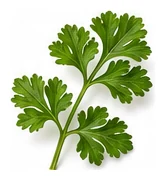
Leaf shape, edges, colour and vein pattern.
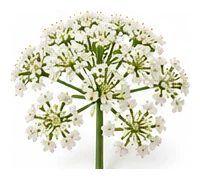
Flower colour, structure and where blooms appear.
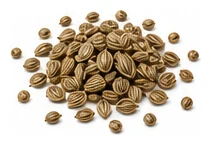
Fruit, root, seed, pod or the strongest identifying feature.
A quick garden-to-table guide for using Parsley after harvest.
Chop washed parsley leaves into salads, dressings or a fresh garnish.
Use leaves and tender stems in soups, stews and sauces.
Freeze chopped leaves in water in an ice-cube tray. Parsley can be dried, although its flavour becomes weaker.
Try: Garnish, Salads, Dressings, Sauces.
Create a free account to save your garden layout, personal planting calendar, water and fertiliser schedules, seed inventory and harvest logs.
Create Free Account