

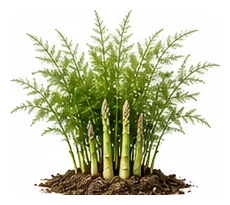
Whole plant
Overall shape, height, branching and growth habit.
Long-lived perennial vegetable. Patience is essential — don't harvest in the first two years. But once established, a bed can produce for 20+ years.
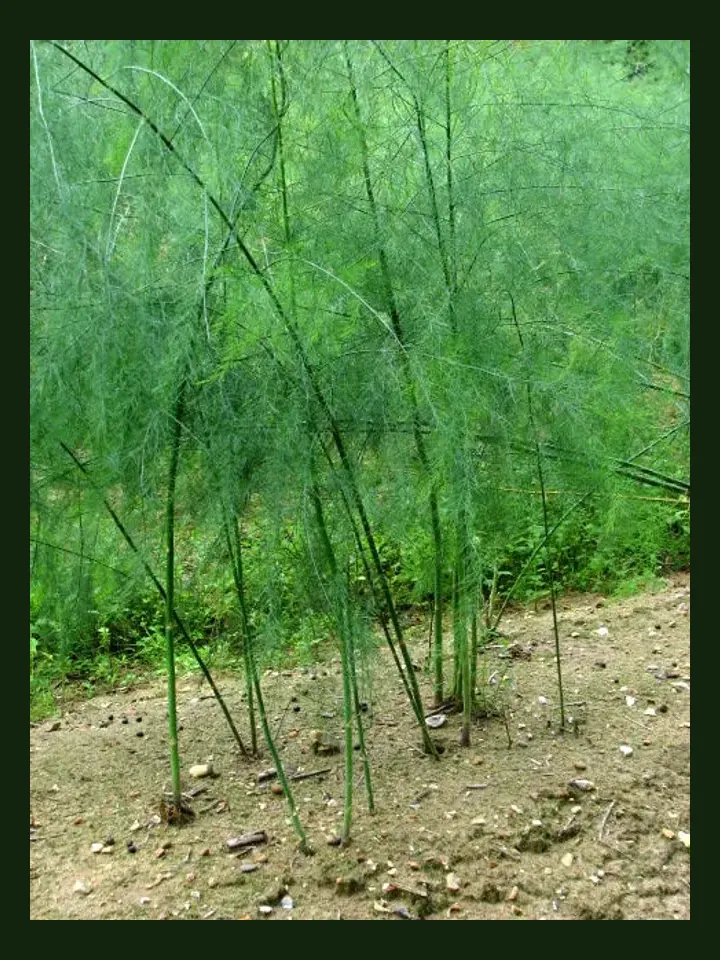
Use this real-world photo as the main plant reference, then compare it with the botanical drawings below for leaf, flower and harvest details.
Use these windows as a public guide. Plotera can personalise tasks around your saved garden, location and planting dates.
| Climate | Sow | Transplant / Plant | Harvest |
|---|---|---|---|
| Tropical | Apr - Aug | Apr - Aug | Jan - Dec |
| Subtropical | Feb - Aug | Feb - Aug | Jan - Dec |
| Mediterranean | Feb - Aug | Feb - Aug | Jan - Dec |
| Temperate | Jan - Apr | Mar - May | Jan - Dec |
| Cool | Jan - Apr | Mar - May | Jan - Dec |
| Arid | Feb - Jul | Feb - Jul | Jan - Dec |
Compare the whole plant first, then check the leaf, flower and harvest detail to identify what Asparagus should look like as it grows.
Overall shape, height, branching and growth habit.
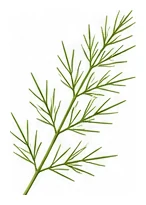
Leaf shape, edges, colour and vein pattern.
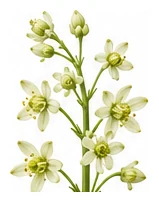
Flower colour, structure and where blooms appear.
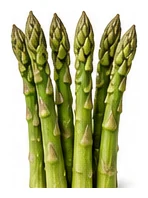
Fruit, root, seed, pod or the strongest identifying feature.
A quick garden-to-table guide for using Asparagus after harvest.
Use fresh where appropriate, especially tender young leaves, flowers, or ripe edible parts.
Cook according to the edible part: steam greens, roast roots, stew fruit, or use aromatics for flavour.
Use fresh, pickle, freeze, dry, or preserve depending on the edible part.
Try: Fresh use, Cooked dish, Preserve, Garden-to-table experiment.
Tomato, Basil, Parsley
Onion, Garlic, Fennel
Plant crowns 15cm deep. Let ferns grow fully in years 1-2. Never harvest until year 3.
Create a free account to save your garden layout, personal planting calendar, water and fertiliser schedules, seed inventory and harvest logs.
Create Free Account