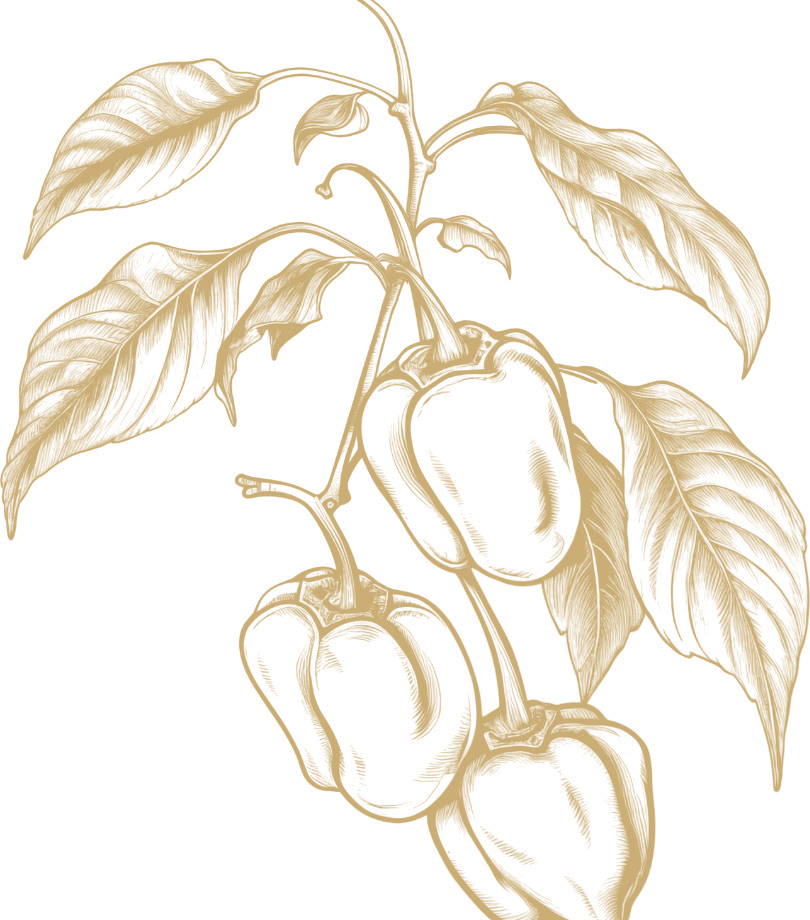

Whole plant
Overall shape, height, branching and growth habit.
Cucurbita moschata
Vining pumpkin with bell-shaped, tan-skinned fruit and sweet, dense orange flesh. Stores for months once cured.

When to sow, plant out and harvest in each climate. Plotera turns this into reminders for your own garden, location and planting dates.
| Climate | Sow | Transplant / Plant | Harvest |
|---|---|---|---|
| Tropical | Jan - Dec | Jan - Dec | Jan - Dec |
| Subtropical | Aug - Nov | Aug - Nov | Nov - Mar |
| Mediterranean | Sep - Nov | Sep - Nov | Dec - Mar |
| Temperate | Sep - Oct | Oct - Nov | Jan - Apr |
| Cool | Oct | Nov - Dec | Feb - Apr |
| Arid | Aug - Oct | Aug - Oct | Nov - Feb |
Butternut is a warm-season Cucurbita moschata winter squash with vigorous trailing vines and bell-shaped fruit. Mature fruit has a smooth tan rind, a small seed cavity and dense orange flesh with a mild, sweet, nutty flavour. Unlike summer-harvested squash, butternut remains on the vine until fully mature, when its hard rind allows storage for several months. The sprawling vine needs substantial ground space, though smaller-fruited forms can be trained on a very strong trellis with individual slings. Male flowers appear before female flowers, and bees must transfer the heavy pollen for reliable fruit set. Harvest only when the rind is uniformly tan and cannot be punctured with a thumbnail, leaving a short stem attached. A dry, warm curing period hardens the rind and heals small surface injuries before cool, dry storage. Butternut tolerates heat better than many cool-season vegetables but still loses flowers during prolonged extremes. Its storage quality, compact seed cavity and versatile flesh make it one of the most useful winter squashes for home gardens.
Grow in fertile, moisture-retentive but well-drained loam with plenty of mature compost. A pH of 6.0-6.5 is preferred. Raised beds improve drainage in heavy soil, while broad ground beds give the long vines room to root and spread.
Separate male and female flowers grow on the same plant. Butternut is not self-pollinating at flower level: bees must carry pollen to the female flower, which has a small swollen fruit at its base. Hand-pollination is useful when bees are scarce. Cross-pollination with other Cucurbita moschata types does not change the current fruit but affects saved seed.
Let vines sprawl where space permits. Smaller-fruited or compact forms may climb a very strong trellis, with each fruit supported in a sling. Redirect or shorten vines that exceed their space, preferably after several fruit have set; avoid heavy pruning that removes the leaf area needed for ripening.
Grow from seed in warm soil or transplant young seedlings carefully. Grafted plants are possible but uncommon for home gardens. Cuttings, runners and division are not standard propagation methods.
Standard vining butternut is poorly suited to ordinary pots. Use a compact bush selection in a container at least 45 cm wide and about 57 litres, with room for vines and very frequent watering.
Look for standard large butternut types for storage and bulk cooking, mini types for single servings and shorter seasons, early-maturing types for cool climates, and compact bush or semi-bush forms for raised beds and large containers. Disease-resistant selections are valuable where mildew is persistent.
White powdery patches cover leaves late in the season and can reduce ripening and storage quality. Space plants widely, keep roots watered, avoid wetting foliage and choose resistant types.
Aphids cause curled sticky leaves and can spread mottling and distorted growth. Wash off colonies, manage weeds and remove severely virus-affected plants.
A larva tunnels into stems, leaving frass and causing sudden wilt. Inspect stem bases, remove eggs where found and bury healthy vine nodes to encourage secondary roots.
Clusters of sap-feeding bugs cause stippled, wilting leaves. Check leaf undersides, crush egg masses and remove plant debris after harvest.
Young fruit may yellow and abort after incomplete pollination, while mature fruit rots where it rests on wet soil. Hand-pollinate when needed, improve drainage and support fruit on a dry surface.
Grow in the cooler, drier part of the year with excellent drainage. Persistent extreme heat can reduce fruit set even though vines grow vigorously.
A long warm season suits butternut, but humid wet periods require wide spacing and dry foliage. Avoid waterlogged soil.
Warm soil and a long dry season suit the crop if deep irrigation is available. Cure harvested fruit during reliably warm, dry conditions.
Start under cover if necessary and transplant after frost into warm soil. Ensure the fruit matures before hard freezing conditions.
Choose early or mini butternut types and use protection to extend warmth. Standard long-season vines may not ripen fully outdoors.
Use deep irrigation, mulch after the soil warms and shield young plants from drying winds. Preserve leaf cover to protect fruit from intense sun.
Overall shape, height, branching and growth habit.
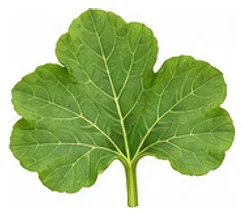
Leaf shape, edges, colour and vein pattern.

Flower colour, structure and where blooms appear.

Fruit, root, seed, pod or the strongest identifying feature.
A quick garden-to-table guide for using Butternut Pumpkin after harvest.
Firm mature flesh can be peeled and finely grated into a crisp raw preparation, although it is more commonly cooked.
Roast, bake, steam or simmer the dense flesh for soups, mash, fillings and sauces; the small seed cavity gives a high proportion of usable flesh.
Freeze cooked puree or cooked pieces. If canning, use a tested pressure-canning recipe for cubes only, never puree.
Try: Roasted wedges, Pumpkin soup, Risotto, Ravioli filling.
Harvest when the skin is tan and hard, with a dry stalk, and cure in a warm dry place.
Create a free account to save your garden layout, personal planting calendar, water and fertiliser schedules, seed inventory and harvest logs.
Create Free Account