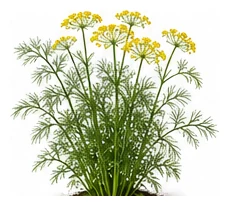
Whole plant
Overall shape, height, branching and growth habit.
Anethum graveolens
Feathery annual herb with anise-like flavour. Both the leaves and seeds are used in cooking. Excellent companion for most vegetables. Attracts beneficial insects.
When to sow, plant out and harvest in each climate. Plotera turns this into reminders for your own garden, location and planting dates.
| Climate | Sow | Transplant / Plant | Harvest |
|---|---|---|---|
| Tropical | Apr - Aug | Apr - Aug | Apr - Sep |
| Subtropical | Mar - Aug | Mar - Aug | Mar - Sep |
| Mediterranean | Feb - Sep | Feb - Sep | Feb - Oct |
| Temperate | Feb - Sep | Feb - Sep | Feb - Oct |
| Cool | Feb - Aug | Feb - Aug | Feb - Sep |
| Arid | Mar - Aug | Mar - Aug | Mar - Sep |
Dill is a fast-growing annual herb with soft, finely divided leaves and flat heads of yellow flowers. The foliage, flowers and seeds are all edible, giving different harvests as the plant develops. Grow repeated small sowings for tender leaves, or leave selected plants to mature for flower heads and dry seeds. A sunny, sheltered position and freely draining soil suit it well. Dill forms a taproot, so sowing directly into its final position avoids the difficulties of moving older seedlings. Compact forms fit containers, while taller forms add height and attract useful insects when flowering. Hot, dry conditions can shorten the leafy stage, making regular watering and replacement sowings useful. Pick leaves lightly from young plants, and allow seed heads to brown before collecting them. Uncollected seeds can produce volunteer plants the following season.
Choose light, well-drained soil of modest fertility, adding mature organic matter only where needed. A pH range of 5.5–6.5 is suitable. Grow in the ground, a raised bed or a deep container; avoid heavy, saturated soil.
Leaf harvests need no pollination. Flower heads contain perfect and male flowers, with female flowers also possible. Bees and flies improve seed set. For seed saving, allow insect access and separate flowering varieties.
Pinch shoot tips and remove developing flower stems when leaves are the priority. Leave plants grown for seed uncut; tall plants benefit from a sheltered position.
Grow from seed, preferably direct sown. If moving seedlings, do so while young and before the taproot develops; plants also self-seed readily.
Choose a compact form and a pot at least 30 cm wide and deep, with drainage holes.
Choose compact forms for pots, bushy slow-bolting forms for leaves, and taller strong-stemmed forms for flower heads and seed.
Colonies gather on stems and flower heads. Wash them off with water and preserve predatory insects.
White powdery growth develops on foliage. Improve spacing and airflow and avoid excessive irrigation.
Young shoots and seedlings develop ragged holes or disappear. Inspect regularly and remove the animals by hand.
Plants yellow, wilt or collapse from the base. Improve drainage, avoid saturated soil and remove affected plants.
Choose the coolest suitable growing period; extreme heat can reduce seed production.
Use cool-season sowings and provide steady establishment moisture.
Sow during mild conditions and water during dry spells to keep leaf crops productive.
Make successive sowings through suitable growing conditions for a continuing leaf supply.
Use a sunny, sheltered site; dill tolerates some frost, but seedlings still benefit from protection during severe weather.
Shelter from drying winds, mulch and irrigate during dry spells; heat and drought accelerate flowering.
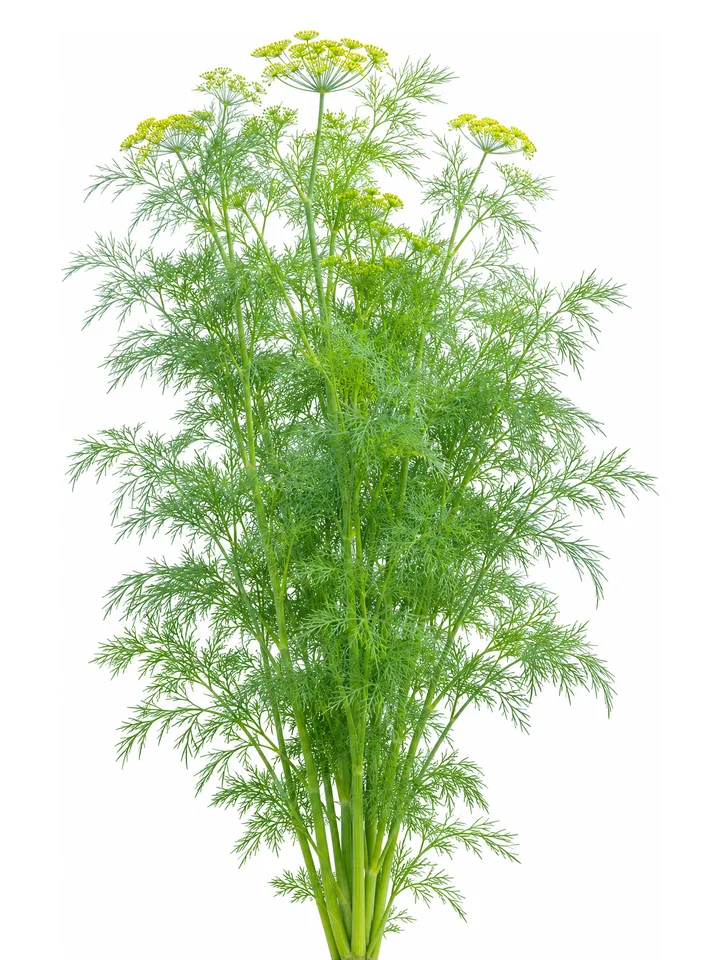
Overall shape, height, branching and growth habit.
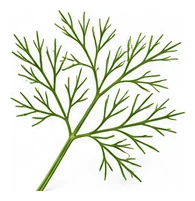
Leaf shape, edges, colour and vein pattern.
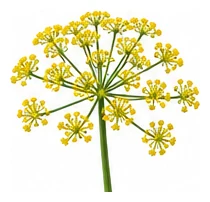
Flower colour, structure and where blooms appear.
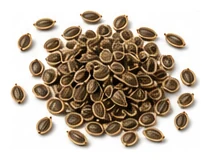
Fruit, root, seed, pod or the strongest identifying feature.
A quick garden-to-table guide for using Dill after harvest.
Add chopped tender leaves to salads, dressings and dips. Eat only dill you sowed or volunteers you are sure are dill (they smell strongly of dill when crushed); never forage wild feathery-leaved plants, as deadly poison hemlock and poisonous fool's parsley can look similar.
Add leaves near the end of cooking to retain their aroma. Seeds and flower heads provide a stronger seasoning.
Freeze fresh sprigs for good flavour retention, or dry leaves away from direct light. Store fully dried seeds airtight after collecting brown heads.
Try: Dill dressing, Herb dip, Seed seasoning, Frozen sprigs.
Create a free account to save your garden layout, personal planting calendar, water and fertiliser schedules, seed inventory and harvest logs.
Create Free Account