Whole plant
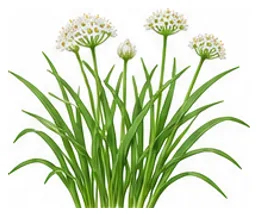
Overall shape, height, branching and growth habit.
Allium tuberosum
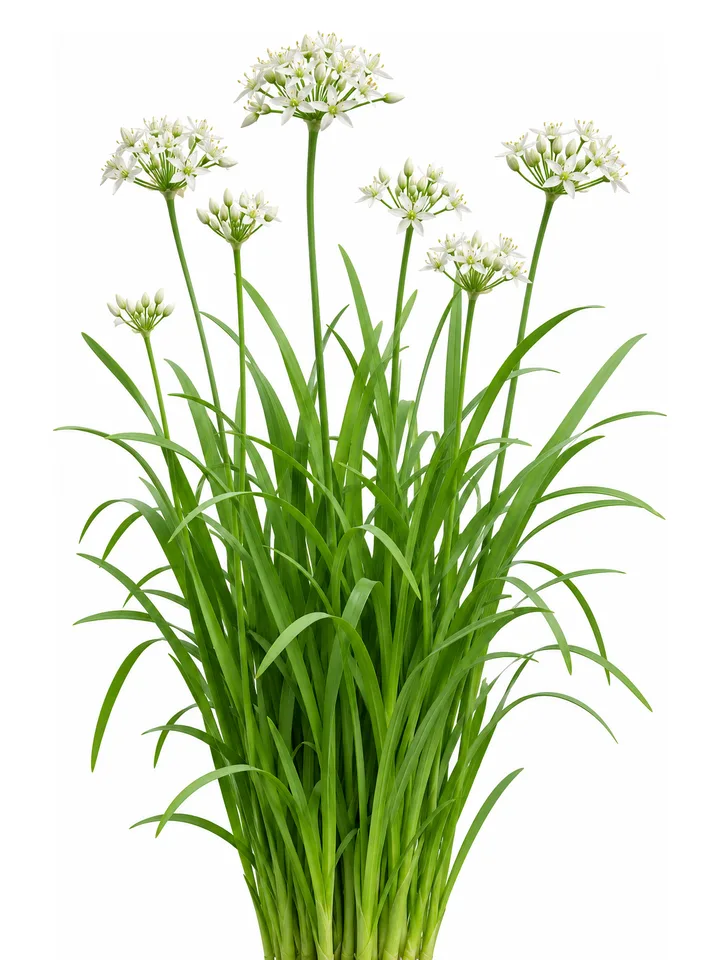
Clumping allium with flat, strap-like leaves that taste of mild garlic and tall stems of white, star-shaped flowers.
When to sow, plant out and harvest in each climate. Plotera turns this into reminders for your own garden, location and planting dates.
| Climate | Sow | Transplant / Plant | Harvest |
|---|---|---|---|
| Tropical | Jan - Dec | Jan - Dec | Jan - Dec |
| Subtropical | Mar - Sep | Mar - Sep | Jan - Dec |
| Mediterranean | Feb - Sep | Feb - Sep | Jan - Dec |
| Temperate | Feb - Sep | Feb - Sep | Jan - Dec |
| Cool | Feb - Aug | Feb - Aug | Jan - Dec |
| Arid | Mar - Sep | Mar - Sep | Jan - Dec |
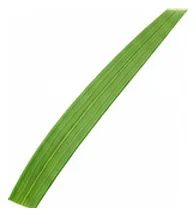
Garlic chives are clump-forming perennial alliums with flat, strap-like leaves, mild garlic flavour and rounded heads of fragrant white, star-shaped flowers. Unlike hollow-leaved chives, the foliage is solid and flattened, and established clumps commonly reach 30–50 cm when flowering. Leaves can be cut close to the base several times during active growth and will reshoot from the crown. The flowers are edible and strongly attractive to bees and other insects, but plants also set abundant seed and may become weedy if spent heads are left in place. Garlic chives tolerate heat, cold and brief drought once established, although the best leaf quality comes from fertile, evenly moist, well-drained soil. Plants may remain leafy in mild conditions or die back during cold weather before returning. They grow readily from seed, but division gives a faster harvest and preserves a selected broad-leaved or low-seeding form. A contained clump is long-lived, productive and useful both as an herb and as a late-flowering pollinator plant.
Use fertile, moisture-retentive but well-drained soil with abundant organic matter, at pH 6.0–8.0. Raised beds suit heavy or wet ground. Avoid burying the crown deeply.
Each flower is perfect, but pollen is normally shed before its own stigma becomes receptive, so bees and flies commonly transfer pollen between flowers. Pollination does not matter for the leaf harvest. For seed, grow several plants, allow insects access and isolate different Allium tuberosum selections if varietal purity matters.
No support is normally needed, although flower stems may lean in exposed sites. Cut leaves near the base for regrowth, remove yellow foliage and deadhead before seeds mature. Divide congested clumps.
Propagate from seed, offsets or division. Division is the quickest method and preserves the exact leaf width, flavour and flowering habit of the parent.
Use a container at least 25 cm wide and 15 cm deep for one clump, with good drainage. Divide when roots become congested.
Choose broad-leaved selections for heavy culinary harvests, fine-leaved forms for tender garnishes, compact forms for pots and low-seeding or sterile selections where unwanted seedlings are a concern.
Leaves develop ragged holes and young shoots may be eaten to the crown. Remove shelters, hand-pick and protect new growth with physical barriers.
Leaves show pale feeding marks, tunnels and distorted growth, sometimes with larvae or pupae near the base. Remove affected material, cover new growth with fine insect mesh and do not compost infested plants.
Plants yellow and collapse, with white fungal growth and tiny dark bodies around the base. Remove affected plants and soil, improve drainage and avoid replanting susceptible alliums in that area.
Pale patches and grey-purple growth develop during cool, wet conditions. Increase spacing, water at soil level and remove infected foliage.
The base softens and smells unpleasant in saturated soil. Improve drainage, expose the crown correctly and replant only firm, healthy divisions.
Grow during less humid conditions and provide excellent drainage and airflow. Deadhead promptly because warm conditions can favour continual seedling establishment.
Plants tolerate heat but give more tender leaves with steady moisture and some afternoon shade during extremes.
Full sun and regular dry-season irrigation produce strong clumps. Established plants tolerate brief dryness but leaf quality declines.
Plants grow vigorously, flower after a long leafy period and may die back before reshooting.
Use full sun and free-draining soil. Established crowns are hardy, but containers need protection from repeated hard freezing.
Provide deep irrigation and mulch around, but not over, the crown. Light afternoon shade can reduce leaf scorching.
Overall shape, height, branching and growth habit.
Leaf shape, edges, colour and vein pattern.
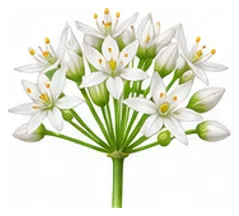
Flower colour, structure and where blooms appear.
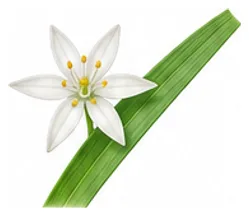
Fruit, root, seed, pod or the strongest identifying feature.
A quick garden-to-table guide for using Garlic Chives after harvest.
Finely slice young leaves into salads, dips and cold sauces. Separate the star-shaped flowers and use them as a stronger-flavoured garnish.
Add leaves late to dumpling fillings, egg dishes, soups or stir-fries so their mild garlic aroma remains distinct.
Freeze chopped leaves in water or in small sealed portions. Drying is possible but causes a substantial loss of fresh flavour.
Try: Dumpling filling, Garlic chive pancakes, Stir-fry, Omelette.
Create a free account to save your garden layout, personal planting calendar, water and fertiliser schedules, seed inventory and harvest logs.
Create Free Account