
Whole plant
Overall shape, height, branching and growth habit.
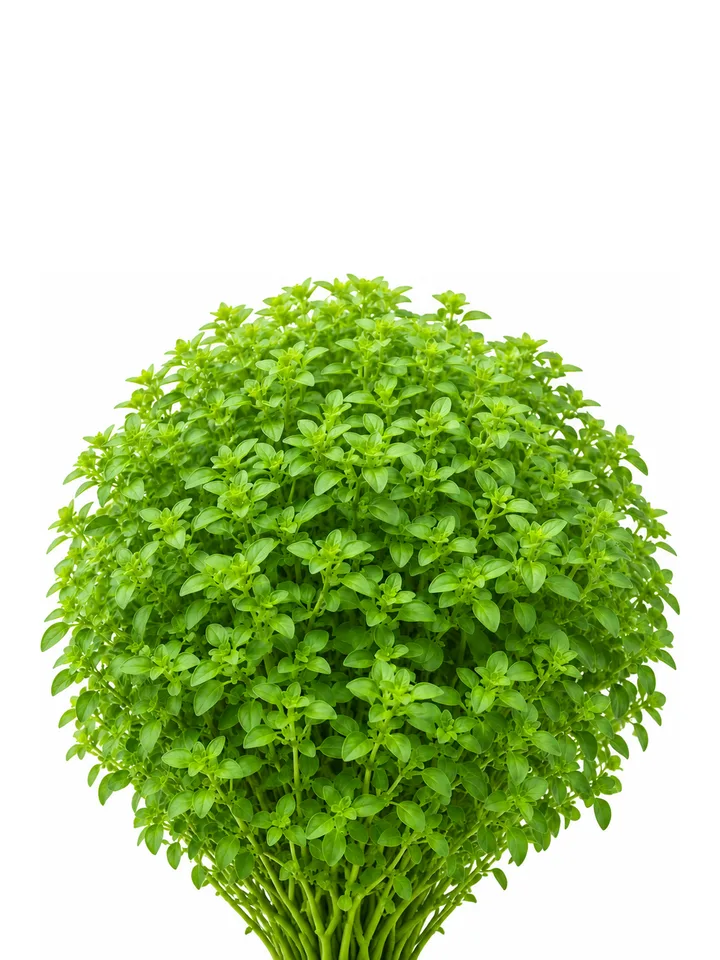
Ocimum basilicum var. minimum
Compact basil forming a neat, round dome of tiny, intensely aromatic leaves. Ideal for pots and edging.
When to sow, plant out and harvest in each climate. Plotera turns this into reminders for your own garden, location and planting dates.
| Climate | Sow | Transplant / Plant | Harvest |
|---|---|---|---|
| Tropical | Jan - Dec | Jan - Dec | Jan - Dec |
| Subtropical | Sep - Dec | Sep - Dec | Nov - Mar |
| Mediterranean | Sep - Nov | Sep - Nov | Nov - Feb |
| Temperate | Sep - Nov | Oct - Dec | Nov - Mar |
| Cool | Oct - Nov | Nov - Dec | Dec - Feb |
| Arid | Sep - Nov | Sep - Nov | Nov - Feb |
Greek basil is a compact form of sweet basil that naturally makes a neat, rounded mound of tiny, intensely aromatic green leaves. It is also called bush basil and is especially useful in pots, edging and small gardens where larger basil plants become sprawling. The leaves have a concentrated clove-like fragrance and can be harvested as whole shoot tips or small sprigs. Plants need warmth, full sun, well-drained soil and protection from frost. Regular picking encourages branching and helps preserve the dense globe shape. Flower spikes are small and usually white or pink; they provide nectar for bees, but flowering also makes stems woodier and reduces the supply of tender leaves. Pinch buds promptly when culinary production is the priority. Greek basil is an annual and is usually raised from seed, although non-flowering shoot cuttings root readily. Its naturally compact habit makes it a good indoor or patio plant, provided it receives strong light, warmth, drainage and careful watering.
Use rich but freely drained loam or potting mix with mature compost. Aim for pH 6.0–7.5. Raised beds and containers are useful where soil is cold, heavy or wet, but ordinary garden ground is suitable once it has warmed and drains well.
Greek basil has bisexual flowers that attract bees and other insects. Pollination does not matter for the leaf harvest. If saving seed, let selected flower spikes mature and separate different flowering basil varieties because insect cross-pollination can occur; sterile hybrids are exceptions and must be propagated vegetatively.
No staking is needed. Pinch growing tips and harvest just above leaf pairs to maintain the compact globe. Remove flower spikes as they appear unless flowers or seed are wanted.
Grow from seed in warmth. Soft, non-flowering tip cuttings root readily in water or moist propagation mix and are useful for copying a particularly compact plant.
A pot at least 20 cm wide and deep suits one compact plant; larger pots dry more slowly. Use drainage holes and a free-draining mix, and provide strong light.
Look for classic green dwarf globe selections with very small leaves, purple-leaved dwarf forms for ornamental colour, slow-bolting selections for longer harvests and disease-tolerant compact lines where downy mildew or Fusarium is common.
Small insects cluster beneath leaves, causing curling, pale growth or sticky residue. Wash them off, remove badly infested shoots and improve airflow.
Leaves show ragged holes, especially on young outdoor plants. Hand-pick pests, remove hiding places and raise pots away from damp ground.
Leaves yellow between the veins and develop grey-purple growth beneath. Remove infected plants, avoid wet foliage, ventilate protected spaces and choose resistant selections.
Plants yellow, wilt or develop brown roots and stem dieback. Use clean, well-drained mix, rotate planting sites and discard infected plants and nearby contaminated mix.
Leaves blacken or collapse after chilling or frost. Keep plants warm, move pots under cover before cold conditions and replace severely damaged annual plants.
Provide strong morning sun and airflow, with light afternoon shade in extreme heat. Humidity increases downy-mildew and root-rot risk.
Grow through warm frost-free conditions but shelter from intense afternoon heat and prolonged rain. Repeated sowings replace ageing plants.
Full sun, warmth and free drainage suit Greek basil well, but containers need regular irrigation through dry weather.
Treat as a warm-season annual, planting outside only after frost risk passes. Pots can be moved under cover as nights cool.
Use a greenhouse, sheltered container or bright indoor position. Start seed under warmth and protect plants whenever temperatures approach 5–10 °C.
Give afternoon protection where sun is severe, water before plants wilt and use a larger pot or mulch to slow moisture loss.
Overall shape, height, branching and growth habit.
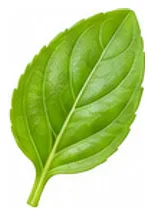
Leaf shape, edges, colour and vein pattern.
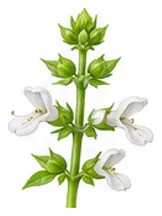
Flower colour, structure and where blooms appear.

Fruit, root, seed, pod or the strongest identifying feature.
A quick garden-to-table guide for using Greek Basil after harvest.
Scatter whole tiny leaves over salads, sandwiches and finished dishes, or chop them into fresh sauces. Their concentrated aroma means a small amount is often sufficient.
Add sprigs or leaves near the end of cooking because prolonged heat reduces their fragrance. They suit sauces, soups, baked dishes and warm garnishes.
Freeze whole or chopped leaves in small portions for the closest fresh flavour, or dry them completely and store airtight. Fresh basil in oil can support botulism toxin formation: refrigerate it immediately and use within 2–4 days, or freeze it; do not store it at room temperature.
Try: Whole leaves on pizza, Greek salad, Pesto, Herb oil.
Create a free account to save your garden layout, personal planting calendar, water and fertiliser schedules, seed inventory and harvest logs.
Create Free Account