
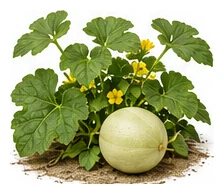
Whole plant
Overall shape, height, branching and growth habit.
Cucumis melo (Inodorus Group)
A smooth-skinned melon with pale sweet flesh. Needs a long warm season and dry ripening weather. Fruit is ready when the blossom end softens and the skin turns from green to creamy yellow.
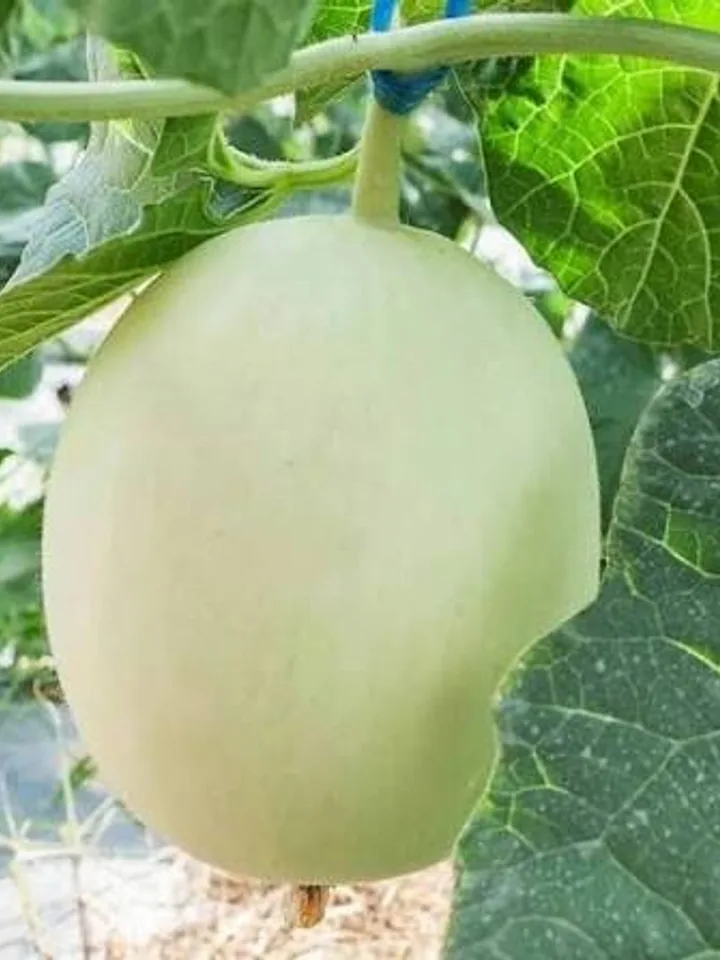
When to sow, plant out and harvest in each climate. Plotera turns this into reminders for your own garden, location and planting dates.
| Climate | Sow | Transplant / Plant | Harvest |
|---|---|---|---|
| Tropical | Mar - Aug | Mar - Aug | Jun - Nov |
| Subtropical | Sep - Dec | Sep - Dec | Dec - Apr |
| Mediterranean | Oct - Dec | Oct - Dec | Jan - Apr |
| Temperate | Sep - Oct | Oct - Nov | Jan - Apr |
| Cool | Sep - Oct | Nov - Dec | Feb - Apr |
| Arid | Sep - Nov | Sep - Nov | Dec - Apr |
Overall shape, height, branching and growth habit.
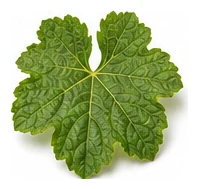
Leaf shape, edges, colour and vein pattern.
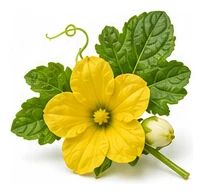
Flower colour, structure and where blooms appear.
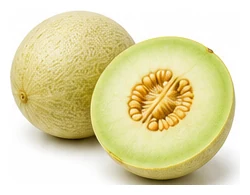
Fruit, root, seed, pod or the strongest identifying feature.
A quick garden-to-table guide for using Honeydew Melon after harvest.
Best eaten raw and cold — wedges, cubes in fruit salads, blended into drinks, or wrapped in cured meats.
Rarely cooked. Chilled soups and sorbets suit it far better than heat, which flattens the flavour.
Use fresh, freeze, dry, pickle, or preserve depending on the crop.
Ease off watering as the fruit approaches ripeness to concentrate the sugars. Rest developing melons on straw or a tile to keep the skin dry.
Create a free account to save your garden layout, personal planting calendar, water and fertiliser schedules, seed inventory and harvest logs.
Create Free Account