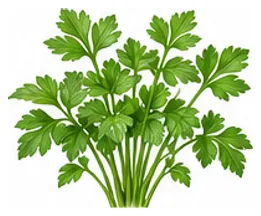
Whole plant
Overall shape, height, branching and growth habit.
Petroselinum crispum var. neapolitanum
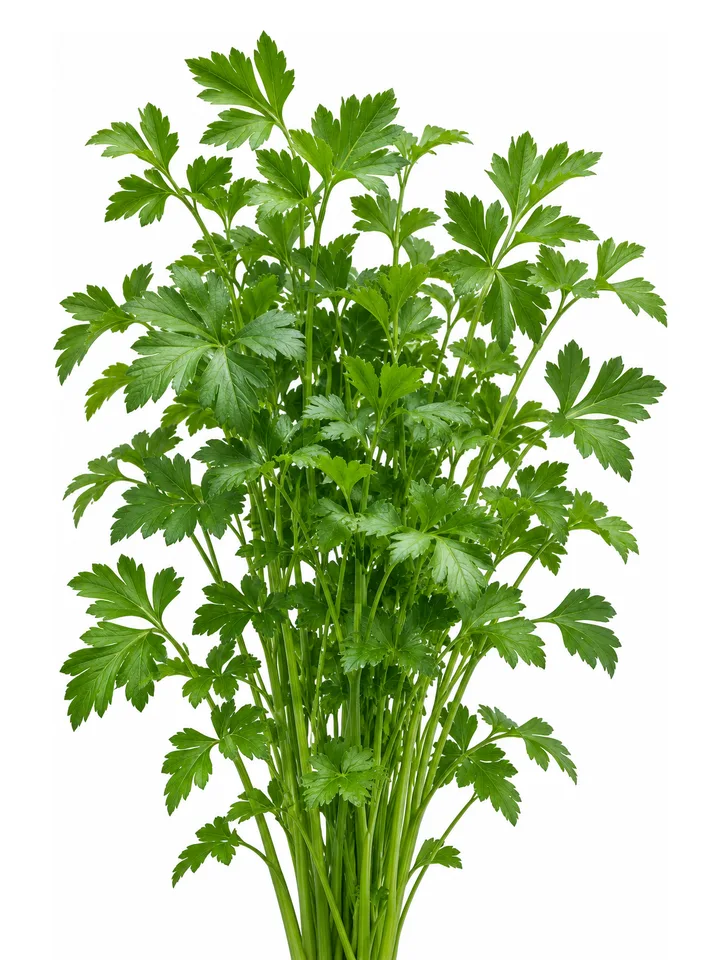
Parsley with flat, glossy, deeply divided dark green leaves and a stronger flavour than curly parsley. Tall and productive.
When to sow, plant out and harvest in each climate. Plotera turns this into reminders for your own garden, location and planting dates.
| Climate | Sow | Transplant / Plant | Harvest |
|---|---|---|---|
| Tropical | Apr - Aug | Apr - Aug | Jun - Oct |
| Subtropical | Mar - Aug | Mar - Aug | May - Oct |
| Mediterranean | Feb - Sep | Feb - Sep | Apr - Nov |
| Temperate | Feb - Sep | Feb - Sep | Apr - Nov |
| Cool | Feb - Aug | Feb - Aug | Apr - Oct |
| Arid | Mar - Aug | Mar - Aug | May - Oct |
Italian parsley is the flat-leaved form of Petroselinum crispum, with glossy, deeply divided foliage and a stronger, sweeter flavour than curly parsley. It is a hardy biennial: the first growing cycle produces the main leaf crop, while plants that experience winter conditions normally send up tall flower stalks, set seed and die during their second cycle. Gardeners usually treat it as an annual because leaves become coarser and less abundant once flowering starts. Plants form a substantial taproot, so sowing where they will grow or transplanting young plugs with minimal disturbance gives the best results. Germination can be slow and uneven, but established plants tolerate cool conditions and repeated picking. Harvest whole outer stalks from the base while leaving the centre to continue growing. Italian parsley prefers fertile, consistently moist, well-drained soil and grows in full sun or partial shade. Containers work well if they are deep enough for the root and are not allowed to dry out.
Grow in fertile, humus-rich, consistently moist but well-drained soil, preferably at pH 6.0–7.5. Loam is ideal, while raised beds help where drainage is poor. Avoid disturbing the taproot during transplanting.
The small flowers are borne in compound umbels and rely mainly on visiting insects to move pollen. Pollination does not affect the first-cycle leaf harvest. For seed saving, overwinter several plants, allow them to flower in their second cycle and isolate other parsley varieties because insect-borne pollen can cross them.
Leaf plants need no support. Remove complete outer stalks at their base rather than clipping only leaflets. Cut out flower stalks unless saving seed; tall seed stems may need a discreet stake in windy sites.
Propagate from seed. Direct sowing or individual plugs are preferable because the taproot dislikes disturbance. Cuttings and division are not practical.
Use a pot at least 25 cm wide and 20 cm deep for one strong plant or a small group of seedlings, with drainage holes and moisture-retentive potting mix.
Choose plain flat-leaved types for classic flavour, giant flat-leaf selections for tall productive stalks, compact dark-leaved forms for containers and slow-bolting selections for warm conditions.
Small brown or grey spots develop, often with dark margins, and leaves yellow. Remove affected foliage, improve spacing, water at soil level and avoid saving seed from diseased plants.
Colonies distort young leaves and leave sticky honeydew. Wash them away, remove badly curled stalks and protect beneficial insects.
Pale winding or blotchy mines appear within leaves. Remove mined leaves before larvae mature and use fine insect mesh over young plants where attacks recur.
Larvae damage roots, causing reddish foliage, poor growth or wilting. Cover plants with fine insect mesh, avoid damaging roots and remove badly affected plants.
Stalk bases soften and plants collapse in saturated or crowded conditions. Improve drainage and airflow, reduce watering and remove infected material.
Grow during the coolest, least humid conditions in partial shade. Heat and humidity shorten leaf quality and increase leaf disease.
Use the cool growing season and provide afternoon shade as temperatures rise. Successive sowings replace plants that bolt or decline.
Sow for growth through mild, moist conditions and irrigate consistently when weather becomes dry.
Parsley can produce leaves across a long season and often overwinters before flowering in its second cycle.
Use full sun and sheltered soil. Growth is slow in cold conditions but established plants tolerate frost better than heat.
Provide afternoon shade, mulch and consistent deep watering. Drying causes tough leaves and premature flowering.
Overall shape, height, branching and growth habit.
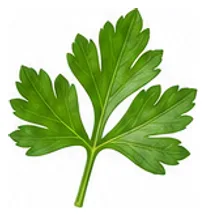
Leaf shape, edges, colour and vein pattern.
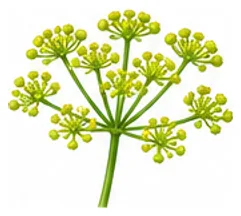
Flower colour, structure and where blooms appear.
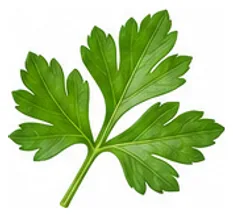
Fruit, root, seed, pod or the strongest identifying feature.
A quick garden-to-table guide for using Italian Parsley after harvest.
Chop leaves and tender stalks into salads, cold sauces and garnishes. Flat leaves have a robust flavour, so small quantities are often sufficient.
Add stalks during cooking for depth, then stir chopped leaves in near the end to keep their fresh aroma and colour.
Freeze chopped leaves in water or dry them rapidly in shade. Frozen leaves retain more fresh character than dried leaves.
Try: Gremolata, Chimichurri, Salsa verde, Tabbouleh.
Create a free account to save your garden layout, personal planting calendar, water and fertiliser schedules, seed inventory and harvest logs.
Create Free Account