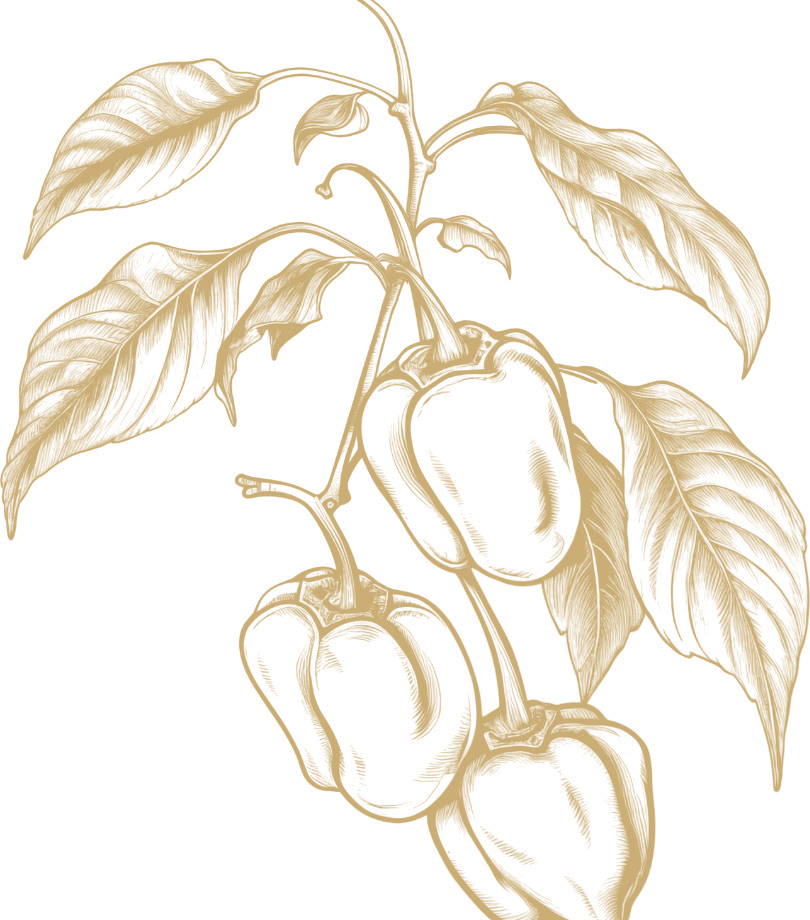

Whole plant
Overall shape, height, branching and growth habit.
Solanum tuberosum
Potato with long, knobbly, finger-shaped tubers with yellow skin and waxy, nutty flesh. Holds its shape when boiled or roasted.

Contains solanine. Cut away green patches and sprouts, and discard tubers that are widely green.
When to sow, plant out and harvest in each climate. Plotera turns this into reminders for your own garden, location and planting dates.
| Climate | Sow | Transplant / Plant | Harvest |
|---|---|---|---|
| Tropical | Apr - Aug | Apr - Aug | Jul - Nov |
| Subtropical | Mar - Jul | Mar - Jul | Jun - Oct |
| Mediterranean | Feb - Jun | Feb - Jun | May - Sep |
| Temperate | Feb - Jun | Feb - Jun | May - Sep |
| Cool | Feb - May | Feb - May | May - Aug |
| Arid | Mar - Jun | Mar - Jun | Jun - Sep |
Kipfler is a mid-season fingerling potato with elongated, often knobbly tubers, pale yellow-brown skin and yellow, waxy flesh. Its firm texture holds together during cooking, making it particularly useful for boiling, roasting and dishes where intact slices are wanted. The plant is grown clonally from certified seed tubers rather than botanical seed, so each healthy seed piece reproduces the named variety. Kipfler has only moderate yield compared with some bulk-cropping potatoes, but its distinctive shape, flavour and cooking quality make it worthwhile in a home garden. Loose, well-drained soil helps the tubers develop without severe distortion. As stems grow, mound soil or compost around them so newly forming tubers remain completely dark. Light exposure turns tubers green and can raise harmful glycoalkaloid levels; extensively green, bitter or badly sprouted tubers should not be eaten. Harvest small new tubers earlier if wanted, or wait for the tops to die back and skins to set for a mature crop suitable for storage.
Grow in loose, well-drained sandy loam with compost for organic matter. Potatoes tolerate pH 5.0-6.5, with 5.5-6.5 a practical range; strongly alkaline soil can favour scab. Avoid waterlogged beds and uncomposted organic material. Raised beds and deep containers make hilling easier.
Pollination does not matter for the tuber harvest. Flowers may form, but Kipfler is maintained true to type by replanting healthy seed tubers, not botanical seed. True seed produces genetically variable offspring, while garden-saved tubers can accumulate disease, so use certified disease-free planting stock.
No staking or pruning is normally needed. Hill soil or compost around the stems several times, building a ridge about 20-30 cm high while leaving the upper foliage exposed.
Propagate from certified disease-free seed tubers. Small tubers can be planted whole; larger ones may be cut into clean pieces with at least one eye and allowed to dry and seal before planting. Botanical seed is unsuitable for preserving Kipfler exactly.
Use one seed tuber per 30 cm of container diameter in an opaque, well-drained container at least 30 cm wide and deep. In a larger container, keep the same one-tuber-per-30-cm-diameter spacing; early types are better suited to pots than long-season maincrops.
Choose certified, true-to-type Kipfler seed stock with elongated yellow-fleshed tubers. Select smaller whole seed tubers where possible; there are no well-established colour strains that should replace the characteristic pale-skinned yellow fingerling form.
Leaves develop rapidly spreading dark, water-soaked lesions and tubers may rot. Keep foliage dry, provide airflow, remove infected tops promptly and do not store affected tubers.
Rough corky patches form on tuber skins. Use clean seed, rotate the bed, avoid fresh manure and strongly alkaline soil, and maintain moisture during early tuber development.
Striped adults and reddish larvae skeletonise foliage. Inspect leaves, hand-pick beetles and crush orange egg clusters before populations build.
Tubers develop tunnels and feeding holes. Rotate beds, remove weeds and old plant debris, harvest promptly and avoid leaving mature tubers in persistently wet soil.
Exposed tubers turn green after receiving light. Hill thoroughly, keep harvested potatoes dark and do not eat extensively green or bitter tubers.
Grow in the coolest available season or at cooler elevation, using excellent drainage. Hot, saturated soil reduces tuber quality and increases rot.
Use the cool, relatively dry growing window while avoiding frost-prone sites. Early Kipfler suits a shorter cool season better than late maincrop types.
Grow through mild conditions and irrigate consistently as tubers form. Harvest before prolonged hot, dry soil hardens around the crop.
Plant when soil has warmed enough for growth and protect emerging shoots from late frost by hilling.
Chitting can provide an early start, and the early maturity of Kipfler is useful. Protect shoots from frost and use the sunniest well-drained bed.
Loose soil, thick ridges and deep regular irrigation are essential. Avoid water swings that produce misshapen or hollow tubers.
Overall shape, height, branching and growth habit.

Leaf shape, edges, colour and vein pattern.

Flower colour, structure and where blooms appear.

Fruit, root, seed, pod or the strongest identifying feature.
A quick garden-to-table guide for using Kipfler Potato after harvest.
Do not use green, bitter or heavily sprouted tubers. Kipfler is normally eaten cooked rather than raw.
Boil, steam or roast whole or in thick slices; the firm yellow flesh holds its shape well.
Cure mature, undamaged tubers and store them unwashed in a dark, cool, humid and well-ventilated place. For canning, follow a tested pressure-canning method.
Try: Potato salad, Roasted whole, Smashed with herbs, Warm salad.
Create a free account to save your garden layout, personal planting calendar, water and fertiliser schedules, seed inventory and harvest logs.
Create Free Account