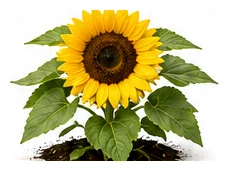
Whole plant
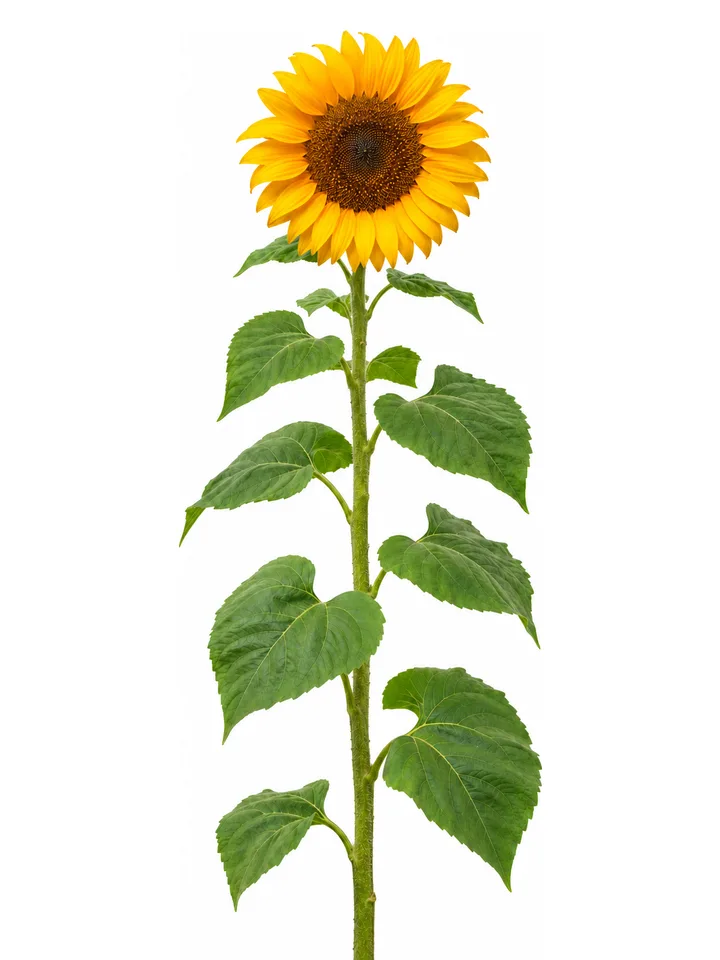
Overall shape, height, branching and growth habit.
Helianthus annuus
Bold, fast-growing annual flower with edible seeds. Pollen-producing types attract bees and other pollinators, and ripe seed heads feed birds.
When to sow, plant out and harvest in each climate. Plotera turns this into reminders for your own garden, location and planting dates.
| Climate | Sow | Transplant / Plant | Harvest |
|---|---|---|---|
| Tropical | Jan - Dec | Jan - Dec | Jan - Dec |
| Subtropical | Aug - Dec | Aug - Dec | Oct - Mar |
| Mediterranean | Sep - Nov | Sep - Nov | Nov - Feb |
| Temperate | Oct - Dec | Oct - Dec | Dec - Mar |
| Cool | Oct - Dec | Oct - Dec | Dec - Mar |
| Arid | Sep - Nov | Sep - Nov | Nov - Feb |
Sunflower is a fast-growing annual grown for bold flowers, edible seeds and the wildlife it attracts. The familiar flower head contains many tiny flowers, which open and develop seeds over time. Varieties range from compact plants for containers to towering plants that need shelter and support. Single-stem types make one main flower, while branching types provide a succession of smaller flowers. Choose large-seeded types if your main aim is a snack harvest, or pollen-producing types to support visiting insects. Pollenless flowers are useful for cutting but need pollen from another sunflower to produce seeds. Plants grow best through a warm, sunny, frost-free season. Leave some mature heads for birds, or harvest them when the backs turn yellow and the seeds are filled. Seedlings need protection from hungry wildlife.
Use well-drained loam, sandy soil or clay that does not remain saturated. Incorporate compost before planting, particularly when growing for seed. Ground or raised beds suit tall types; choose a sunny position with enough rooting space.
The central disc florets normally contain male and female parts; the showy outer ray florets do not produce the seed harvest. Bees and other insects transfer pollen. Do not rely on an isolated plant for a full seed head: grow several pollen-producing plants together. Pollenless varieties can set seed when insects bring pollen from another variety. Different varieties can cross, so saved seed may produce different plants.
Stake tall or heavy-headed plants with sturdy supports and soft ties. Leave single-stem seed varieties unpinched. Pinching suitable branching types encourages side shoots and more, smaller flowers.
Grow Helianthus annuus from seed each season. Direct sowing avoids disturbing the taproot; if starting under cover, transplant young plants carefully with their rootballs intact.
Choose dwarf varieties for containers and use a substantial, stable pot with drainage holes. Giant varieties are better in the ground; container size must match the variety's mature size.
Look for large-seeded types for eating, branching types for prolonged flowering, dwarf types for pots and early types for short growing seasons. Choose pollen-producing flowers for seed production and pollinator value.
Seedlings develop ragged holes or disappear overnight. Inspect after dark, remove the animals and protect young plants with a ventilated physical barrier.
Seeds are dug up, seedlings vanish or ripening heads are stripped. Protect sowings with a physical barrier and cover selected heads with breathable material as seeds mature.
White powder appears on leaves. Grow in full sun, avoid crowding and remove badly affected foliage.
Plants wilt and develop brown, decaying tissue near the stem base. Remove affected plants, improve drainage and avoid repeatedly planting in the affected soil.
Use a sunny planting window with good drainage, and protect developing heads from prolonged wet conditions.
Grow during a warm, frost-free period; provide airflow where humidity encourages leaf diseases.
Establish plants while soil moisture is available, then irrigate during flowering and seed filling.
Sow after the last frost and allow enough warm growing time for seeds to mature.
Choose early-flowering varieties and a warm, sheltered site. Carefully raised transplants can help make use of a short season.
Water deeply during establishment and seed formation, and shelter tall plants from strong drying winds.
Overall shape, height, branching and growth habit.
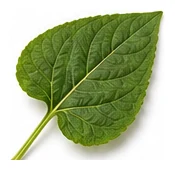
Leaf shape, edges, colour and vein pattern.
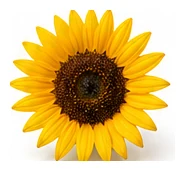
Flower colour, structure and where blooms appear.
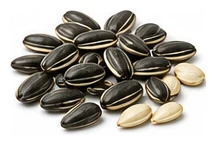
Fruit, root, seed, pod or the strongest identifying feature.
A quick garden-to-table guide for using Sunflower after harvest.
Shell fully mature seeds and eat the kernels raw. Use only seeds grown for food, never chemically treated sowing seed.
Roast mature kernels for snacks or add them to bread and other baked foods.
Dry harvested heads in a protected, well-ventilated place before removing and storing the seeds. Keep only sound, thoroughly dry seeds.
Try: Roasted seeds, Raw kernel snack, Bread and baking topping.
Create a free account to save your garden layout, personal planting calendar, water and fertiliser schedules, seed inventory and harvest logs.
Create Free Account